
This caught my attention because AGDQ continues to be where the speedrunning metagame and community spectacle collide: charity fundraising at scale, experimental tech on stage, and runs that reshape leaderboards within hours. AGDQ 2026 didn’t just entertain – it handed runners a fresh roadmap of glitches, category innovations, and relay strategies you can apply in your next practice session.
Table of Contents (5)
Awesome Games Done Quick 2026: Top 15 Highlight Speedruns for Speedrunning Enthusiasts to Replay and Practice Now
- Event impact: AGDQ 2026 raised $2,443,414 for the Prevent Cancer Foundation and continued GDQ’s long-running charitable streak.
- Meta-moving runs: Peripheral swaps, massive relays, and newly optimized glitches dominated – runs that changed routing or showed practical new tech.
- Replay value: VODs and post-run tech talks are available – prime material for replication, timing practice, and route study.
- Practice focus: Prioritize the top 5 runs for immediate WR hunts; use the rest for niche grind routes and trick toolbox expansion.
{{INFO_TABLE_START}}
Publisher|Games Done Quick / Prevent Cancer Foundation
Release Date|January 4-11, 2026
Category|Charity speedrunning marathon / showcase
Platform|Live event (Wyndham Grand Pittsburgh) — VODs on Twitch & YouTube
{{INFO_TABLE_END}}
AGDQ 2026 delivered over 150 runs across retro and modern titles. A few runs stole the show — the 70-player Super Mario 64 relay, a Guitar Hero-controller Resident Evil 2 Remix, a speedy Hollow Knight: Silksong preview, a sub-5-minute Chrono Trigger tease, and a packed Mario Kart Free Roam block. For runners, these weren’t just spectacles: each run included replicable tech, new routing ideas, or category-defining experiments.
Why this list matters: I ranked the top 15 runs for practical replay value — not by hype alone — using viewer engagement, novelty of technique, and how useful the run is for players chasing personal bests or world records on active leaderboards. The runs below are your concentrated source material for immediate practice sessions.
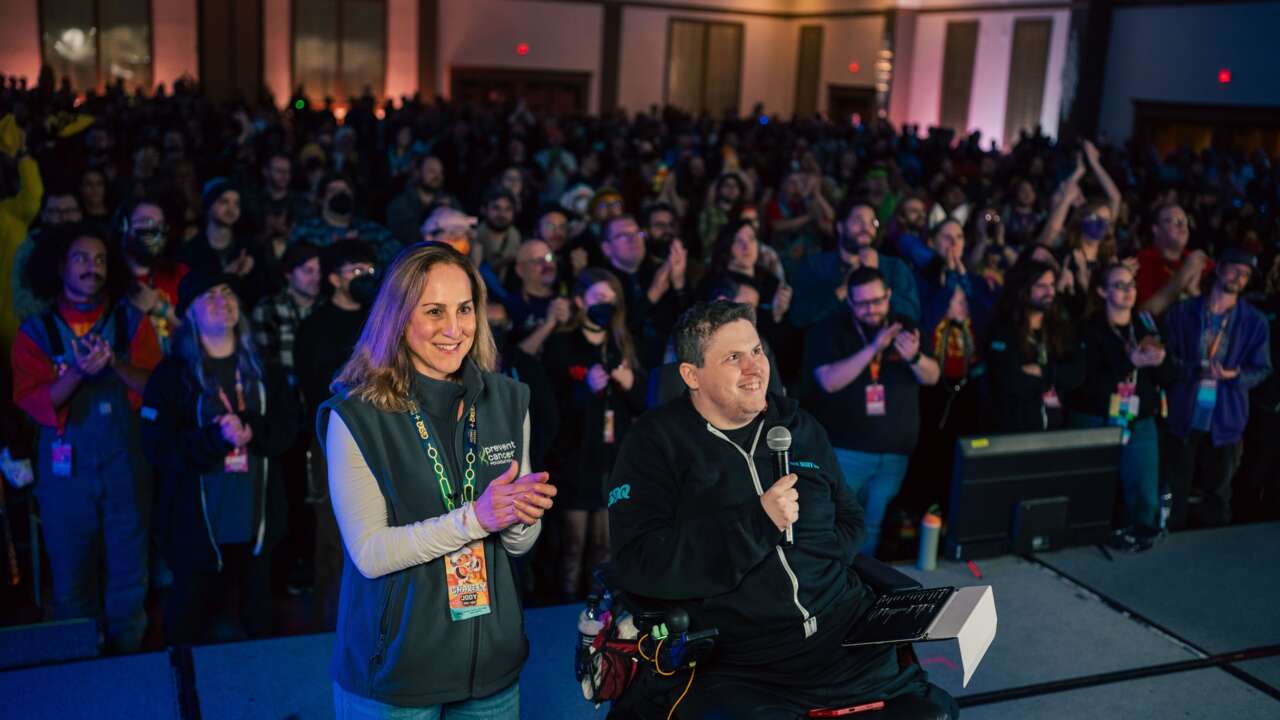
What stood out (and how to use it)
1) Peripheral swaps are back in focus. The Resident Evil 2 run that used a Guitar Hero controller for precise inputs is an example of stage-driven innovation that actually translates: test peripherals in practice to see if timing windows or button layouts net real gains on your setup.
2) Massive relays (Super Mario 64, Mario Kart Free Roam) teach baton mechanics and single-segment optimization. You can’t replicate a 70-person handoff solo, but you can steal segmented tricks — buffer windows, pause manipulation, and route handoffs — to improve your solo consistency.
3) Tech talks and post-run breakdowns are gold. Around 80% of AGDQ runs included developer-style run-throughs of the key glitches. Those sessions are where the actual frame counts and RNG windows live — watch those immediately and script segment practice in LiveSplit.
Practical training plan (for the next 30 days)
- Week 1 — Study VODs and tech talks for runs #1-#5 (they’re highest impact). Break runs into segments and note consistent glitch windows.
- Week 2 — Implement segmented practice in LiveSplit. Focus on muscle-memory tricks from platformers (frame-perfect jumps, buffer cancels).
- Week 3 — Test peripheral swaps and emulator inputs if the run used unusual controllers. Measure actual time gains before committing.
- Week 4 — Join the game’s Discord/leaderboard community, run WR routes in weekly races, and refine routing for NG+ or patched versions.
Some caveats: spectacle doesn’t always equal solo value. Cosplay-heavy blocks or relay engineering are crowd-focused and sometimes inflate perceived difficulty or replicability. Also, patches released around AGDQ sometimes recontextualize a trick (making it faster, safer, or invalid). Always crosscheck speedrun.com leaderboards and patch notes before accepting a strategy as permanent.
What this means for the speedrunning scene
AGDQ 2026 reinforced two trends I care about: (1) speedrunning continues to be a laboratory for human-controller interaction (peripheral and emulator experiments), and (2) community spectacle remains the fastest way to push routing and glitch discovery into the public meta. For competitive runners that means faster adoption cycles for new tech but also more volatility as patches and stage conditions get folded into WRs.
If you’re serious about taking advantage of AGDQ content: watch the runs, rewatch the tech talks, segment the route in LiveSplit, and test tricks on the latest patched version of the game. Start with the most transferable runs — the ones that changed routing or introduced new, repeatable glitches — then widen to specialty runs for niche toolbox gains.
TL;DR
AGDQ 2026 raised $2.44M and delivered dozens of practice-ready runs. Rewatch the top 15 highlighted runs for replicable glitches, relay mechanics, and peripheral experiments. Focus your practice on the top five for the fastest leaderboard impact, but mine the rest for tech and consistency tricks that give steady time savings.
Key insight: AGDQ remains where spectacle meets metagame — treat the VODs as research papers, not just entertainment.
FinalBoss // Gear
Level up your setup
01Top-rated gaming headsetson Amazon→02High-refresh gaming monitorson Amazon→03Gaming chairson Amazon→04Discounted game keyson Kinguin→Affiliate links · As an Amazon Associate, FinalBoss earns from qualifying purchases.