
Table of Contents (7)
Stop mashing skip: Baby Steps just weaponized cutscenes
This caught my attention because Bennett Foddy has a talent for turning simple inputs into existential crises. QWOP made walking Olympic-level hard. Getting Over It punished impatience with a hammer and a cauldron. Baby Steps-Foddy’s leg-by-leg slog starring Nate-now points that meta-lens at storytelling itself: if you skip cutscenes, the game fights back with escalating mini-challenges and, if you commit to skipping everything, a secret “punishment” ending that’s a 28-minute, podcast-style conversation. It’s equal parts troll, design thesis, and very on-brand.
Key takeaways
- Baby Steps turns the “skip cutscene” button into a mini-game that gets tougher each time you try.
- Skip every narrative beat and you unlock a secret ending: a ~28-minute, talky finale between Nate and Moose.
- It’s classic Foddy-friction by design—pushing players to actually engage with the story (or embrace the bit).
- Smart meta-commentary, but it raises fair questions about respecting player time and accessibility.
Breaking down the anti-skip mechanic
Here’s the gist: after your first attempt to fast-forward a scene, Baby Steps doesn’t just let you breeze past the writing. It injects a tiny reflex challenge before the skip goes through, and the difficulty ramps up the more you try to bypass the narrative. It’s not about punishing you for the sake of it; it’s Foddy applying his favorite ingredient—friction—to a different part of the experience. In a game where you already micromanage Nate’s left and right legs to clamber up mud-slick hills, the “friction” theme tracks.
Push the bit to the extreme—skip absolutely everything—and Baby Steps pays it off with a secret final sequence: roughly 28 minutes of Nate and Moose chatting. Think loose, podcast energy rather than a bombastic cutscene. It’s wry and self-aware, poking at a modern habit we’re all guilty of: treating cutscenes like loading screens to be minimized. As a long-time Devolver fan, this feels exactly like the kind of meta-joke the label loves to publish—snarky, but with a point.
Why this matters now
We’re in an era where game stories have never been better—and never longer. From Alan Wake 2’s TV episodes to Yakuza’s novel-length drama to Kojima’s famously indulgent finales, the spectrum runs from sublime to bloated. The community response is predictable: half of us watch everything; the other half smash the skip button on principle. Baby Steps doesn’t say “you must watch,” but it does reframe the choice: skipping becomes a mini-challenge of its own, with an endgame reward that doubles as a gentle roast.
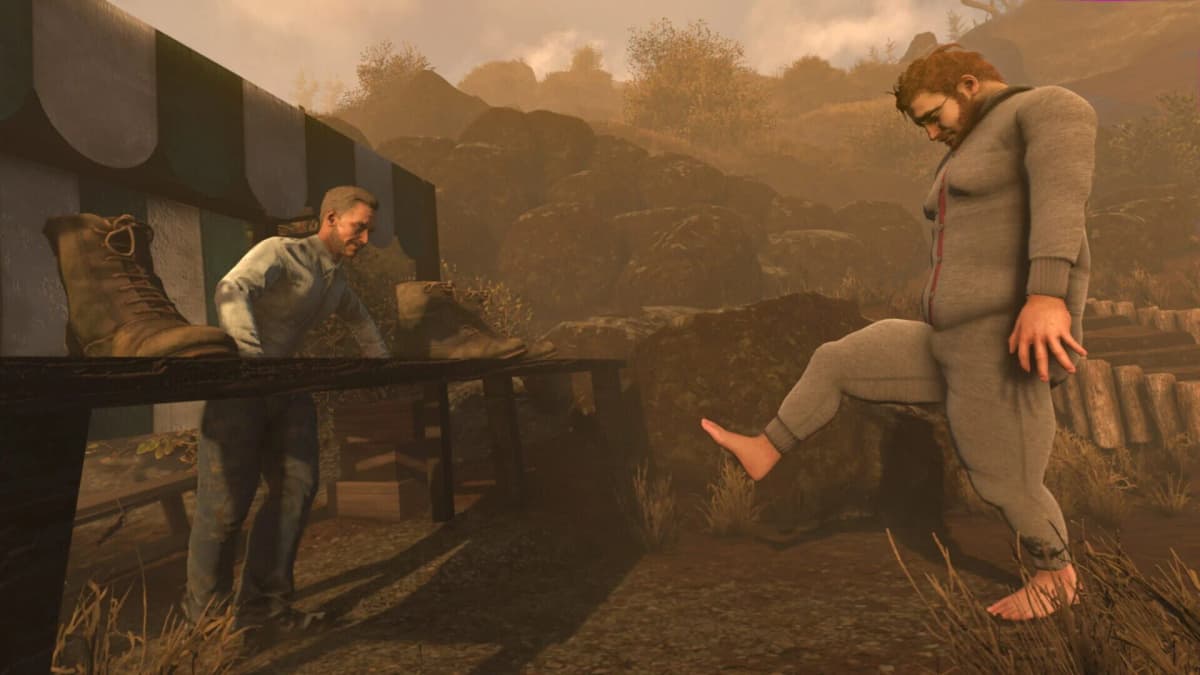
Seen in the context of Foddy’s oeuvre, this isn’t a gimmick; it’s a continuation. His games are about intentionality—about making you consider every input. Here, that philosophy extends to narrative. Do you want to watch the scene? Cool, sink in. Do you want to skip? That’s also a valid path, but you’re acknowledging it as a deliberate, slightly harder mode with a unique payoff. It’s like The Stanley Parable’s “ignore the narrator” routes crossed with QWOP’s “earn your forward motion.”
The gamer’s perspective: clever, funny… and a little spicy
As a player who sometimes skips on repeat runs, I love the audacity. Turning fast-forward into content is chef’s kiss design—especially in a physics-wobble adventure where stumbling is the point. That said, a 28-minute “punishment” will rub some folks the wrong way. If you’re time-poor or replaying after a crash, extra hoops before a skip can feel like busywork. There’s also an accessibility angle: if someone needs to avoid certain scenes for sensory or personal reasons, adding friction isn’t ideal. A perfect-world solution would let you disable the skip-challenge while still keeping the secret ending route for those who want it.
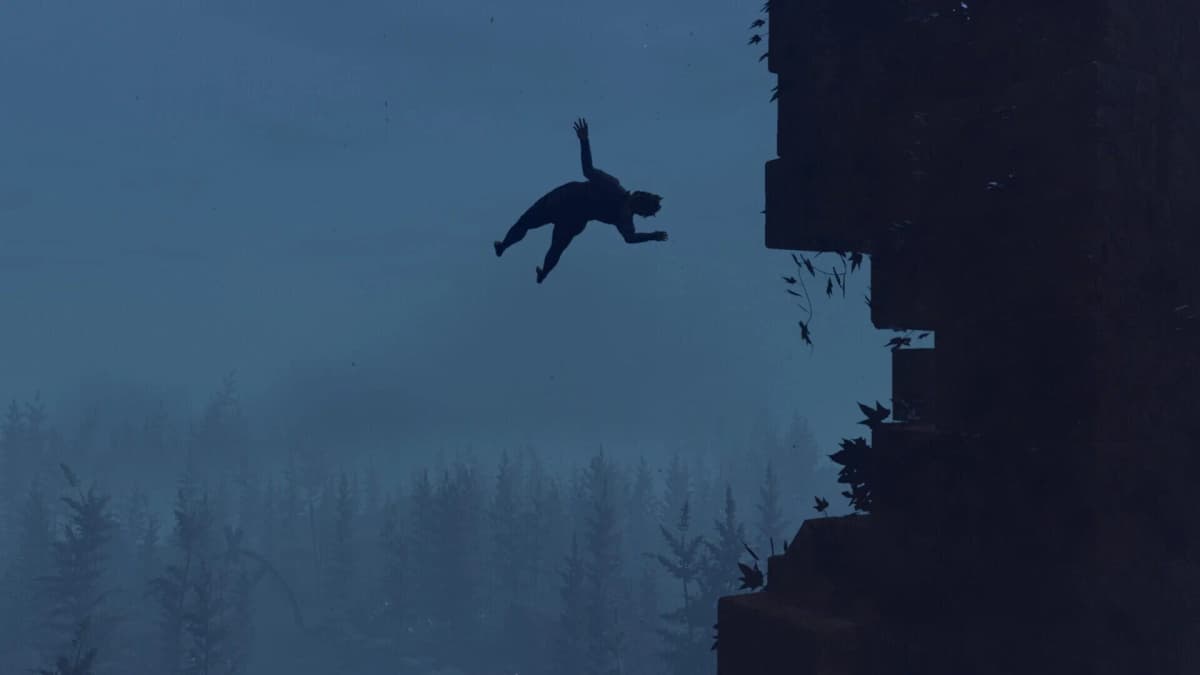
On the flip side, this has speedrun and streaming potential all over it. Expect an “All Skips%” category where runners optimize the skip mini-games and then vibe through the full Moose-and-Nate closer as the timer ticks. It fits Baby Steps’ pace: downtime, banter, and a climactic stumble across the finish line—just not the one you expected.
How it fits Baby Steps’ identity
Baby Steps is already a commitment to doing things the hard way. You control each leg of Nate independently, wrestling with terrain, momentum, and gravity like a drunk tightrope act in hiking boots. The slow burn is the joke, the challenge, and the catharsis. Making the narrative “cost” something if you’re rushing aligns perfectly with that ethos. It’s not punitive so much as consistent: the game asks for your attention, and if you won’t give it, you take a different, thornier path that still delivers a punchline.
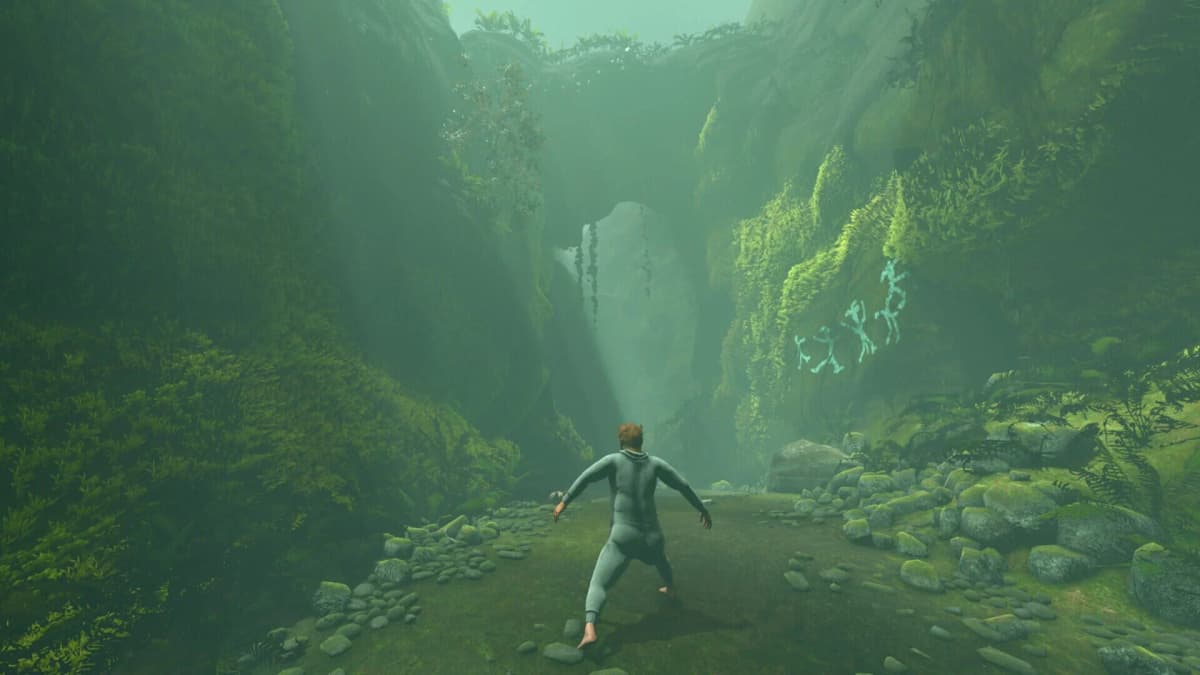
It also pushes back against the idea that cutscenes are dead weight. If devs want players to stop skipping, the answer isn’t just “make them shorter.” It’s to make them meaningful—or, in this case, to make the act of skipping meaningful. That’s a design move more studios should consider, even if they don’t go full 28-minute therapist couch at the end.
TL;DR
Baby Steps turns skipping cutscenes into a mini-game that escalates and culminates in a secret, 28-minute podcast-style finale if you skip everything. It’s sharp, funny, and very Foddy—smart commentary on how we play games now, with just enough spice to spark debates about time, choice, and accessibility.
FinalBoss // Gear
Level up your setup
01Top-rated gaming headsetson Amazon→02High-refresh gaming monitorson Amazon→03Gaming chairson Amazon→04Discounted game keyson Kinguin→Affiliate links · As an Amazon Associate, FinalBoss earns from qualifying purchases.
Want to Level Up Your Gaming?
Get access to exclusive strategies, hidden tips, and pro-level insights that we don't share publicly.
Ultimate Gaming Strategy Guide + Weekly Pro Tips