
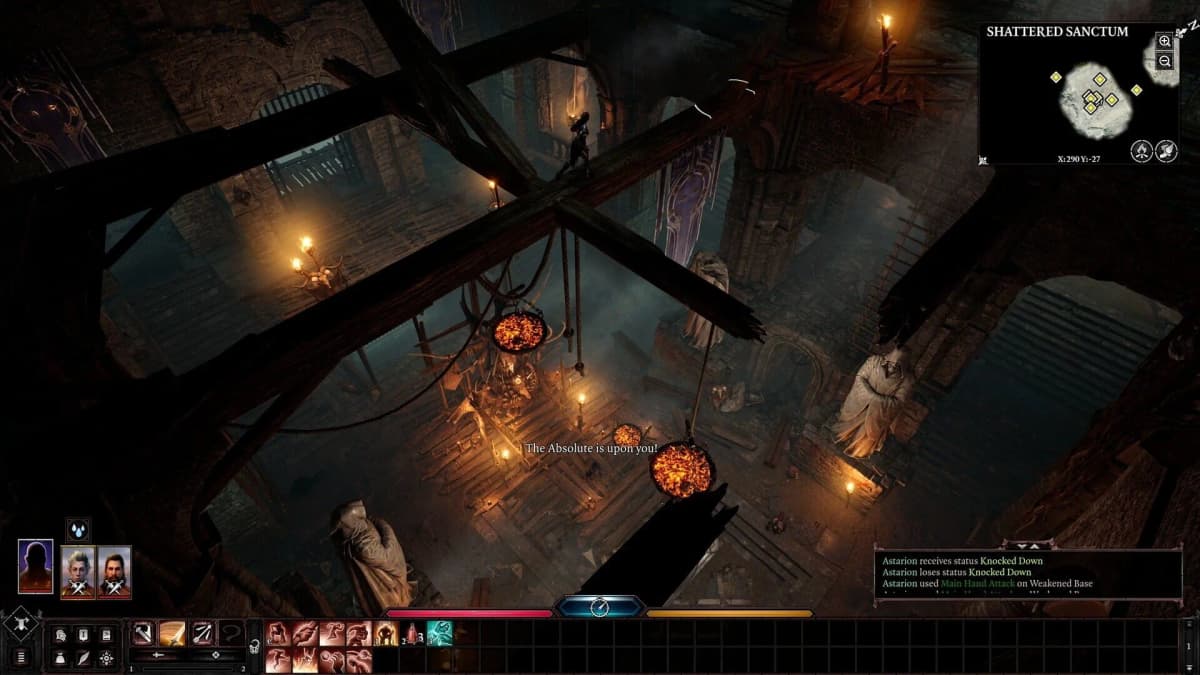
A companion system has two separate jobs. It has to make party members feel like people with values, limits, and interests of their own. It can also offer romance. RPGs routinely treat those jobs as inseparable, and that is where the design problem begins.
My position is simple: romanceable companions do not automatically make an RPG better. They improve an RPG when romance changes trust, choices, group dynamics, or the cost of failure. When it amounts to a carefully signposted flirt option followed by a private scene, it is content coverage dressed up as intimacy.
Baldur’s Gate III is the clearest modern test case because its romances sit inside a larger relationship machine. Approval affects responses. Camp scenes move personal arcs forward. Dialogue can establish trust or close off intimacy. Party banter and companion quests make relationships feel present beyond one isolated romance route. The romance matters because the companion mattered first.
Table of Contents (5)
Baldur’s Gate III Gets the Order of Operations Right
The useful part of Baldur’s Gate III is not that it lets the player pursue companions. Plenty of RPGs have copied that basic structure for years. The useful part is that its companion writing creates a record of behavior before romance becomes plausible. Approval is not merely a visible number to grind upward. It frames how a companion interprets the player’s decisions, moral posture, and treatment of other people.
That distinction has consequences. A player who repeatedly acts against a companion’s values is not entitled to the same emotional access as a player who earns trust. A player who neglects camp conversations loses context that gives later scenes their weight. A player who treats every dialogue exchange as a route toward a reward is likely to see a thinner version of the character than someone who accepts disagreement, distance, and failed intimacy as valid outcomes.
That is relationship design. It asks the player to inhabit a role and then lets companions react to that role. The romance branch works because it grows from the same material: belief, loyalty, fear, guilt, survival, and the practical question of whether these people can rely on each other under pressure. The kiss is never the interesting part. The changed relationship around it is.
Origin companion content also gives this material a stronger narrative container. These characters arrive with histories, motives, and conflicts that exist whether the player romances them or not. Their personal stakes do not begin when the player selects the correct dialogue line. That is a vital standard. A companion should not become a character only after the protagonist decides they are attractive.
The Checkbox Version of Romance Is Barely Roleplay
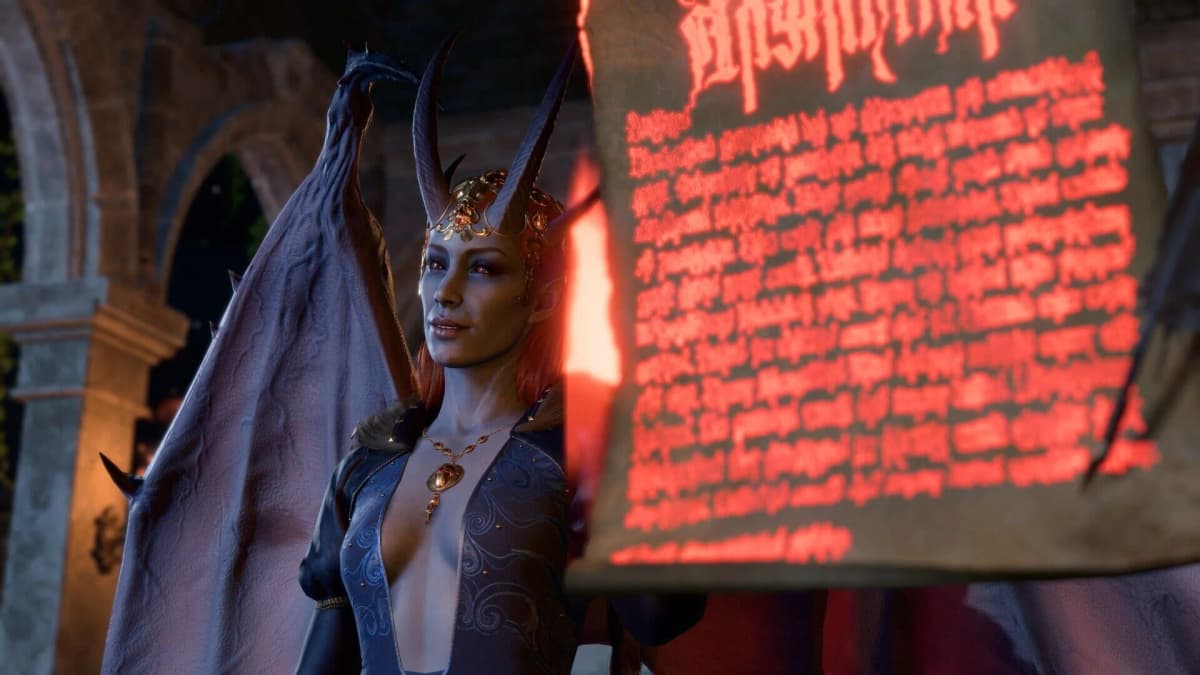
The bad version of RPG romance follows a sterile loop: gain approval, choose the obvious flirt response, trigger the scene, collect the relationship label. The party continues exactly as before. The companion’s quest proceeds unchanged. The game rarely tests the relationship, rarely lets it complicate the player’s plans, and rarely allows the character to have a meaningful boundary.
That model mistakes availability for depth. It assumes every companion needs to be accessible because romance itself is perceived as a premium feature, a mandatory line item on the RPG checklist. The result is a dating menu with fantasy combat attached. It may satisfy completionists, but it weakens the fiction. Characters start behaving like routes rather than people.
This is where the old BioWare-style expectation has calcified into a genre habit. Players have been trained to scan a party roster for romance options, calculate eligibility, and treat affection as a second progression track. Developers then feel pressure to provide a broad menu of compatible companions, even when a friendship, rivalry, professional partnership, or ideological conflict would serve the character better.
There is nothing inherently wrong with wanting romantic choice in an RPG. Romance can be one of the most effective ways to define a player character. A relationship can sharpen a hero’s priorities, expose hypocrisy, and turn an abstract quest decision into a personal one. The problem begins when every meaningful companion arc is expected to end at the same destination.
| Relationship model | What makes it meaningful | What makes it feel fake |
|---|---|---|
| Romance | It changes trust, dialogue, personal stakes, and the consequences of major choices. | It exists only to unlock affection scenes after enough correct selections. |
| Friendship | It gives the companion a complete arc built on loyalty, respect, and shared hardship. | It functions as a consolation prize with less writing than the romance route. |
| Rivalry | It allows conflict, ideological pressure, and earned respect without forced reconciliation. | It reduces disagreement to a temporary obstacle before the companion becomes compliant. |
| Faction bond | It tests whether the player can respect a companion’s duties, loyalties, and commitments. | It treats the companion’s allegiance as background decoration with no practical effect. |
Friendship Requires the Same Writing Budget as Romance
The strongest corrective is not removing romance from RPGs. It is refusing to make romance the only relationship type that receives emotional resolution. Friendship needs conclusions. Rivalry needs escalation. Faction loyalty needs real friction. A companion who sees the protagonist as a trusted ally rather than a potential partner should still receive the same care, vulnerability, and narrative payoff.
This matters for player agency. Some players want romance as a major part of roleplay. Others want deeply written bonds without being pushed toward intimacy. A complete companion system must support both without implying that romance is the “successful” route and friendship is the reduced-content route.
It also matters for representation. Broad romantic availability can create space for more players to see their character’s desires reflected in the game. That is valuable. But inclusive design does not require every character to be universally compatible under every circumstance. Queer representation, player choice, and believable character boundaries can coexist. They should coexist. A companion with clear preferences or a firm refusal is not a failure of inclusion when the wider cast offers meaningful, well-written possibilities.
Uniform availability can even damage representation when it turns identity into a frictionless service function. A character becomes less specific when every part of their emotional life has been engineered to accommodate the player. Good RPG writing leaves room for incompatibility. Some relationships should remain platonic. Some should sour. Some should carry tension without becoming sexual. Some should end because the player chose badly.
Romance Has to Alter the Game, Not Merely Decorate It
Baldur’s Gate III demonstrates the correct principle: romance has value when it is integrated with the systems already making companions compelling. Approval, camp conversations, personal quests, dialogue reactivity, and party dynamics provide the foundation. Romance can then add another lens to the character rather than replacing the character with a relationship status.
That is why the best romantic routes reveal something difficult. They can expose a companion’s insecurity, deepen a conflict between desire and duty, or make a later choice hurt more because the player understands what is at risk. A route that never risks rejection, never complicates a decision, and never changes how the party functions has no dramatic purpose. It is an unlockable cutscene package.
The practical standard is severe and useful. Remove the romance option in theory. If the companion becomes flat, then the game failed to write a companion and wrote a dating route instead. If the relationship remains compelling as friendship, rivalry, or shared allegiance, romance has a strong foundation from which to add intimacy and stakes.
- The companion remains interesting without a romantic branch.
- Romance reveals character information rather than merely unlocking scenes.
- Player behavior can build trust, damage it, or end the relationship.
- The party acknowledges the relationship through dialogue, tension, loyalty, or changed context.
- Friendship and non-romantic routes receive complete emotional writing.
- Characters retain preferences, boundaries, and the ability to refuse the player.
The Genre Needs Fewer Romance Checkboxes and Better Companions
RPGs do not need every companion to be romanceable. They need companions whose presence changes the player’s understanding of the world, whose approval has moral meaning, and whose arcs can end in trust, betrayal, loyalty, estrangement, or love. Baldur’s Gate III succeeds because its romances are attached to that larger structure, not because romance exists as a feature.
Developers should stop asking whether a party roster has enough romance options. The relevant test is whether pursuing a relationship changes choices, pacing, character stakes, or group dynamics. If it does, romance is functioning as narrative design. If it does not, the genre can keep the flirt button and lose nothing of value.
FinalBoss // Gear
Level up your setup
01Top-rated gaming headsetson Amazon→02High-refresh gaming monitorson Amazon→03Gaming chairson Amazon→04Discounted game keyson Kinguin→Affiliate links · As an Amazon Associate, FinalBoss earns from qualifying purchases.
Want to Level Up Your Gaming?
Get access to exclusive strategies, hidden tips, and pro-level insights that we don't share publicly.
Ultimate Gaming Strategy Guide + Weekly Pro Tips