
How Baldur’s Gate III Gave Her Control When Life Felt Uncertain
When a sudden abdominal blood clot threw her world into chaos, one gamer discovered that Baldur’s Gate III offered far more than escape. Larian Studios’ epic RPG became a lifeline—providing structure, emotional release, and a renewed sense of agency when real life felt completely unpredictable.
Key Takeaways
- Role-playing games can carve out a predictable space for processing fear and making meaningful choices.
- Dungeons & Dragons–style mechanics teach players to weigh risks, rehearse tough decisions, and accept setbacks.
- Well-developed companions can reflect personal struggles and inspire new coping strategies.
- Reframing difficult moments—like calling recovery days “Bloodless days”—can strengthen resilience.
Finding Control Through Clear Choices
Baldur’s Gate III launched in early access in 2020 and reached full release in August 2023. Built on the Dungeons & Dragons 5th Edition ruleset, it offers deep character creation, branching moral dilemmas, environmental puzzles, and turn-based combat. For someone navigating an unpredictable medical crisis, these design elements provided a stark contrast to the randomness of hospital visits.
In interviews published on WeArePlayStation and JeuxVideo.com, she described how each follow-up scan felt like a roll of the dice. In-game, however, every decision—from sparing a captive devil to defusing a tense negotiation—yielded instant, transparent feedback. That direct link between choice and consequence gave her a sense of control she desperately needed.
Facing Fear One Saving Throw at a Time
Battling Illithids and Mind Flayers might sound purely fantastical, but to her, each critical saving throw echoed the tension of medical uncertainty. She recalls her heart pounding when a dice roll failed, then soaring with relief when a perfectly timed Fireball or Last-second Heal turned the tide.
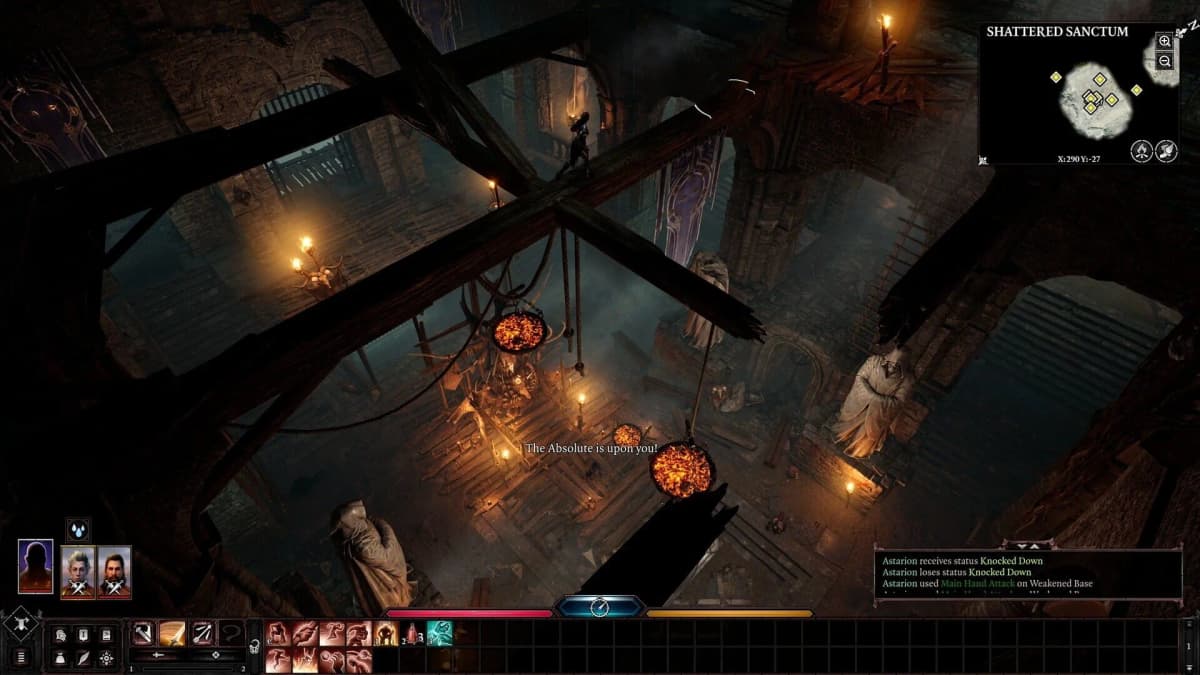
By deliberately embracing high-stakes encounters—casting spells at point-blank range or shielding allies under fire—she taught her mind to view danger as a challenge to overcome, not a threat to paralyze. Every narrow escape in Faerûn bolstered her confidence for follow-up scans and painful treatments.
When a miscast spell once wiped out half her party, she laughed, reloaded, and tried a new tactic. Translating that same willingness to “reload” into her recovery meant forgiving herself after health relapses and focusing on the next step instead of dwelling on past mistakes.
Companions as Unexpected Mentors
Larian’s richly drawn companions—like the steadfast Githyanki warrior Lae’zel and the conflicted vampire rogue Astarion—became emotional anchors. Lae’zel’s unshakeable resolve reminded her to stay strong through IV drips and therapy sessions. Astarion’s candid reflections on pain and survival mirrored her own inner battle.

Inspired by his blunt honesty, she began calling her toughest rehabilitation days “Bloodless days.” Framing hardship as a badge of endurance allowed her to reclaim her narrative: she would be defined not by illness, but by her perseverance.
Building Real-World Resilience
Psychologists note that structured escapism—immersing in clear-rule environments without judgment—can strengthen coping mechanisms. Baldur’s Gate III’s tactical battles, branching storylines, and moral quandaries delivered exactly that. Planning two or three moves ahead in combat felt surprisingly akin to mapping out treatment options and anticipating setbacks.
By sharing her journey on Baldur’s Gate forums, she picked up tips on spell synergies and story strategies—and found a community that later welcomed her into support groups for clotting disorders. In both worlds, she learned one enduring truth: adversity is easier to face when you’re not alone.
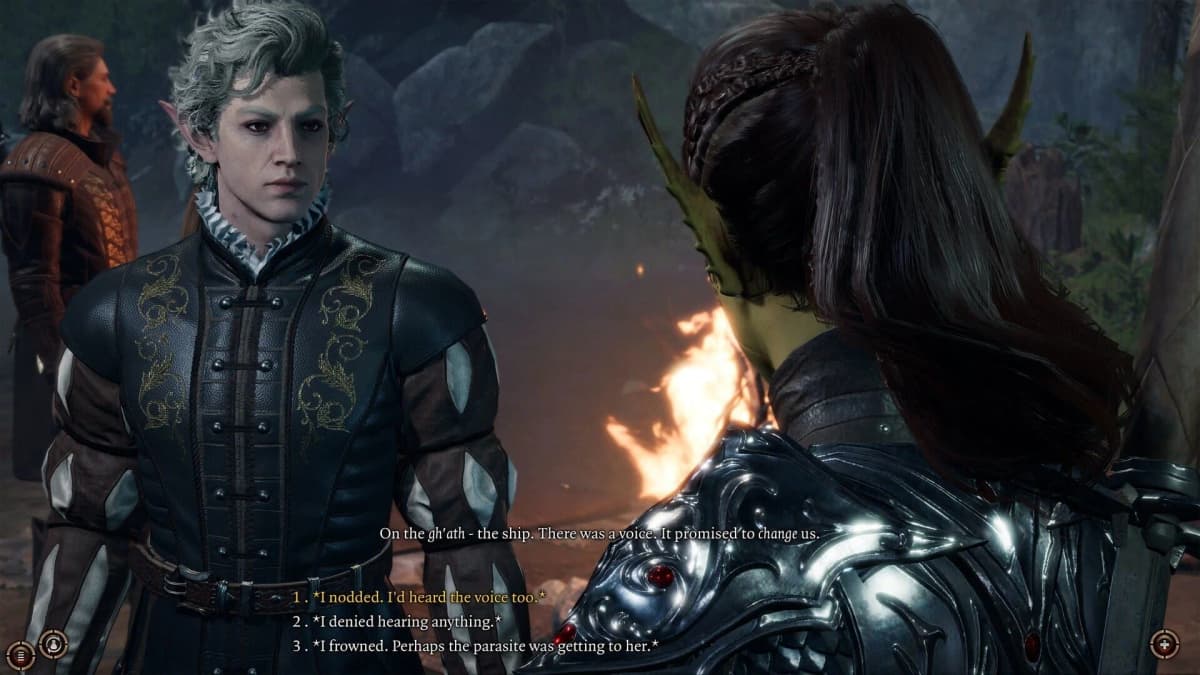
Over time, the self-assurance she gained adventuring in Faerûn spilled into everyday life. She began advocating for precise medication adjustments, setting boundaries with friends, and making proactive health choices—all with the same clarity she once applied to commanding her party in Baldur’s Gate III.
TL;DR
When a blood clot threatened her life, one Baldur’s Gate III fan didn’t just find distraction—she discovered a way to reclaim control. Through transparent choices, tactical combat, and empathetic companions, she coined “Bloodless days” and built the resilience to face real-world challenges head on.