
Why Hollywood Keeps Overlooking Game Actors—and Why It Matters
Game intel
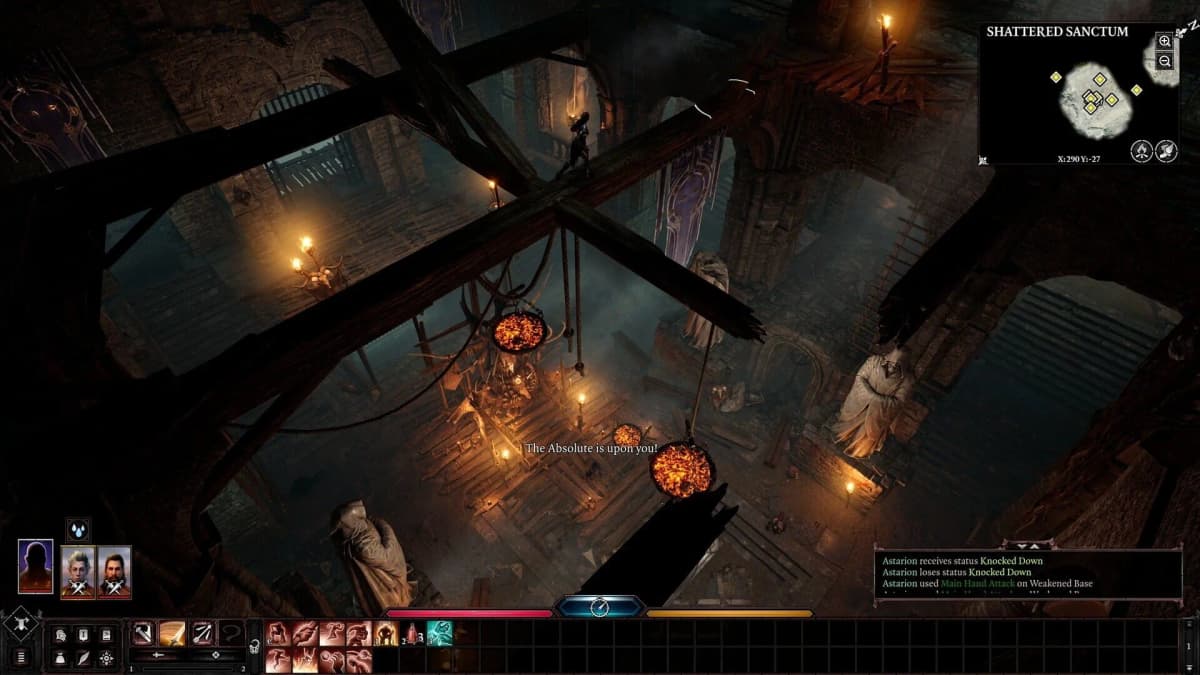
Baldur’s Gate III
An ancient evil has returned to Baldur's Gate, intent on devouring it from the inside out. The fate of Faerun lies in your hands. Alone, you may resist. But to…
Introduction: A Gamers’ Cry for Recognition
As a lifelong gamer, I’ve witnessed voice and performance capture evolve from hidden, dusty credits to headline panels at major conventions. So when Baldur’s Gate 3 performance director and actor Aliona Baranova called out Hollywood for sidelining game actors, it struck a personal chord. This debate isn’t just about casting—it’s about respecting the talent that breathes life into the characters we love.
The Power of Game Performance
Today’s AAA games blend stunning visuals, interactive storytelling, sound design, and nuanced performances. Characters like Shadowheart in Baldur’s Gate 3 or Aloy in Horizon Zero Dawn resonate because actors deliver motion capture, voice work, and facial acting in seamless, emotionally charged performances.
At FanX Tampa Bay Comic Convention in August 2025, Baranova declared, “We’re more than microphones—we’re physical storytellers.” The audience erupted in applause. Her words summed up a truth too long ignored: modern game production demands as much skill and training as any blockbuster film.
Unpacking Motion Capture
Motion capture (mocap) sessions aren’t quick reads—they can last hours on empty stages. Actors don sensor suits, hit precise marks, and imagine entire worlds with no co-stars or props. Every twitch, smirk, and tear is recorded by head-mounted cameras, then mapped onto digital characters. Skip the actors who lived hundreds of in-game hours with their roles and you lose the subtlety that makes those characters unforgettable.
Debunking Misconceptions
There’s a persistent myth that game actors are “just voices.” That harks back to earlier days when lines were stilted and credits were brief. Now, budgets rival Hollywood films and mocap studios resemble movie sets. Yet studios often default to casting big-name movie or TV stars, betting on star power to lure casual audiences.
Baranova summed it up: “Imagine recasting Darth Vader’s voice just for a big name—stripping James Earl Jones from the role. It sounds absurd because his performance defined the character. Game actors deserve that respect.”
Real-World Wins: When Original Actors Made an Impact
- Ashley Johnson – After voicing Ellie in The Last of Us games, Johnson appeared in HBO’s adaptation. Her deep understanding of Ellie’s emotional journey won critical praise and fueled social media buzz.
- Troy Baker – Known for Joel in The Last of Us and Booker DeWitt in Bioshock Infinite, Baker’s cameo in the HBO series delighted fans and proved game actors can shine on major streaming platforms.
- Ashly Burch – The fierce voice of Aloy in Horizon Zero Dawn set a benchmark for authentic performance, even though she hasn’t yet stepped into a live-action role.
- Nolan North – The longtime voice of Nathan Drake in Uncharted became a fan hero. Yet for the film adaptation, studios cast Mark Wahlberg, sparking petitions demanding North’s inclusion and highlighting what was lost in translation.
The Financial Stakes and Fan Backlash
The global video game industry now tops $150 billion in annual revenue, with over 2 billion players worldwide. Yet when adaptations roll out, studios still prize Hollywood names over the actors who built these stories.

Netflix’s The Witcher drew criticism when Doug Cockle, Geralt’s original voice, was absent from the series. Online debates and mixed reviews remind executives that neglecting core talent can cost more than budget savings.
Want to Level Up Your Gaming?
Get access to exclusive strategies, hidden tips, and pro-level insights that we don't share publicly.
Ultimate Gaming Strategy Guide + Weekly Pro Tips
Signs of Progress
Encouragingly, some recent adaptations have begun to include game actors in cameo or recurring roles. Ashley Johnson’s expanded part in The Last of Us and Troy Baker’s appearance illustrate a shift. Casting directors now cite “authenticity as a marketing tool,” blending established stars with familiar game talent to appease both casual viewers and devoted fans.
Bridging Two Star Systems
Baranova’s call to action reflects a broader shift: interactive storytelling is among the most influential arts today. Video games out-earn many blockbuster films and inspire fervent communities. Giving game actors their deserved recognition isn’t a gimmick—it’s sound storytelling and smart business.
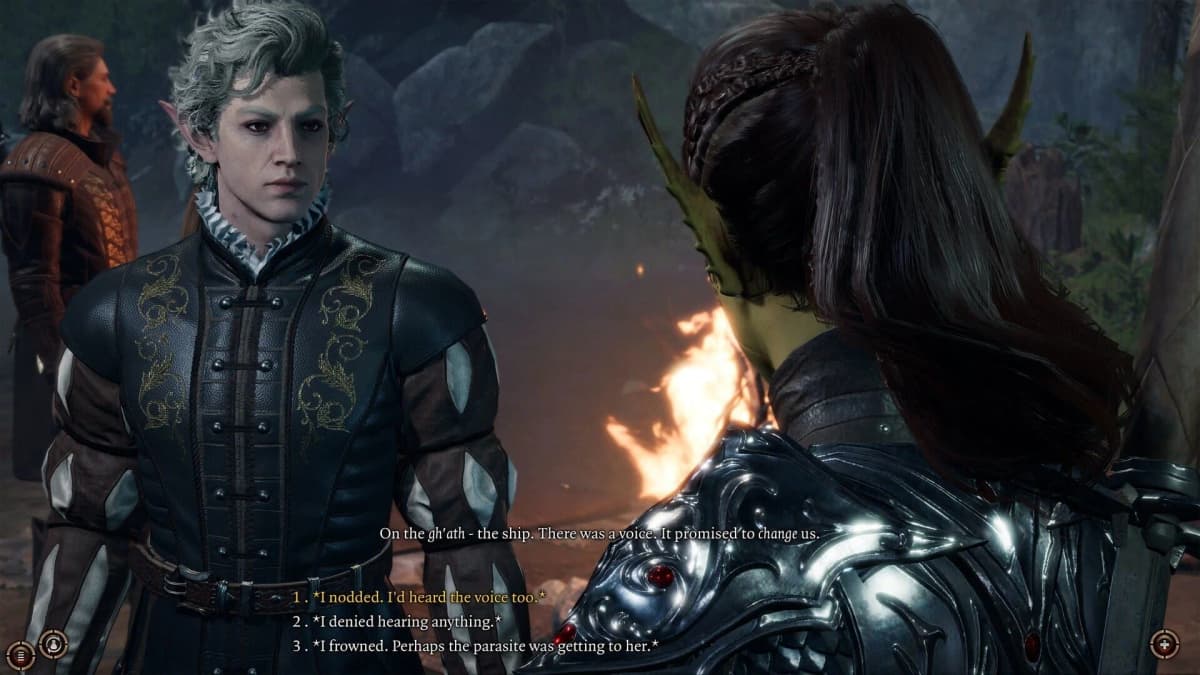
By honoring original performers, studios reward devoted fanbases, unlock richer creative potential, and deliver performances that can’t be faked in post-production ADR. It’s time Hollywood embraces the storytellers who first brought these worlds to life.
Conclusion: Trust the Voices that Built the Worlds
If Hollywood truly values these immersive worlds, it must also trust the actors who built them. We gamers already have heroes on digital battlefields and virtual campfires. All we’re asking is to see them shine on the silver screen, too. After all, great stories deserve their original storytellers.