

Baldur’s Gate 3’s Hotfix 34 Delivers a Native Steam Deck Port — Here’s the Real Win
Game intel
Baldur's Gate 3
An ancient evil has returned to Baldur's Gate, intent on devouring it from the inside out. The fate of Faerun lies in your hands. Alone, you may resist. But to…
The Steam Deck Leap That Actually Matters
This caught my attention because Larian didn’t have to do this. Two years post-launch, Baldur’s Gate 3 already ran great on Steam Deck via Proton. But Hotfix #34 brings a native Steam Deck port – reportedly built largely by a single engineer – alongside broader stability gains on PC and consoles. That’s a rare move in 2025, when most studios are perfectly happy letting Proton carry the water. So what’s the real benefit, and where’s the caveat?
- Native Deck build trims CPU and memory use, promising steadier FPS and longer battery life.
- Faster load times and fewer hitches should help in Act 3’s heavier city scenes.
- PC and console players get stability fixes – not flashy, but the stuff that prevents save-nightmares.
- One-dev heroics are cool; long-term maintenance will be the real test.
Breaking Down Hotfix #34
Larian’s notes call out reduced CPU and memory consumption on Steam Deck, more stable frame pacing, and quicker loading. If you’ve played BG3 on Deck, you know the game’s already shockingly playable there — especially since Valve’s shader pre-caching and Proton updates smoothed things out months after launch. The native port goes a step further: less translation overhead, tighter integration with SteamOS, and better alignment with Mesa drivers. In plain English, that means fewer spikes when the AI is juggling turns, fewer traversal stutters as you cross dense hubs, and more consistent frame delivery when chaos erupts.
On the broader platform front, Hotfix #34 reads like “quality of life for your save file.” Stability on PC and consoles isn’t sexy in bullet points, but it’s what keeps 100-hour campaigns from imploding. Larian’s patch cadence has been relentless since 2023; this continues that pattern in the best way.
Native vs. Proton: Why This Isn’t Just a Checkbox
Proton is excellent — sometimes indistinguishable from native for big-budget games. But there are real-world reasons a native Deck build can matter:
- Battery life: Trimming CPU cycles isn’t just about FPS. Less overhead means your Deck fan spins less and your session lasts longer.
- Frame pacing: BG3’s toughest moments aren’t raw GPU-bound; they’re CPU scheduling and I/O spikes. Native builds can coordinate better with SteamOS for smoother delivery.
- Suspend/Resume reliability: Deck-native processes tend to play nicer with system power states — huge for handheld RPGs you pick up and drop throughout the day.
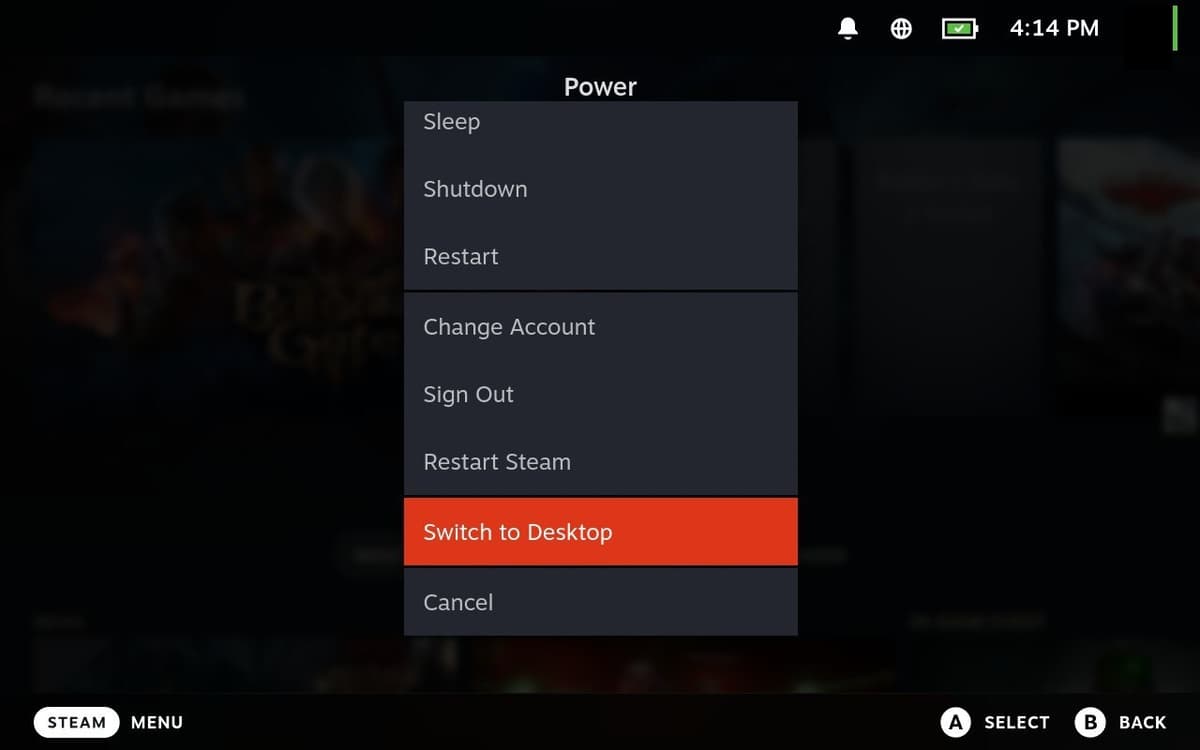
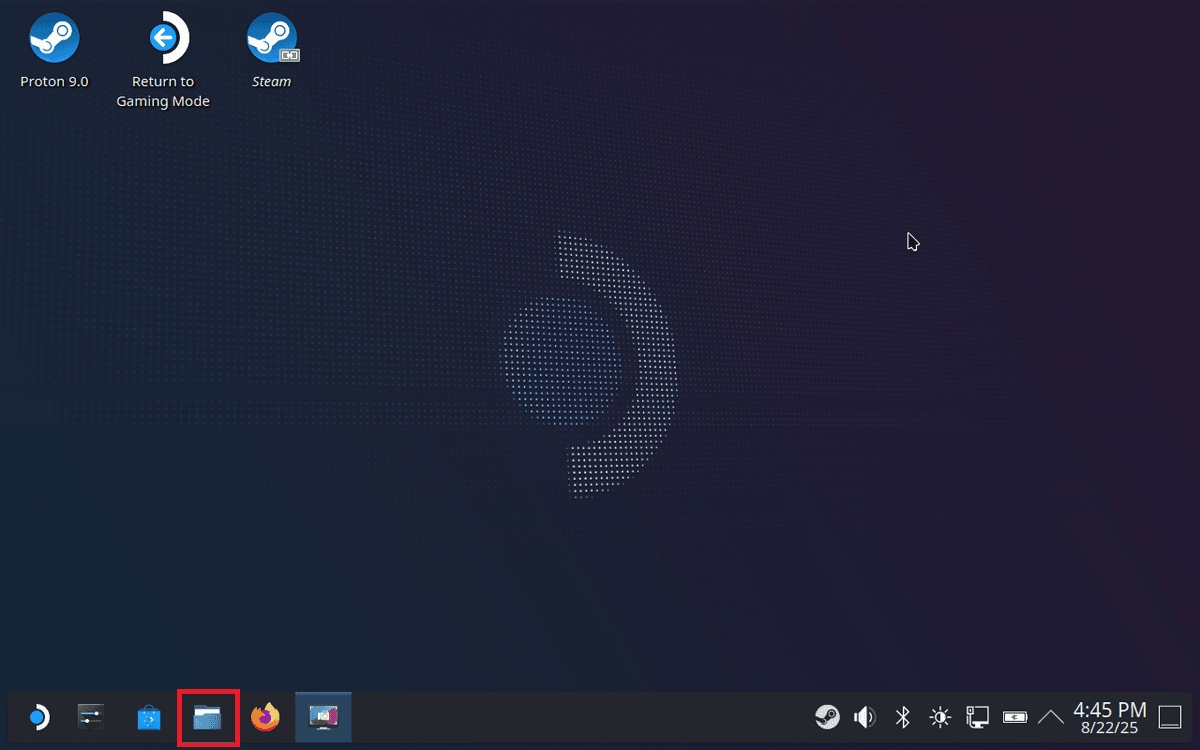
Now the caveat. Native Linux performance hinges on driver state and engine-level optimizations. In a few games, Proton still wins due to battle-tested paths. If you’re the tinkering type, it’s worth flipping the “Force compatibility tool” option to compare native vs. Proton on your own Deck. My bet: the native path will be the new default for most players, especially in crowded areas where CPU spikes used to tank pacing.
Level Up Your Setup
- → Graphics cards on Amazon
- → Gaming laptops on Amazon
- → High-refresh gaming monitors on Amazon
- → Gaming mice on Amazon
As an Amazon Associate, FinalBoss earns from qualifying purchases.
How It Actually Plays on Deck Right Now
Baldur’s Gate 3 on Deck has always been about smart targets, not brute force. The sweet spot remains a stable 30-40 FPS with sensible settings (FSR on Quality or Balanced, shadows a notch down, crowd density sane). The promise with Hotfix #34 is fewer dips when you pan the camera across the Lower City or pull aggro on larger mobs. Faster loads help too — those mini breaks between zones and reloads from failed checks add up during a long session.
Deck OLED owners should feel the benefits more. The 40 Hz mode thrives on consistent frame pacing; tighten those spikes and the perceived smoothness jumps. Combine that with the OLED’s deeper blacks in night scenes and you’ve got a handheld RPG experience that frankly shouldn’t be possible on a 15W APU.
The “One Engineer” Story — Cool, But Let’s Be Real
Larian says the native port was largely the work of one engineer. That rules, and it tracks with the studio’s history of empowered teams. Still, hero narratives can hide the boring truth: maintenance is where ports live or die. SteamOS updates, Mesa regressions, and Vulkan quirk fixes will keep coming. The optimistic read is that Larian wouldn’t ship native unless they were ready to support it — and their post-launch track record backs that up.
Why This Move Matters Beyond BG3
We’re at an interesting moment where many devs treat “Proton Verified” as the finish line for Deck support. Larian choosing to go native this late signals something else: the Deck is a platform worth bespoke work. That nudges other studios to consider native paths for big RPGs and live-service titles where power budgets and frame pacing are constant pain points. Even if most won’t follow, BG3 just raised the bar for “best-in-class Deck experience.”
TL;DR
Hotfix #34 gives Baldur’s Gate 3 a native Steam Deck build that trims overhead and steadies FPS, plus stability fixes across PC and consoles. Proton already made BG3 great on Deck; native looks set to make it cleaner, quieter, and longer-lasting. Try both paths if you’re picky, but for most players, this is the new way to roll initiative on the go.