
Battle Suit Aces launches Oct 7 — the real story behind this mecha card-RPG
Game intel
Battle Suit Aces
Lead a plucky crew against a star-consuming threat in this charming character-driven, card battling RPG. Brought to you by the creators of the award-winning Ba…
Why Battle Suit Aces Has My Attention
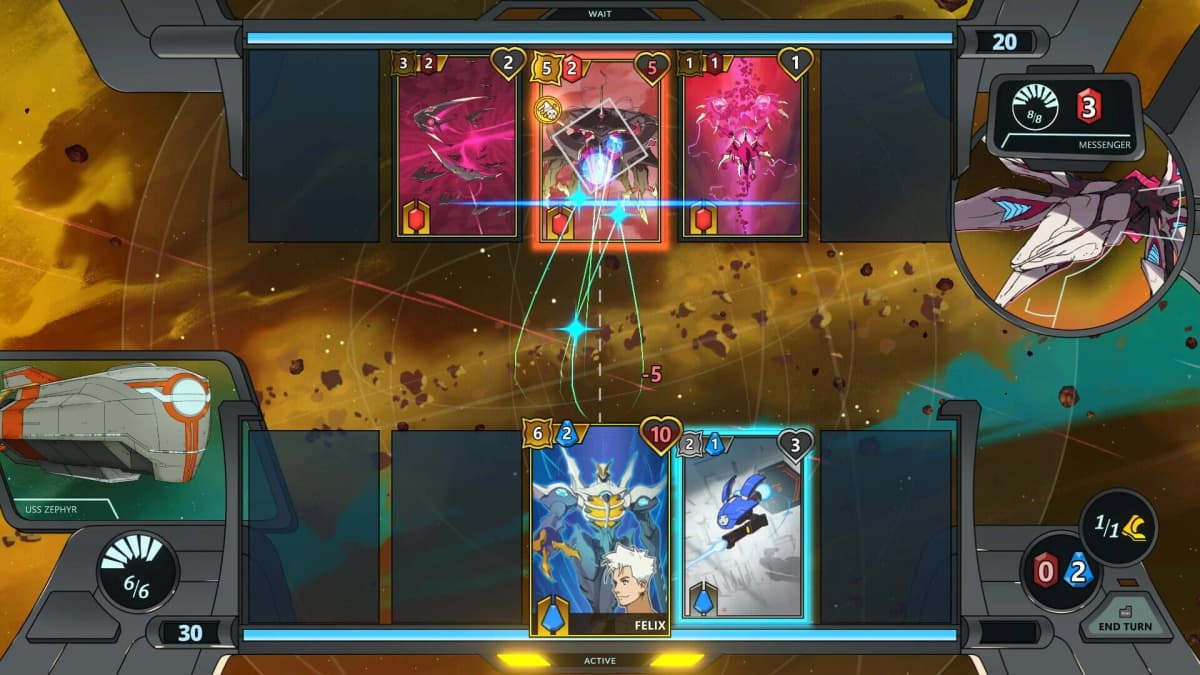
Battle Suit Aces grabbed me for two reasons: it’s Trinket Studios back in the saddle after Battle Chef Brigade, and it’s a mecha-flavored deckbuilder with actual scope. We’re talking hand-drawn art, over 50 fully voiced characters, and a 5v5 card combat system-not a tiny roguelite, but a full RPG with factions, relationships, and crafting. It lands October 7 on Steam, Nintendo Switch, and PlayStation 5, and the Outersloth indie fund backing explains how an indie can afford a 25+ track soundtrack and a cast this big. The pitch is ambitious; the question is whether it all coheres once cards hit the table.
Key Takeaways
- 5v5 card battles suggest longer, more tactical matches than your typical quick-hit deckbuilder.
- Branching, faction-driven storytelling and relationship building could make runs feel distinct-if choices truly matter.
- Hand-drawn art and full VO for 50+ characters is unusual at this scale; Outersloth’s backing likely fuels the polish.
- Accessibility options are called out up front, which is great-execution (readability, colorblind support, text size) will be key.
Breaking Down the Announcement
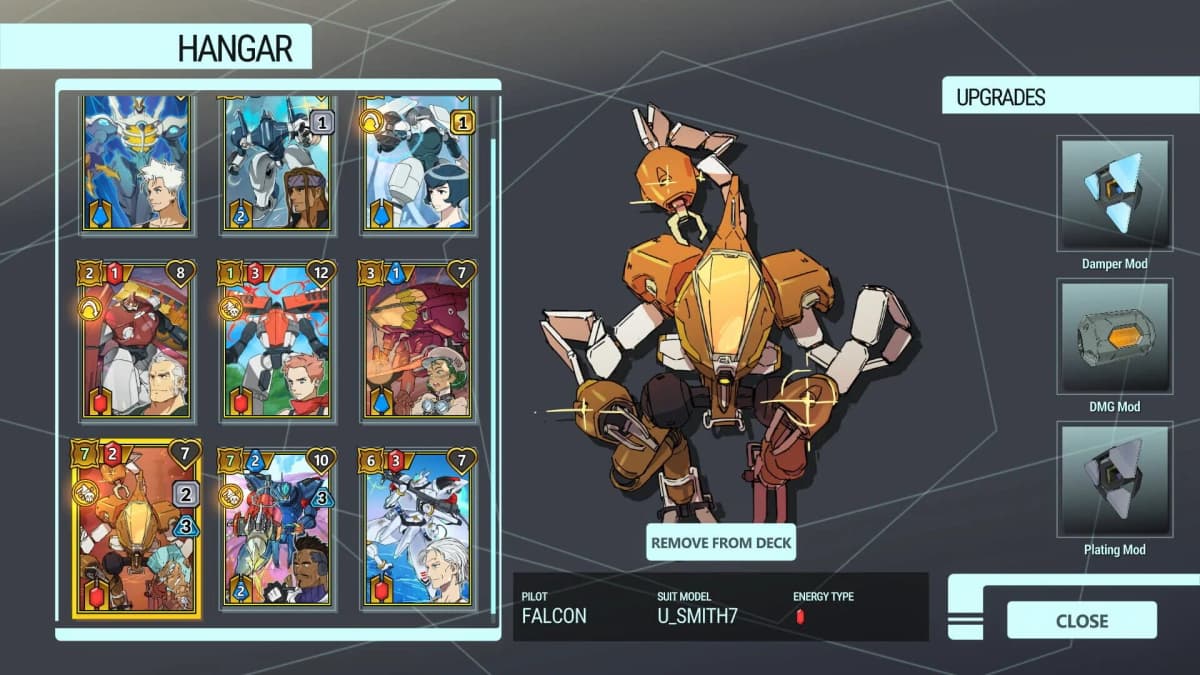
Here’s the straight info: Battle Suit Aces is a mecha-focused, hand-drawn card-battling RPG from Trinket Studios, out October 7 on PC (Steam), Nintendo Switch, and PS5. Combat features squad-based, 5v5 card play; between missions you recruit a cast of pilots, craft upgrades, and nurture relationships. The campaign threads through branching, faction-driven routes, and the studio is emphasizing accessibility options alongside a soundtrack boasting 25+ original songs.
If you played Battle Chef Brigade, you know Trinket loves genre fusion. That game mashed up puzzling with side-scrolling combat and cooking show theatrics—wild on paper, surprisingly cohesive in practice. The upside: Trinket can make disparate systems sing. The risk: their blends can be quirky enough that balance and late-game depth need extra love. With Battle Suit Aces mixing deckbuilding, squad tactics, faction choices, and social links, the systems have to lock together cleanly or it’ll feel like three games stitched into one.
Will 5v5 Card Combat Actually Work?
5v5 immediately raises two practical questions: pacing and readability. Five units per side implies more board states, more triggers, and longer turns. That can be awesome for tactical depth—positioning, timing, and combining pilot abilities with mech actions could let you pull off delicious, anime-worthy power plays. But if turns drag or animations can’t be sped up, it’ll test patience, especially on a handheld Switch session.
Deckbuilders live or die by clarity. Hand-drawn art is gorgeous, but card text needs to be crisp with strong iconography, distinct borders, and colorblind-safe cues. Accessibility options being called out is promising; I’ll be looking for adjustable text size, high-contrast modes, and input remapping as table stakes. A “fast mode” toggle and damage preview would help the 5v5 scale stay snappy and readable.
The other angle is snowballing. In squad card games, early momentum can turn into a runaway win where the last few turns feel inevitable. Smart answers include comeback mechanics (reaction plays, reserve deployments), limited snowball enablers (tighter resource economies), and meaningful defensive lines. The claim of “5v5 card combat” makes me wonder if lanes or front/back rows factor in; if so, expect positioning to matter as much as deck composition.
Story, Factions, and a Fully Voiced Cast—Ambition on Display
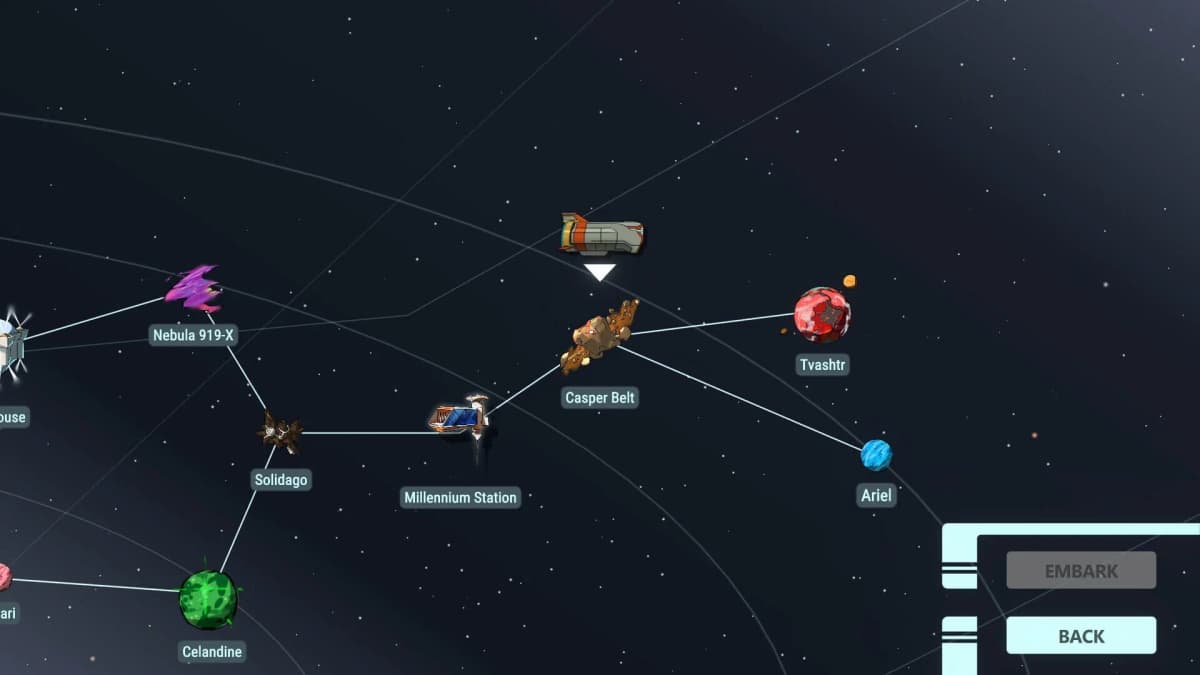
Over 50 fully voiced characters is a flex for an indie. That suggests a social layer with legit personality, not just flavor text. The pitch promises that relationships and faction choices affect both story and mechanics. Best case, you’re making tough calls—ally with a faction for unique cards or passives at the cost of closing off other routes; pursue a pilot’s arc to unlock synergy that reshapes your deck. Worst case, choices are mostly cosmetic and everything funnels back to the same beats. Trinket’s track record gives me cautious optimism: they’re storytellers who like systems to reflect character, even if the balance sometimes skews spicy.
The 25+ original songs also matter. Music carries mech drama. If the score punctuates turns—swelling during last-ditch base saves or ace pilot ultimates—it’ll elevate the whole experience. It’s also a hint at production values that go beyond “indie minimalism.”
Platform Thoughts: Where Should You Play?
On PS5, expect the smoothest performance and shortest loads, which helps if matches run long. On Switch, the portability is perfect for a card-RPG; just watch for UI scaling—tiny text can sink a handheld build. On Steam, mouse controls and higher resolutions are ideal for card readability, and the deckbuilding community tends to rally hard around PC for theorycrafting. If cross-save isn’t confirmed, pick the place you’ll actually finish a strategy RPG—because between factions, relationships, and crafting, this doesn’t look like a quick weekend clear.
The Gamer’s Perspective: Hype vs. Substance
This caught my eye because it isn’t just another roguelike card run; it’s aiming for a full-fat campaign with character, voice, and choices. I’m excited for the 5v5 scale, skeptical about pacing, and curious how deep the deckbuilding goes beyond obvious archetypes. If relationship building unlocks unique cards or passive synergies, there’s real buildcraft potential. If crafting feeds into mech-specific modules that alter card pools, even better. But if the factions feel interchangeable or combat snowballs without counterplay, the shine will wear off fast.
Looking Ahead
Going into launch, I want to see: concrete accessibility features, a sense of average match length, and how meaningfully faction choices diverge routes. If Trinket sticks the landing, Battle Suit Aces could sit alongside narrative-forward deckbuilders like Thronebreaker as “come for the cards, stay for the story.” If not, it’ll still be a stylish curiosity with great art and music—but I’m rooting for the ambitious version to show up on October 7.
TL;DR
Battle Suit Aces launches October 7 on Steam, Switch, and PS5 with 5v5 card battles, a faction-branching story, and 50+ fully voiced characters. It looks ambitious and stylish; now it needs crisp UI, smart pacing, and meaningful choices to turn promise into a must-play.