
Table of Contents (7)
Two Very Different Games, One Busy October
This caught my attention because we’ve got two franchises trying to prove something at the same time. Battlefield 6 is DICE’s shot at redemption after 2042’s messy launch, while Little Nightmares III hands its beloved, solitary horror to Supermassive Games and says, “Make co-op work.” Both are risky moves. Both are getting buzz. Here’s what actually matters if you’re planning to dive in this month.
Key Takeaways
- Battlefield 6 trims back to 64 players and a simpler class setup-less spectacle than 2042, more readability and teamwork.
- Battlefield Portal returning is a smart nostalgia play, but its long-term value depends on curation and community moderation.
- Little Nightmares III’s online co-op changes the vibe-but early impressions suggest tension survives if you communicate.
- PC players: Secure Boot/anti-cheat requirements can be a hurdle; fix your BIOS now to avoid launch-night headaches.
Battlefield 6: Can DICE Finally Steady the Ship?
Let’s be real: “return to form” only means something if it translates to better moment-to-moment matches. DICE stepping back to 64-player lobbies is a big tell-they’re betting that clarity and pacing beat 2042’s chaotic 128-player zergs. The simplified classes read like a direct answer to the Specialist backlash, and that’s a good thing. Roles matter in Battlefield; weakening that identity hurt the last game.
Map design is the other linchpin. The early maps feel tighter and more purposeful, with smart lines of sight and multiple viable routes for infantry, armor, and air. Destruction still matters—blowing out a stairwell to deny a flank or turning a building into improvised cover is the Battlefield dopamine hit I missed.
Vehicles are punchy without hard-carrying an entire lobby. If you hated hovercrafts clown-carring objectives in 2042, you’ll appreciate the balance pass here. And yes, cross-play is in, which should keep matchmaking healthy across platforms. The Portal mode returning—with content spanning classic Battlefield eras—could be the game’s secret engine if DICE surfaces the best creations instead of letting the mode become a chaos museum.
Skeptic hat on: launch stability is everything. Early patches are already targeting servers and weapon balance, which is normal, but watch the map rotation variety and how quickly DICE responds to outlier guns (there are always a couple). On PC, the Secure Boot requirement via EA’s anti-cheat is a known landmine—double-check BIOS settings now, especially on prebuilt rigs and laptops where OEMs bury the toggle.
Quick setup tips that actually help: kill motion blur and film grain, enable ADS FOV for consistent recoil feel, tweak controller deadzones, and bind a dedicated “request revive” key so your squad notices you. If you’re rusty, spend 15 minutes in vehicles before jumping into Conquest; competent pilots and tank commanders still swing matches.
Little Nightmares III: Co-op Horror That Actually Works
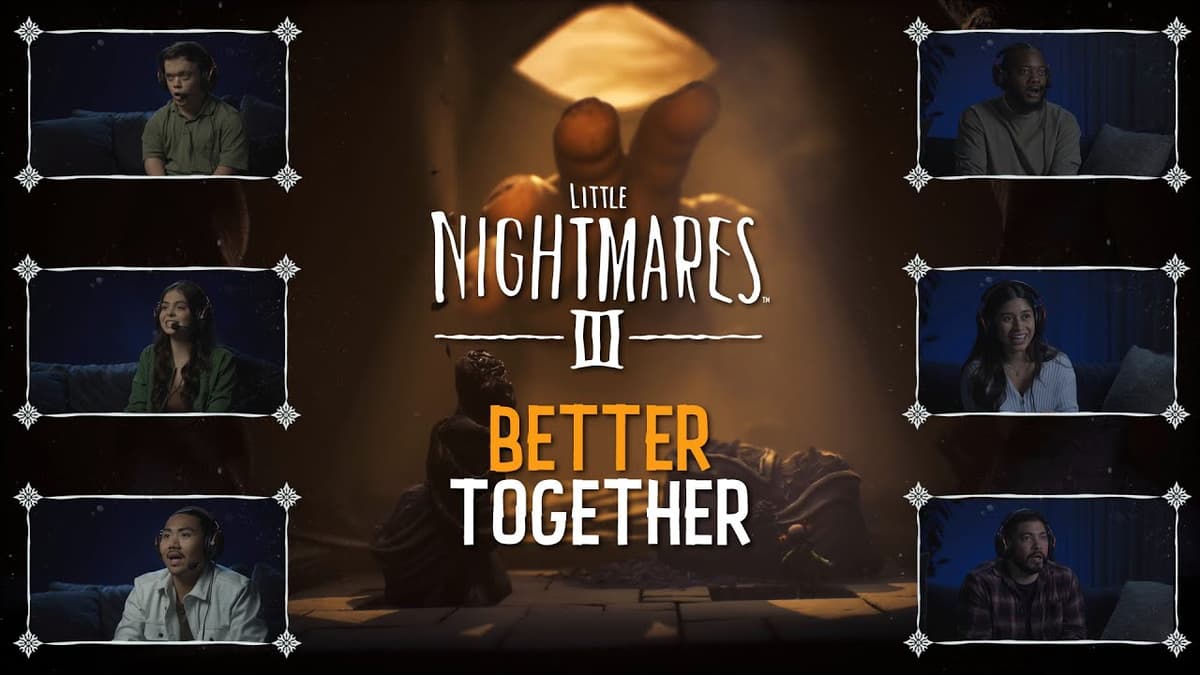
Handing Little Nightmares to Supermassive is bold. Tarsier defined the series’ wordless dread; Supermassive (Until Dawn, The Quarry) knows interactive horror, but in a very different, dialogue-heavy way. The twist this time is online co-op, with two playable kids—Low and Alone—each wielding distinct tools (a bow and a wrench). That immediately raises a fear: does co-op ruin the isolation?

So far, no. The tension survives because the puzzles demand coordination under pressure. One player lines up a distant switch with the bow while the other pries a mechanism with the wrench; you’re whispering “now, now, now!” as something awful lumbers nearby. The Spiral’s vignettes are still grim fairy tales told through environments, not exposition, and the enemy design stays gleefully grotesque without tipping into cheap gore.
Two caveats. First, this is built for co-op. Solo is playable with an AI partner, but the magic fades when you’re issuing commands instead of mind-melding with a friend. Second, check whether your buddy is on the same platform—lack of cross-platform co-op at launch (or any finicky matchmaking) can drain the momentum fast. Bandai Namco’s promised connectivity fixes are welcome, but we’ve all been burned by “week one patch incoming” assurances.
Pro tip: communicate constantly. Use short, actionable callouts—“hold,” “distract,” “swap sides”—to keep panic from turning into friendly fire on puzzle plates. Explore every nook; the collectibles aren’t just checkboxes, they’re story breadcrumbs that make the finale land harder. And prepare for stealth sequences where patience is the point: sprinting is almost always the wrong answer.

Why These Two Are Dominating Now
Battlefield 6 hits at the exact moment the FPS crowd is craving clean team play over kitchen-sink chaos. If DICE sticks the post-launch cadence—new maps that respect the current sandbox, not just bolt-ons—and keeps monetization to cosmetics with a fair battle pass, this could be the series’ true reset. If they stumble with thin launch content or slow balance passes, the community will bail fast. We’ve seen that movie.
Little Nightmares III, meanwhile, gives October something different: a horror game that’s scary to play with a friend rather than because of a friend. It’s streamer-friendly, bite-sized in sessions, and perfect for “one more puzzle” nights. The big test will be whether the late-game puzzle design keeps escalating without leaning on repetition or chase-scene fatigue.
The Gamer’s Bottom Line
- Jump into Battlefield 6 if you miss Battlefield 3/4’s rhythm: reliable gunplay, clear roles, and maps built for readable chaos. Fix your Secure Boot and give Portal a spin for variety.
- Grab Little Nightmares III with a friend and a headset. It’s still creepy, just more collaborative—and that’s a good twist for the series.
TL;DR
Battlefield 6 ditches 2042’s bloat for tighter 64-player warfare and better team identity—smart move if DICE sustains it post-launch. Little Nightmares III proves co-op horror can keep its teeth when puzzles force real coordination. Different vibes, same result: both are worth your October.
FinalBoss // Gear
Level up your setup
01Top-rated gaming headsetson Amazon→02High-refresh gaming monitorson Amazon→03Gaming chairson Amazon→04Discounted game keyson Kinguin→Affiliate links · As an Amazon Associate, FinalBoss earns from qualifying purchases.
Want to Level Up Your Gaming?
Get access to exclusive strategies, hidden tips, and pro-level insights that we don't share publicly.
Ultimate Gaming Strategy Guide + Weekly Pro Tips