
Table of Contents (10)
Why Helicopters Are the One Thing Holding BF6’s Beta Back
Battlefield 6’s beta grabbed me for hours last weekend, and I’m already queuing for phase two. The gunplay feels snappy, tanks punch hard, jets slice the sky, and the chaos hums on large maps. But helicopters? Right now they’re the wobble in an otherwise tight war machine. I’m no heli ace—but on Liberation Peak, chopper controls felt clunky, underpowered, and low-impact. I’m not alone. On Reddit and Twitter, pilots are voicing the same: “Feels like flying a ton-of-brick with rotors,” “I hit more rocks than enemies,” and “Heli roles are dead in this beta.” DICE has listened, but the promised “large tuning pass” won’t land until after beta.
Key Takeaways
- Lead producer David Sirland confirmed there’s “no revert” to Battlefield 4’s flight model, but a “large tuning pass” on helicopter controls is slated post-beta.
- Don’t hold your breath for helicopter changes in beta weekend two; expect them closer to the October 10 launch.
- Helis need a higher skill ceiling without a punishing skill floor—right now the entry barrier is too steep and the payoff too shallow.
- Vehicle balance is a core Battlefield pillar; weak helicopters undermine large-map flow, team momentum, and player investment in pilot roles.
Breaking Down the Announcement
When asked about reverting to Battlefield 4–style chopper handling, Sirland was clear: “There is no ‘revert’ [planned] but a large pass on helicopter flight is in progress and coming after beta for testing.” In follow-up notes he added that the team has “looked at many parts of the flight model—stability, input responsiveness, lift curves, yaw behavior under load—and will move them based on feedback and goals.”
Translation: DICE isn’t copy-pasting BF4’s physics. Instead, they’re likely rebalancing rotor inertia, adjusting collective sensitivity, refining torque curves, and improving auto-leveling. That’s the right call. A straight revert would please some players but ignore a decade of learnings around accessibility, modern controllers, and networked input smoothing.
The better path: retain a high skill ceiling while lowering the barrier to entry, so new pilots can provide squad transport, spotting, and harassment early, then graduate to advanced knife-edge maneuvers and stunts.
Why This Matters Now
Battlefield thrives on vehicles shaping the front. Tanks grind lanes, jets dominate airspace, and helicopters are meant to be the mobile momentum shifters—precision strikes, rooftop insertions, squad transport, and last-ditch evac plays. In the beta’s current state, helis are hard to keep stable, too easy to misplay into the ground, and too fragile against engineer-class AA spam.
On Liberation Peak, I ran out of hover control trying to thread a narrow canyon roof gap, only to be shredded by a shoulder-fired missile. In past titles like BF3 and BF4, that same gap was a showcase for skilled pilots—hover-dancing and flaring to bait lock-ons, then blasting infantry with miniguns from behind rock. Now, the risk-reward feels inverted: one missed collective input and you’re a juicy wreck.
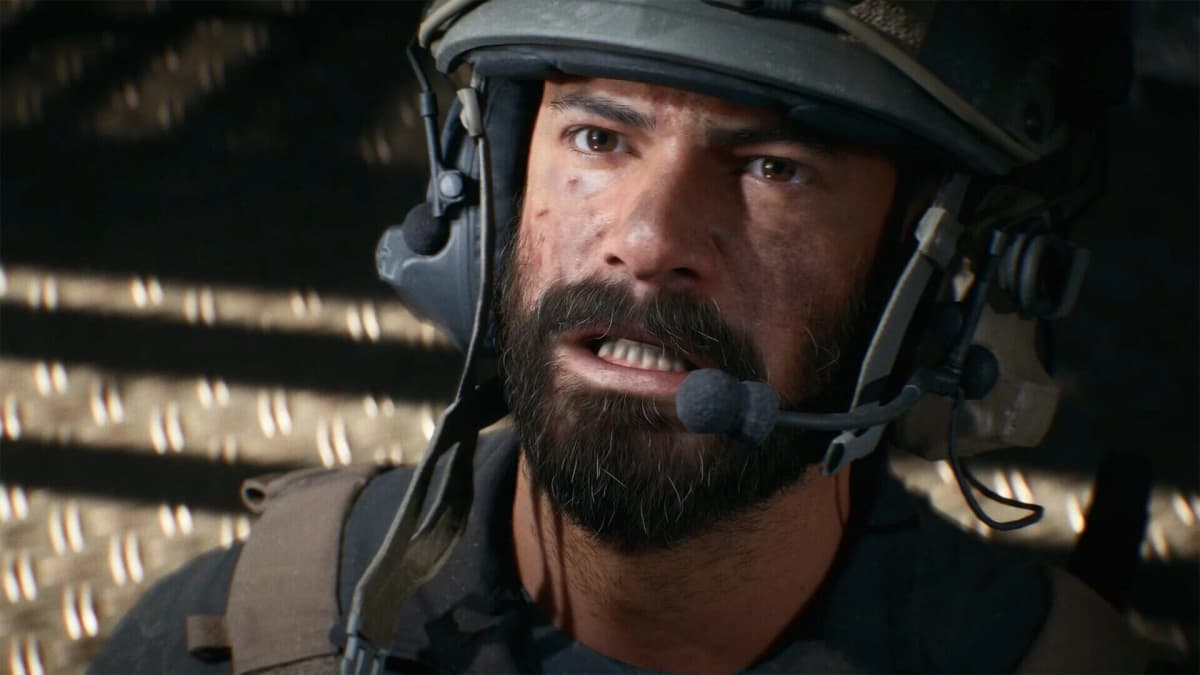
If helicopters don’t reliably dodge AA, maintain altitude, and deliver passengers intact, squads stop burning tickets on pilots. They park choppers in hangars, spawning instead in reinforced thirds. That kills the flow of large-scale skirmishes, undermines strategic play, and shifts the sandbox toward pedestrian lock-on warfare.
The Real Fix: Options, Not Just Numbers
“Large tuning pass” must include control and UI options alongside raw physics tweaks. Here’s what veteran pilots and community feedback consistently request:
- Separate sensitivity curves for pitch, roll, and yaw with distinct sliders. Pilots should fine-tune each axis without compromising others.
- Anti-torque slider to balance tail rotor response and reduce over-correction jitters. A 10–20% slider range could allow smoother yaw control under heavy load.
- Legacy yaw toggle (Q/E) versus modern yaw-on-axis (A/D), plus full dead-zone customization. This replicates the tight BF4 feel or the smoother, controller–friendly curve.
- Aim-stabilization and camera decoupling options so gunners can track targets independently from pilot micromanagement.
- Enhanced HUD feedback—clear hover indicators, vertical-speed indicator, altimeter, and audio cues when losing lift or nearing stall, so new pilots learn spatial awareness faster.
- Dedicated training tools: a stress-free flight range with target dummies, moving obstacles, time trials, and guided tutorials covering basic lift, collective control, and advanced maneuvers.
Even small QoL touches—smoother takeoff torque, predictable hover stability, and readable inertia when banking—can transform helicopters from chores into highlights. If jets already feel great and tanks deliver satisfying punch, helis just need that layer of polish so squads plan around them instead of avoiding them.
Historical Context: Learning from BF3, BF4, and 2042
Battlefield 3 and 4 are widely regarded as the high-water mark for helicopter gameplay. BF3 introduced responsive collective controls and simple auto-level assists that let new pilots lift squads quickly. BF4 refined rotor torque, adding a subtle fly-by-wire feel that balanced realism with arcade-style accessibility. Mastery rewarded hours of practice: knife-edge turns, ROFLcopter climbs, hover stunts, and close-quarters dogfights became part of the meta.
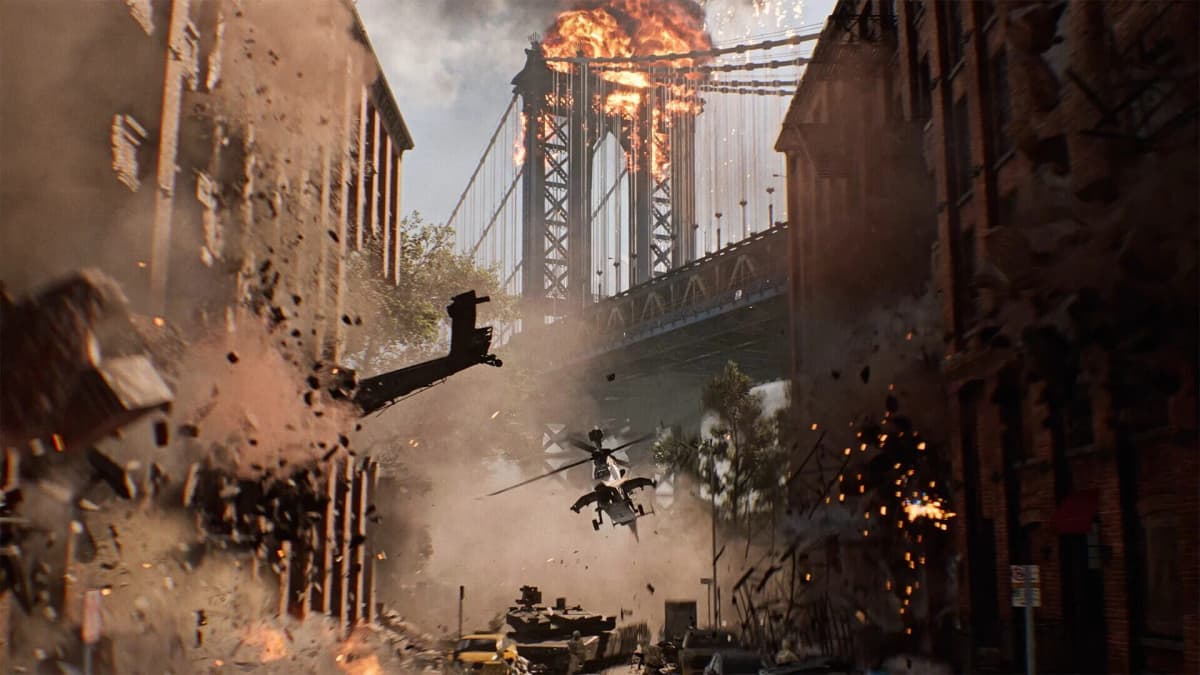
In contrast, Battlefield 2042 overcorrected. Vehicles felt over-shielded or over-nerfed based on class, readability was murky, and the sandbox lost its signature ebb and flow. Infantry farmers farmed ground, pilots were neutered by imprecise controls, and overall vehicle-infantry synergy collapsed.
BF6’s beta seems to lean toward overprotecting infantry—understandable given 2042’s lessons—but the result is a broken helicopter feedback loop. Pilots don’t get the “clutch my six” moments that make the role addicting, and squads don’t build strategies around transport, assault runs, or evac plays.
Concrete Tuning Proposals
To move from general critique to a constructive roadmap, here are two specific tuning passes DICE could implement post-beta:
- Rotor Inertia and Collective Curve Adjustment
Reduce base rotor inertia by roughly 15% and remap collective input from a linear to a mild exponential curve. This gives new pilots enough lift without complete twitch, while enabling advanced users to thread precision stunts at high RPM. - Auto-Level Assist and Stall Recovery Boost
Introduce an optional auto-level assist that engages at low speed or when within 10 meters of the ground. Combine this with a 5% temporary hover-assist in a 3-second window after losing lift, reducing crash-landing frustration in tight spaces.
These tweaks keep the high skill ceiling intact—hover precision and advanced dogfighting remain a challenge—while smoothing the skill floor, letting new pilots provide basic squad transport and AA harassment faster.
Looking Ahead: Weekend Two and Launch Day
The second beta phase rolls out more maps, modes, and vehicle spawns—great for stress-testing sightlines, spawn balance, and vehicle availability. But don’t expect helicopter physics tweaks this weekend. Instead, use this time to:
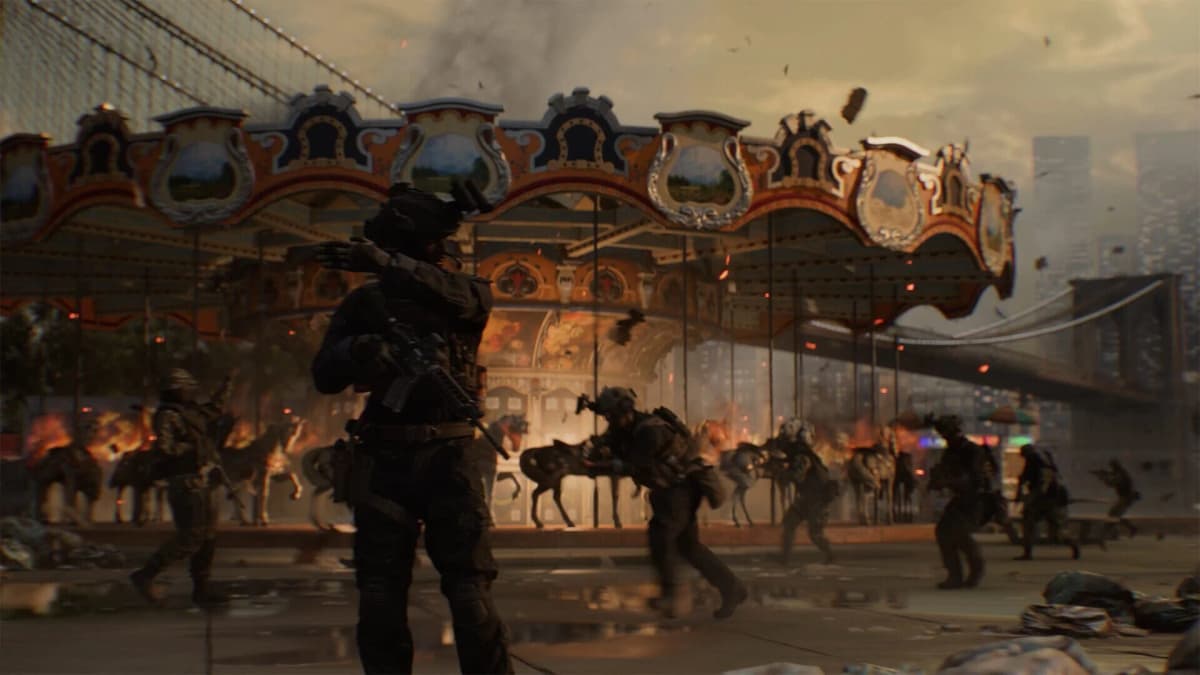
- Assess ground-to-air pressure: how many lock-ons per minute can a helicopter survive before crash?
- Test AA counterplay: are Zuni rockets, Stinger, and IGLA overperforming because choppers are underpowered?
- Collect data on hover stability: how much collective input variation is needed to maintain a steady 10-meter hover?
- Report flight logs and video clips to the feedback tracker with timestamps and context.
And keep an eye on official DICE channels for patch notes post-beta. A mid-September tuning pass preview could arrive, giving pilots a chance to validate the new curves before launch.
Conclusion
Battlefield 6’s beta is a triumph in gunplay, map design, and large-scale warfare—but helicopters remain the wobble in the rotors. DICE’s “large tuning pass” is the right approach, balancing accessibility with a high skill ceiling, but the real test comes in post-beta patches and launch-day builds. If the team nails rotor inertia, adds nuanced control options, and refines hover stability, helicopters will shift from “skip it” roles to clutch-play centerpieces.
As someone who lives for those rooftop insertions, flank wipes, and last-minute evac plays, I’m rooting for DICE to hit the sweet spot. Pilots, load up choppers in weekend two, collect data, file precise feedback, and be ready to test new flight models in the final builds. The helicopter of your dreams—versatile, responsive, and fun—could be just one tuning pass away.
TL;DR
BF6’s beta is strong, but helicopter controls feel too heavy and low-impact. DICE plans a post-beta “large tuning pass” (no BF4 revert) to refine rotor inertia, sensitivity curves, and auto-level assists. Use weekend two to stress-test ground-to-air balance, report hover data, and prepare for launch-day tweaks that could make helicopters shine again.
FinalBoss // Gear
Level up your setup
01Top-rated gaming headsetson Amazon→02High-refresh gaming monitorson Amazon→03Gaming chairson Amazon→04Discounted game keyson Kinguin→Affiliate links · As an Amazon Associate, FinalBoss earns from qualifying purchases.
Want to Level Up Your Gaming?
Get access to exclusive strategies, hidden tips, and pro-level insights that we don't share publicly.
Ultimate Gaming Strategy Guide + Weekly Pro Tips