
Game intel
Battlefield 6
The ultimate all-out warfare experience. In a war of tanks, fighter jets, and massive combat arsenals, your squad is the deadliest weapon.
I went into Battlefield 6’s campaign preview expecting a box‑ticking tutorial for multiplayer. What I got instead was a loud, lean rollercoaster that actually demands you think. Over 2h15 on PC, I played three missions-Gibraltar (mission 3), New York (5), and Tajikistan (8)-set in 2027’s messy showdown between NATO’s frayed edges and a private military upstart called Pax Armata. You roll with Dagger 13, an American spec‑ops unit (Haz, Dylan, Simone, Cliff, Lucas), and yes, this one wears its Battlefield identity on its sleeve.
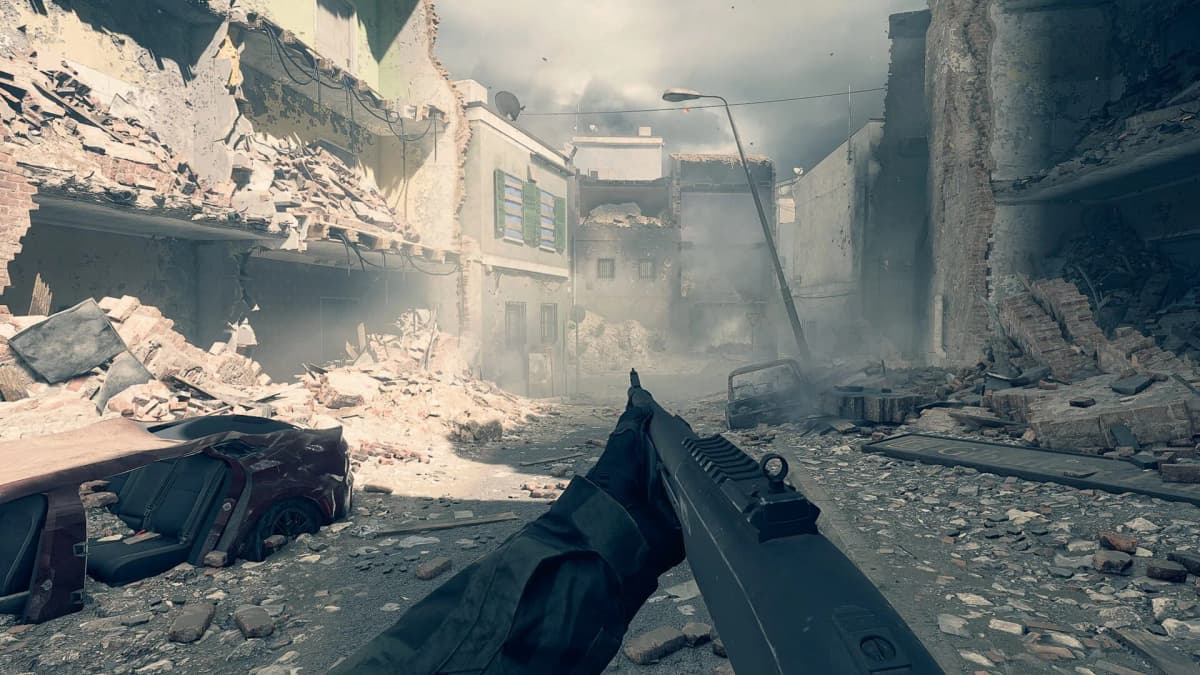
Gibraltar opens classic and loud: turret gunplay across water and land, then boots-on-ground escorting an armored vehicle and pushing into an embassy-like building. It’s familiar Battlefield energy—metal groaning, dust clouds, and that unmistakable Frostbite rumble.
New York is the standout. It starts with tense apartment clearing, spills onto rooftops, dives underground, then escalates into a car chase alongside a subway. The Brooklyn Bridge goes up in a fireball, the streets choke with wrecked carriages, and the whole thing ends with you gulping East River. It’s breathless in the best way—set pieces stitched together with just enough player agency to keep you in the fight rather than watching it.
Tajikistan gives you the most freedom. Big open spaces, vehicles, optional objectives—more sandbox than cinematic. It doesn’t spike the adrenaline like New York, but it lets you improvise, and that’s where Battlefield’s bones show. I dig the tonal shift, even if the pacing dips a touch after the earlier fireworks.
Difficulty-wise, “Medium” already hurts. You don’t just ragdoll to a loading screen when downed—you enter a last-chance state that an AI medic can bail you out of, with limited uses per mission (three on the lowest difficulty, two on the next). It’s a smart system that keeps momentum without removing stakes. Ammo is tight—especially explosives—so expect to ration your launcher shots instead of blazing through encounters like Call of Duty’s power fantasy.
The big surprise: the campaign doubles down on Assault, Engineer, Support, and Recon without feeling like a teaching aid. Dagger 13’s members map to those roles and missions lean into it. As Engineer in Gibraltar, that blowtorch isn’t set dressing—it keeps your armor rolling during a tank escort. As Recon in Tajikistan (Simone), you get a scout drone that tags enemies and even drops bombs from above. Developers told us that bomb-dropping drone is campaign-only “for now,” and honestly, that’s the right call for multiplayer sanity.
You can also ping a squad command wheel for contextual help: Assault tosses a grenade, Recon marks nearby targets, Support screens with smoke, Engineer opens up the environment with explosives. It’s lightweight but useful, and crucially, it reinforces the team fantasy without shoving you into canned sequences.
Support (the medic) wasn’t playable in our slice, but revives are baked into the campaign rhythm already, so don’t be shocked if their mission hinges on triage under fire.
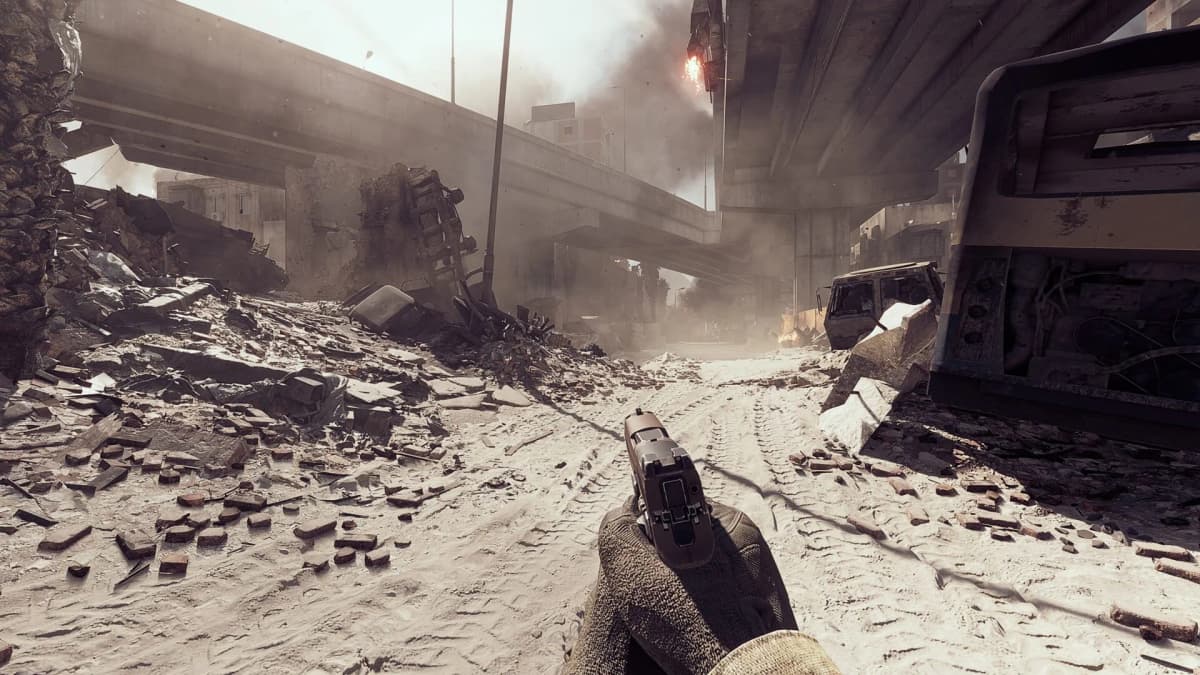
Battlefield 6 gives you more destructible bits—not everything, but enough to matter. The New York mission hid a great trick: blow the floor and drop in on enemies below. It’s the kind of battlefield creativity veteran players love, even if the guided flow of a campaign can make it tricky to plan first time through.
That’s where replay value creeps in. Once you know the layouts, environmental takedowns feel like a power-up. There are dog tags to collect, and finishing missions unlocks skins for multiplayer, with a bigger reward for completing the campaign. It’s not some live-service hamster wheel, but there’s enough incentive to re-run standout scenarios and push different class angles.
Frostbite still slaps—thick smoke, violent shockwaves, crunchy, layered audio. On PC, the presentation sells 2027’s chaos. But some rough edges popped: door-breach AI occasionally freeze-frames like mannequins, and in-engine facial models for your squad don’t hit today’s top-tier standard. CGI cutscenes look better—but that’s part of the problem.
Twice during our missions—Brooklyn Bridge’s destruction and a dam explosion in Tajikistan—the game fades control and hands the moment to a pre-rendered cinematic. Developers insist that’s a creative choice, not a Frostbite limitation. I get the cinematic intent, but I’d rather play those beats than watch them. When a scene screams “This is f*cking Battlefield 6,” let me be the one pulling the trigger, not fading to black.
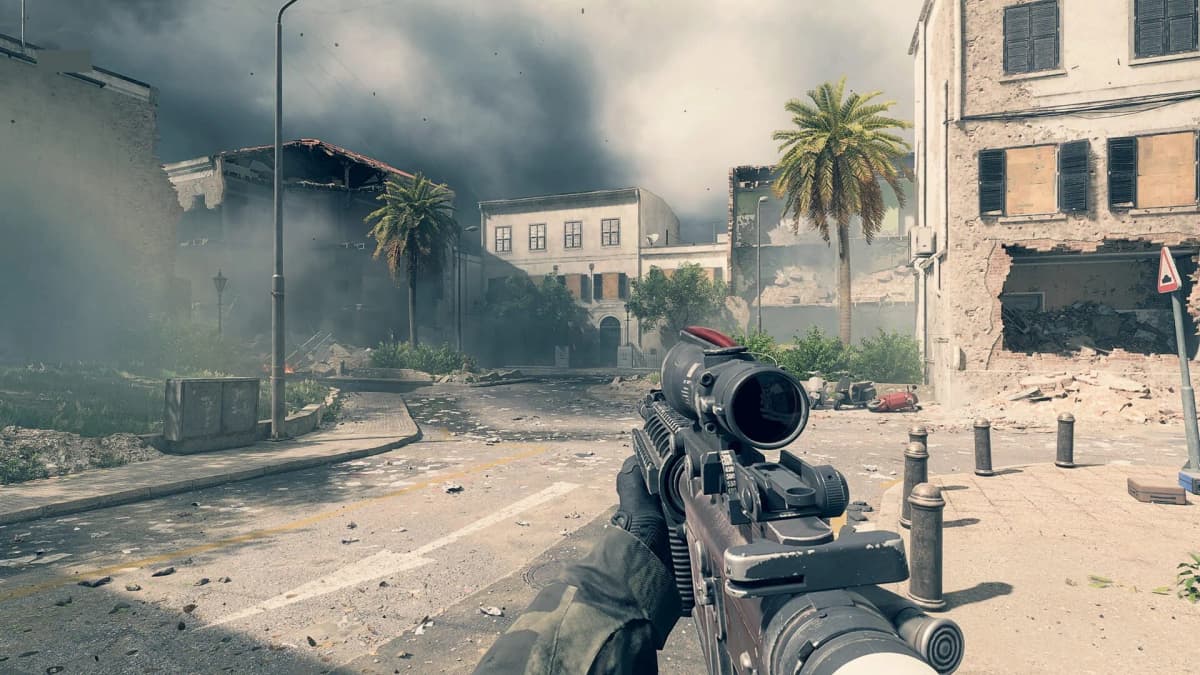
Context matters. Battlefield 2042 skipped a campaign entirely. Battlefield 3 and 4 had flashy, divisive single-player runs, usually clocking around six hours. Battlefield 6 looks closer to that era in length and pacing, but with smarter class expression and more tactile destruction. If the full game can maintain New York’s momentum while letting the open missions breathe, this could be the first Battlefield campaign in a decade that’s more than an obligation.
Questions remain: Will PS5 performance match the PC smoothness we saw? Will the ammo economy loosen up or is scarcity the point? And can the team resist hiding the coolest moments behind CGI instead of letting us own them?
After 2h15 with three missions on PC, Battlefield 6’s campaign feels fast, tough, and genuinely class-driven. It stumbles with occasional AI weirdness and immersion-breaking CGI handoffs, but the set pieces and tactical destruction have teeth. If DICE can sustain this pace, single-player might actually matter again.
Get access to exclusive strategies, hidden tips, and pro-level insights that we don't share publicly.
Ultimate Gaming Strategy Guide + Weekly Pro Tips