
Table of Contents (7)
Battlefield 6’s big pivot on progression wasn’t PR – it was triage
Selling millions at launch didn’t save Battlefield 6 from its own progression design. When players complained that unlocks and weekly challenges felt like chores that pushed them into modes they didn’t want to play, the team across DICE, Criterion, Motive and Ripple Effect pulled the system apart and rebuilt it mid-season.
- EA shipped a record launch, but progression mechanics started costing the team goodwill – and, arguably, retention.
- Producer Alexia Christofi says challenges have been simplified, Battle Pass XP requirements cut, and weekly tasks reworked to avoid forcing playstyles.
- The fix is being pushed by a near-24/7, cross-studio workflow: hot-fix patches for immediate pain points and longer design changes in Season 2 and beyond.
They fixed what actually mattered – progression felt punitive, not rewarding
Alexia Christofi — speaking about the post-launch response at DICE and to Game Developer/Eurogamer — admitted the original meta progression needed “a little bit of a rework.” Players were doing the things Battlefield is meant to reward, but the unlock paths and weekly challenges were too demanding or too prescriptive. In short: fun didn’t line up with rewards.
The clearest change is quantitative: the team reduced the XP needed to earn Battle Pass points and simplified challenge conditions so players aren’t being nudged into specific playlists just to unlock a cosmetic or weapon. That’s a concrete pivot away from “grind-first” live-service design toward frictionless reward pacing.
Near-24/7 cross-studio work is a strength — and a structural risk
Christofi described a global handoff model where developers in Sweden can pass work to teams in LA to keep fixes rolling around the clock. That kind of synchronization is what most modern live services promise, and it let Battlefield react faster than a single-studio cadence would allow.
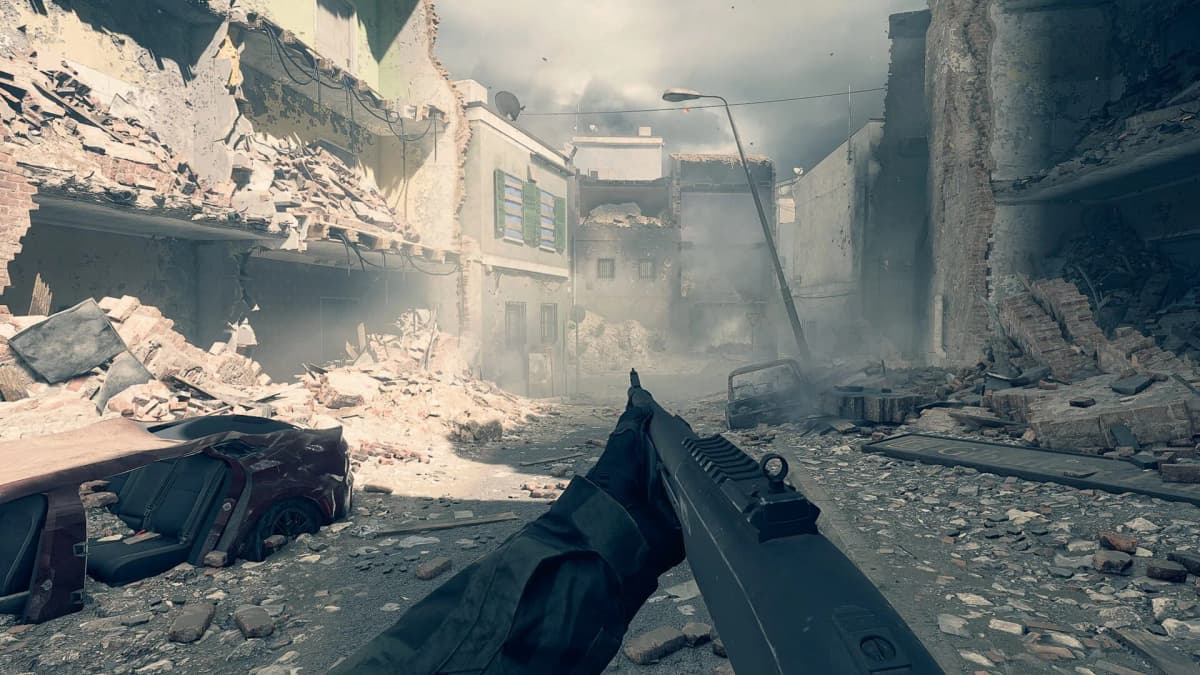
But rapid iteration exposes two problems. First, detection can outpace resolution: the team can see issues faster than it can design, test and communicate fixes. Second, constant triage leaves limited room for the thoughtful design work needed to prevent recurring churn — you can hot-fix a challenge but not a philosophy.
The uncomfortable headline: launch success isn’t a shield
EA celebrated a franchise-record opening for Battlefield 6, but that didn’t translate to sustained momentum. Data reported by 3DJuegos (citing Circana and SteamDB) show Battlefield slipping in sales and concurrent players after launch: Season 2 produced a bump, but SteamDB indicates a net loss of roughly half a million players since launch. In other words, instant sales and long-term retention are different beasts.
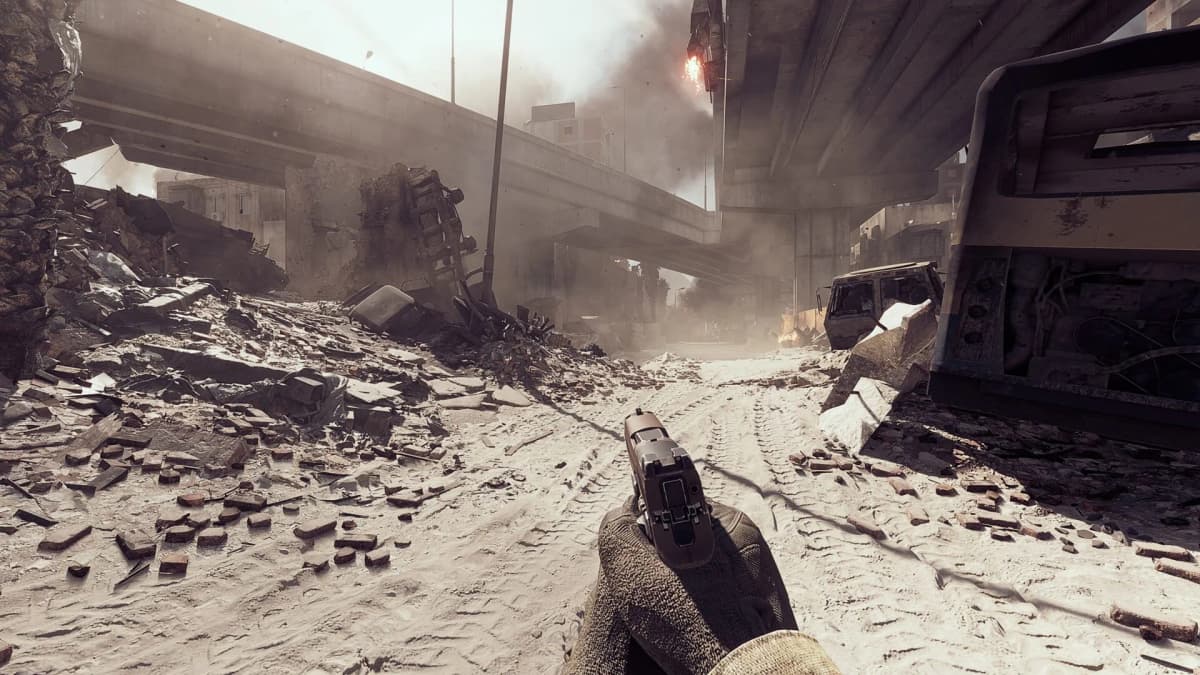
On top of progression fixes, Battlefield’s teams are also rebalancing vehicles that players called “death traps.” Valve’s Steam News and the developer’s posts confirm vehicle changes will be trialed in Battlefield Labs before rolling into the live game — a textbook live-service loop of test → iterate → deploy.
What the PR glosses over
The public message is “we listened and fixed it,” which is true. The less-quoted reality is that these were reactive changes forced by visible player pain and early retention signals. That’s not a scandal — it’s how modern games operate — but it does mean the team is racing to rebuild trust while the scoreboard against rivals (notably Call of Duty) starts to tilt back.
What to watch next
- Player counts and engagement after Season 2 — SteamDB and Circana reports across March will show whether the progression changes stick.
- Battlefield Labs experiments: when vehicle tweaks graduate from lab to live, and whether they actually improve vehicle survivability in regular play.
- EA financials and live-revenue signals — Battle Pass uptake vs. retention metrics will reveal if less forced progression still converts at scale.
Alexia Christofi’s candor at DICE — “we took a step back, re-evaluated…” — is welcome. The team moved quickly, and Season 2 already carries the imprint of that change. But speed isn’t a substitute for trust. Battlefield 6’s next success won’t be a weekend of record sales; it’ll be months of players actually sticking around and buying into rewards they feel they earned.
TL;DR
Battlefield 6 shipped record sales but angered players with grindy progression. EA’s cross-studio team cut Battle Pass XP and rewired weekly challenges to be less coercive, leaning on hot-fixes and Battlefield Labs. The real test is whether these reactive fixes can restore retention and translate into sustainable live-service revenue.
FinalBoss // Gear
Level up your setup
01Top-rated gaming headsetson Amazon→02High-refresh gaming monitorson Amazon→03Gaming chairson Amazon→04Discounted game keyson Kinguin→Affiliate links · As an Amazon Associate, FinalBoss earns from qualifying purchases.
Want to Level Up Your Gaming?
Get access to exclusive strategies, hidden tips, and pro-level insights that we don't share publicly.
Ultimate Gaming Strategy Guide + Weekly Pro Tips