
Tank balance in Battlefield is supposed to create stories. Last-second RPG kills. Desperate repair runs. That one crew locking down a lane until somebody finally coordinates and breaks them. What it is not supposed to create is a spreadsheet headache where players cannot reliably tell why one hit chunks a vehicle and the next feels like it bounced off a lunchbox. That is the real point of Battlefield 6 Season 3’s vehicle overhaul: DICE is not just buffing or nerfing armor. It is trying to make vehicle combat readable again after months of systems that sounded deep on paper and played muddy in practice.
And yes, that matters now because Battlefield 6 badly needs wins that affect the actual match-to-match experience, not just another content bullet point. The game launched huge, then spent the following months fighting the usual modern Battlefield problem: players showing up for the big sandbox fantasy and getting frustrated when core systems feel inconsistent. Season 3, due in May 2026, looks like DICE finally decided that “complex” and “unclear” are not the same thing.
Table of Contents (5)
The old vehicle model was doing too much, and too little of it was legible
The headline changes are straightforward enough. DICE is rebalancing vehicle health pools, reducing vehicle-specific damage modifiers, toning down hit-location variance, and standardizing how anti-tank damage works. In practical terms, the stated goal is that overall health should actually mean something again. If a tank looks one shot from death, players should not need a private degree in Battlefield damage math to know whether the next missile will finish the job.
That sounds obvious because it is obvious. It is also the kind of obvious fix developers often arrive at only after spending months convincing themselves that layered modifiers, bespoke weak-point logic, and role-specific exceptions are creating “depth.” Sometimes they are. Often they are just creating confusion that veterans can brute-force and everyone else experiences as random nonsense.
According to the current details, most anti-tank tools are being tuned around a more consistent three-hit expectation. That does not mean every launcher becomes identical, and it should not. But it does suggest DICE understands the larger problem: when too many weapon-versus-vehicle interactions feel like special cases, the sandbox stops rewarding judgment and starts rewarding luck, memory, or whichever side happened to read the latest patch breakdown on Reddit.
The uncomfortable observation here is that DICE is effectively admitting the previous system was overengineered for the amount of clarity it gave players. That is not a small patch note. That is a design course correction.
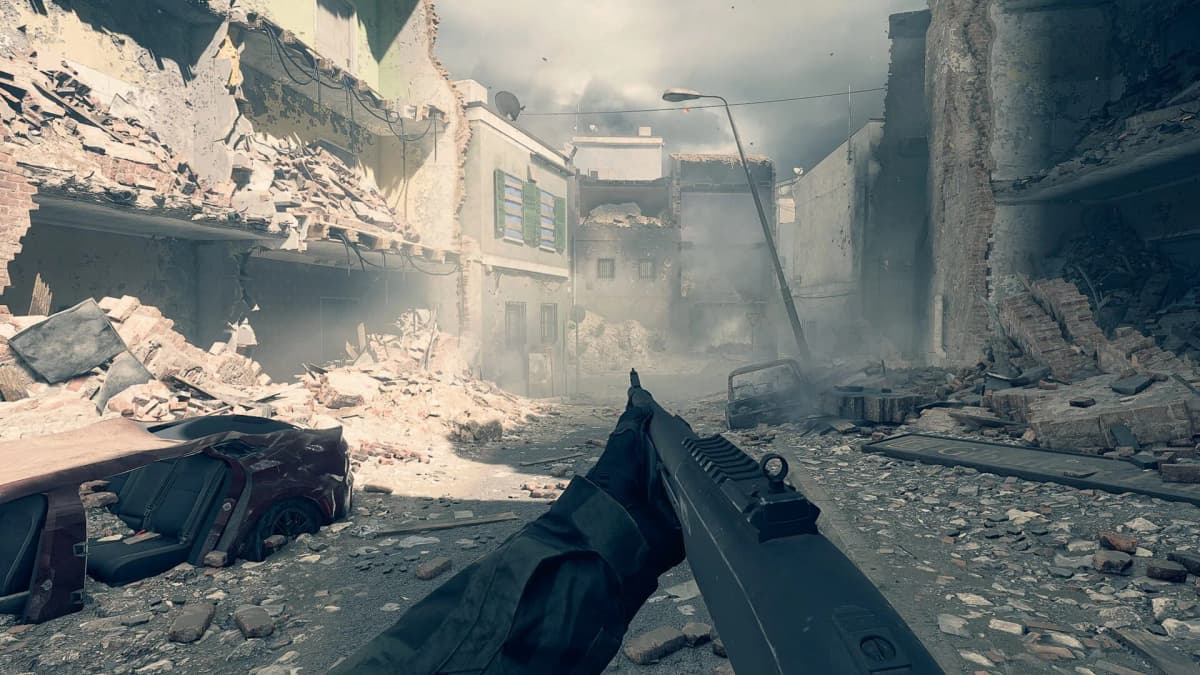
Repairing is being turned from a permanent loophole into an actual decision
The repair changes are arguably more important than the raw damage adjustments. Season 3 reportedly makes repairs strong at the start but weaker over time during sustained combat, while also introducing diminishing returns when multiple Engineers stack repairs on the same vehicle. In plain English: DICE wants to stop the familiar Battlefield farce where one armored vehicle becomes a rolling union jobsite, soaking up punishment while two or three passengers erase incoming damage faster than the other team can create it.
This has been one of those problems players feel instantly even if they never phrase it in balance jargon. Tank survivability is not just about armor values. It is about whether incoming pressure creates a real window to finish the target. If repairs scale too cleanly, every successful hit feels provisional. You did not outplay the vehicle crew. You merely interrupted their maintenance schedule.
Diminishing returns on stacked repairs is a smart fix because it attacks the specific abuse case instead of just gutting Engineers across the board. That is the fair version of a nerf. It preserves the class fantasy of keeping armor alive without letting coordinated repair spam turn every vehicle into a boss fight. The same goes for regeneration timing changes. Passive recovery should support repositioning and disengagement, not reward crews for surviving in the open long enough for the game to forgive their mistake.
If I had one question for DICE’s PR line here, it would be simple: what exactly counts as “sustained combat,” and how visible is the repair falloff to players in the moment? Because that is where smart balancing efforts can still trip over themselves. A hidden rule is still hidden, even if the rule itself is better.
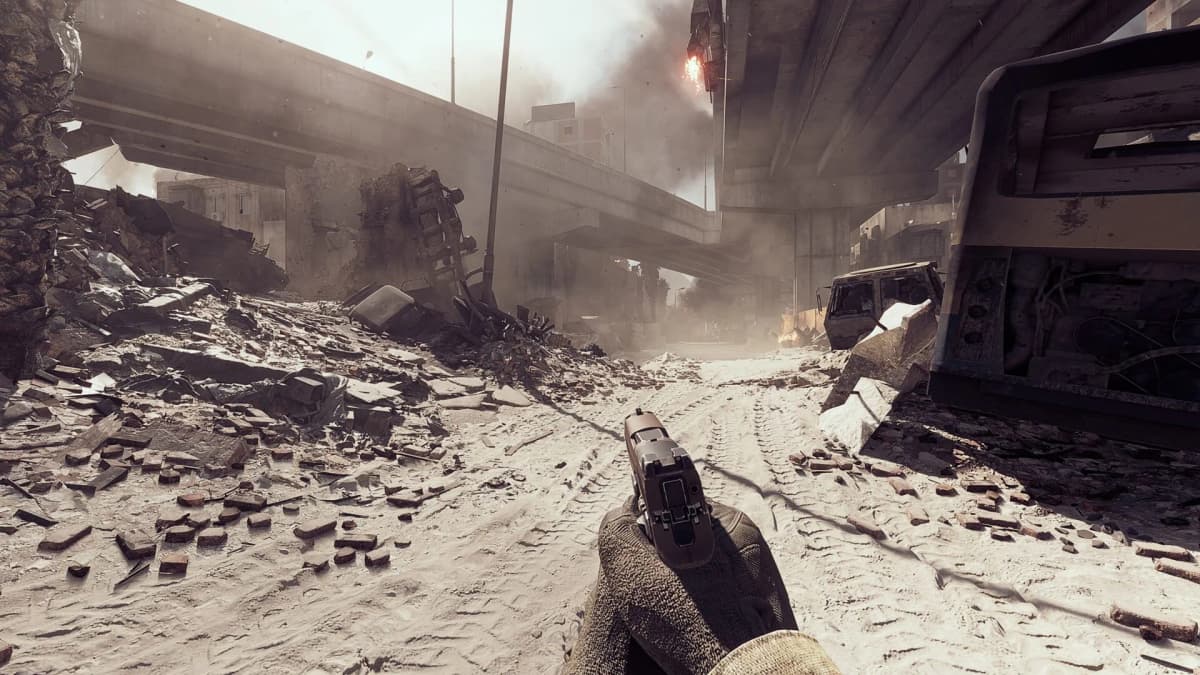
This is also a quiet attempt to make Engineers matter without making tanks miserable
Season 3 is not treating vehicles in isolation. The loadout and counterplay side matters just as much. DICE is also adjusting Engineer and vehicle loadouts, along with UI cues, to make encounters easier to read and less dependent on obscure matchup knowledge. That is the right instinct. Battlefield has a long history of overcorrecting one side of the armor equation and then spending the next two patches cleaning up the collateral damage.
We have seen this before across the series. When tanks feel oppressive, the fix is often to flood the battlefield with stronger counters. Then armor becomes disposable and nobody wants to drive. When armor feels fragile, repair strength goes up and vehicle crews become self-sustaining. Then infantry feel like they are shooting receipts at a bank vault. The hard part is not changing numbers. The hard part is defining a clean loop: vehicles push, infantry threaten, Engineers sustain, and every role can understand why an engagement ended the way it did.
The UI work deserves more attention than it will probably get. Readability is balance. Better indicators around damage states, repair behavior, or incoming threat are not cosmetic quality-of-life fluff. They are the difference between a system players can learn and a system they merely endure until a YouTuber explains it. If DICE really is improving those cues, that may end up mattering as much as any numerical adjustment.
There is also a bigger Season 3 context here. DICE is bringing back Golmud in reworked form as “Railway to Golmud,” and reports suggest it has been expanded to better support air and vehicle play. That matters because vehicle balance gets exposed fastest on maps designed to let armor breathe. Tight maps can hide bad tank design by starving it of room. A large battlefield with open lanes does not hide anything. If these changes work on a map built for heavy vehicle presence, that is a much stronger signal than them feeling decent in cramped urban chokepoints.
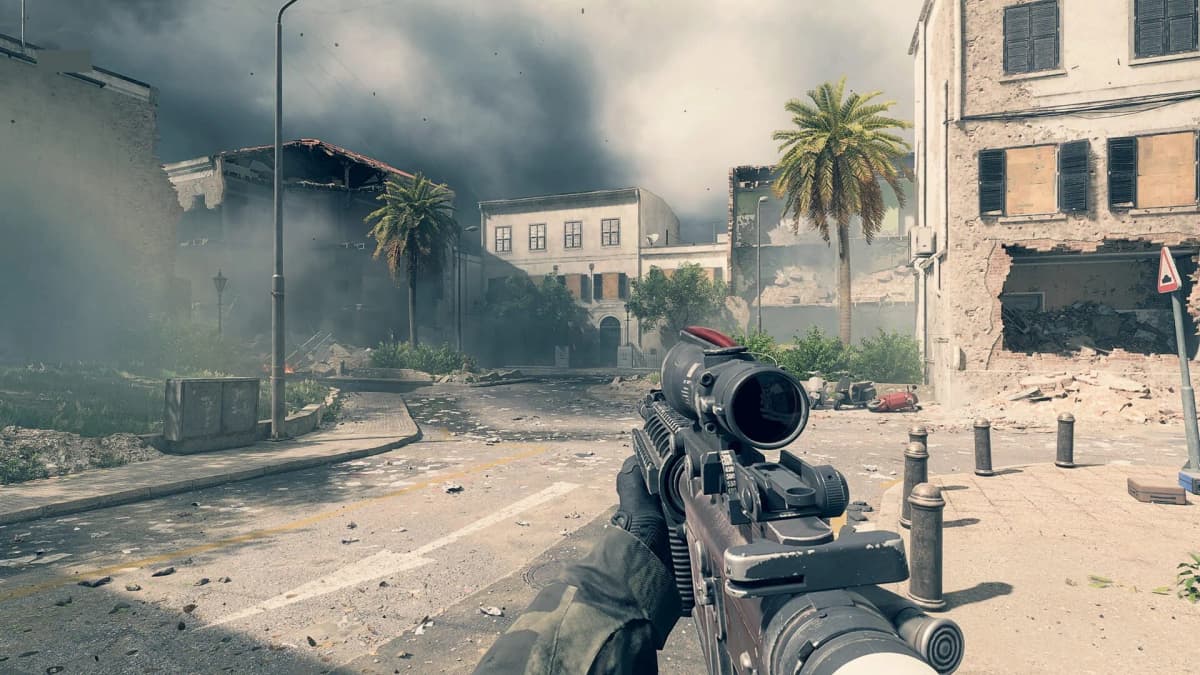
The real test is whether this creates cleaner fights, not just longer patch notes
The cynical read is easy: Battlefield 6 needed a system shakeup, so now DICE is selling clarity as a feature after shipping confusion. There is truth in that. But there is also a more useful read. This overhaul targets the right pain points. Standardized damage math, less extreme location variance, smarter repair scaling, and clearer counterplay are exactly the sort of changes you make when you stop chasing abstract “sandbox depth” and start fixing the reasons players bounce off the sandbox in the first place.
What most coverage will flatten into “tanks are being rebalanced” is actually a bigger design statement. DICE is trying to reduce the number of invisible asterisks attached to every armored engagement. That is overdue. Battlefield has always been at its best when the chaos feels interpretable. Not fair in the sterile esports sense. Fair in the Battlefield sense, where you die to something nasty but immediately understand what happened and what you should have done differently.
If Season 3 lands and tank duels still feel arbitrary, or if Engineer stacking still nullifies focused anti-vehicle play, then this patch will amount to clever wording around the same old irritation. But on paper, this is one of the first Battlefield 6 updates in a while that sounds like it comes from actual friction in live matches instead of roadmap housekeeping.
What to watch on May 12
- Whether the new three-hit anti-tank expectations hold consistently across common vehicle matchups, not just in ideal test cases.
- How quickly repair effectiveness drops during sustained fights, and whether the game communicates that clearly enough for both vehicle crews and attackers.
- Whether multiple Engineers still make armor feel effectively unkillable in coordinated squads.
- How tanks perform on the reworked Golmud map, where vehicle sightlines and maneuver space should expose any lingering balance nonsense fast.
- Whether DICE follows this with data or hotfixes instead of letting obvious outliers sit for weeks.
That last point is the one that really matters. Season 3 looks like DICE finally identified the right problems. Now it has to prove it can tune them in public instead of writing another apology through patch notes.
FinalBoss // Gear
Level up your setup
01Top-rated gaming headsetson Amazon→02High-refresh gaming monitorson Amazon→03Gaming chairson Amazon→04Discounted game keyson Kinguin→Affiliate links · As an Amazon Associate, FinalBoss earns from qualifying purchases.
Want to Level Up Your Gaming?
Get access to exclusive strategies, hidden tips, and pro-level insights that we don't share publicly.
Ultimate Gaming Strategy Guide + Weekly Pro Tips