
Table of Contents (5)
I got excited for Battlefield 6’s roadmap, and then I got annoyed at myself
The moment I saw Battlefield 6’s roadmap talking about remade maps, naval warfare, ranked play, persistent servers, a proper server browser, platoons, spectator mode, and proximity chat, my first reaction was pure fan-brain dopamine. Wake Island? Bigger legacy-inspired battlefields? Carriers and rough seas? That hits me right in the part of my brain that still remembers losing entire weekends to Battlefield 3 and Battlefield 4.
My second reaction was a lot less flattering. Why am I supposed to celebrate the return of things Battlefield should never have drifted away from in the first place?
That’s my problem with this roadmap. On paper, it’s fantastic. I mean that sincerely. It sounds more like Battlefield than a lot of Battlefield has sounded in years. But it also repeats a pattern I’m getting really tired of: launch with a shaky identity, spend months bleeding goodwill, then roll out a roadmap full of old ideas and basic community features like they’re heroic acts of generosity. It’s the same rehabilitation arc dressed up as momentum.
I care about this more than I probably should, because Battlefield has never just been another shooter to me. I’ve been with this series long enough to remember when its magic wasn’t a bullet point on a seasonal roadmap. It was just there. It was baked into the thing. The scale, the lanes of chaos, the vehicle mind games, the recognizable servers, the stupid proximity moments, the sense that 64 players were creating stories instead of merely feeding a live-service treadmill. When Battlefield is good, it doesn’t feel like a content calendar. It feels like a war story generator.
The roadmap is exciting because it finally speaks the right language
I’m not going to do the fake-contrarian thing and pretend the announced roadmap doesn’t sound great. It does. In fact, the reason this whole situation irritates me is because the roadmap is smart enough to expose exactly what has been missing.
Recent coverage has framed the plan as a strong push toward longtime fans, and I understand why. Returning maps inspired by classics like Golmud Railway, Cairo Bazaar, and Wake Island aren’t just nostalgia bait if they’re handled well. They’re reminders of a design philosophy Battlefield used to understand instinctively: readable fronts, room for vehicles to matter, infantry spaces that still feel tense instead of claustrophobic, and memorable landmarks that turn each round into a story you can actually retell later.
The naval warfare angle especially gets me. Battlefield used to thrive when it embraced full-spectrum sandbox warfare instead of trying to look trendy. Battlefield 4’s Naval Strike content knew exactly what made that fantasy sing. Boats, carriers, chokepoints, shoreline pressure, the constant shift between open exposure and hard cover-those matches had an identity. If Battlefield 6 really leans back into that with dynamic waves and carrier-heavy combat, that’s not some tiny side feature. That’s the series remembering one of its best tricks.
And then there are the features that should make every veteran nod in immediate approval.
- Persistent servers and a real server browser help communities exist for more than one disposable queue.
- Platoons give squads an identity beyond a party invite.
- Leaderboards and spectator mode tell competitive players the game takes itself seriously.
- Proximity chat gives Battlefield back some of its unpredictable human chaos.
- Ranked play offers structure for players who want more than casual mayhem.
I play a lot of competitive games outside shooters, including fighters, so I’m allergic to sloppy infrastructure. Good systems matter. Spectator tools matter. Clear progression of skill matters. Server identity matters. The social scaffolding around a multiplayer game is not optional decoration. It’s the reason people stick around after the novelty fades. Battlefield’s best years weren’t built on trailers. They were built on players finding their server, their squadmates, their clan, their rituals, and their grudges.
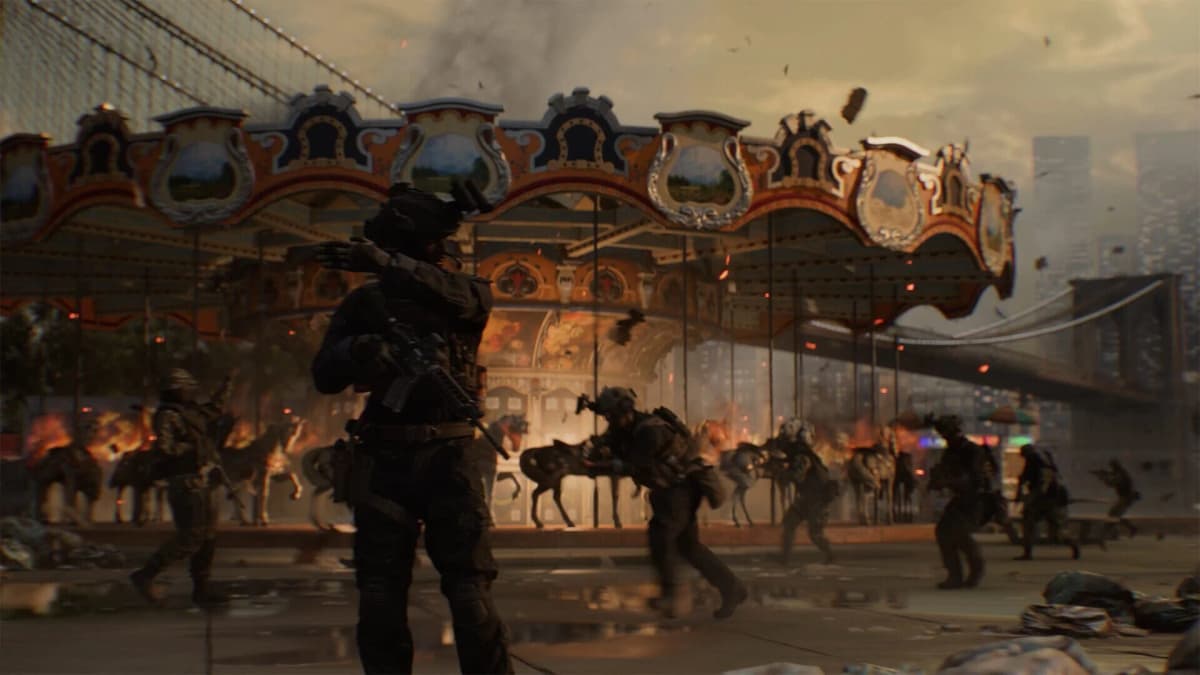
So yes, I look at this roadmap and see a version of Battlefield 6 that I genuinely want to play. That’s not the issue. The issue is that I also see a company once again trying to win applause by restoring the soul of the series in stages.
This is the familiar pattern, and I’m tired of pretending it’s a comeback story
Battlefield has been trapped in this loop for too long. A new entry arrives with a bold identity pitch, some features missing or compromised, and a weird sense that the developers and publishers are only halfway willing to trust what Battlefield actually is. Then the audience pushes back. Hard. Then comes the slow pivot. Then the roadmap. Then the legacy maps. Then the quality-of-life repairs. Then the “we’re listening” phase. Then, finally, months or a year later, people start saying the game is good now.
I’ve lived through too many versions of this to clap on command. Battlefield 4 eventually became excellent, but it had to claw its way out of an ugly launch first. Battlefield V spent a ridiculous amount of time feeling like it was fighting with its own audience over tone and direction. Battlefield 2042 practically turned post-launch support into a public exercise in admitting the old formula worked better than the identity it shipped with. Classes came back. The scoreboard drama became embarrassing. Core expectations had to be rebuilt after the fact. That was not reinvention. That was expensive backtracking.
That’s why Battlefield 6’s roadmap makes me feel two things at once: hope and déjà vu. Hope, because the announced features are smarter than the franchise’s recent instincts. Déjà vu, because I’ve seen EA and DICE realize late that Battlefield fans were not asking for radical detours as much as they were asking for Battlefield to stop forgetting why it mattered.
This is where I draw the line: if server browsers, persistent servers, platoons, and large-scale sandbox spectacle are roadmap headlines rather than launch assumptions, something has already gone wrong upstream. Those are not luxury items. Those are not stretch goals. Those are foundational pieces of the fantasy.
The roadmap also risks repeating live-service’s dumbest habit: drip-feeding the obvious
There’s another reason I’m not ready to treat this roadmap like a triumphant turning point. A roadmap is not content. A roadmap is a promise, and modern shooters have become addicted to using promises as a substitute for momentum.
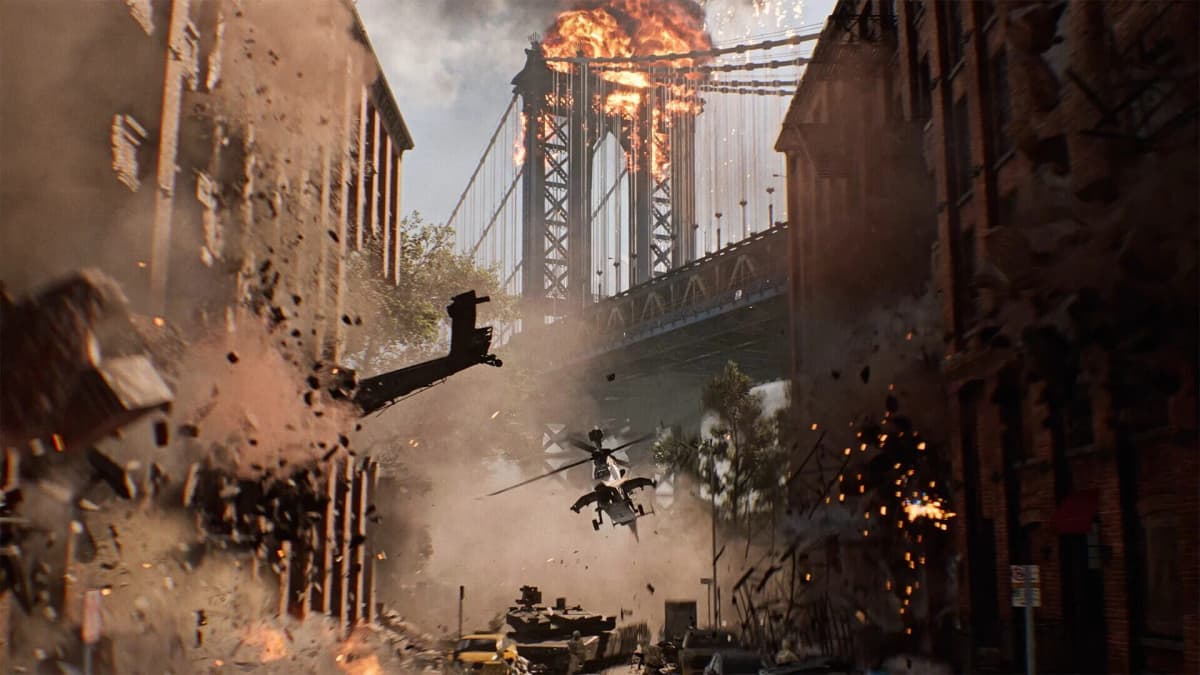
Some recent reactions to Battlefield 6’s seasonal structure have already zeroed in on the problem. Depending on how these updates land, this roadmap is either a genuinely smart year of support or another example of the industry’s obsession with slicing good ideas into engagement pellets. That distinction matters. A lot.
If Wake Island, naval warfare, competitive tools, and community features arrive in a fragmented, stop-start cadence, the excitement evaporates. Lapsed players do not come stampeding back because a roadmap slide says good things are coming in pieces. They come back when there is a meaningful chunk of game waiting for them. Old Battlefield expansions understood this. Back to Karkand felt like an event. Close Quarters felt like an event. Naval Strike had a strong identity. Even when you didn’t love every map, you could feel the shape of the expansion. It had a point of view.
That’s what so many live-service shooters still don’t get. The audience doesn’t form long-term attachment to calendars. It forms attachment to eras. To moments. To updates that actually change the conversation. Drip-feeding a fanbase with tiny nostalgia spikes is how you turn excitement into background noise. It’s how a comeback gets flattened into routine maintenance.
And that’s before getting into the side-mode temptation. Ranked is smart. I get the appeal of battle royale options too. But Battlefield’s history has already shown that side bets do not save the franchise if the main sandbox isn’t being fed aggressively and coherently. Chasing every modern trend while the core game is still proving itself is how focus gets shredded. I don’t want Battlefield to become a buffet of half-supported lanes. I want the central all-out warfare experience to feel undeniable again.
What I actually want is simple: stop selling me Battlefield in installments
The older I get, the less patient I am with games that ask me to applaud corrective action like it’s innovation. That goes double for franchises I genuinely love. I’m not grading Battlefield 6 on a curve anymore. I’m not doing the “at least they listened” routine when the listening mostly leads them back toward decisions the series had already solved years ago.
I remember what Battlefield feels like when it trusts itself. I remember the rhythm of a good Rush match in Bad Company 2, the mayhem of Caspian Border, the bruising vehicle pressure on Golmud, the cinematic grime of Battlefield 1 when every push felt desperate and expensive. Those memories are why this roadmap works on me emotionally. It speaks directly to the version of Battlefield I want back.
But that emotional hit is exactly why I’m keeping my guard up. Nostalgia is doing heavy lifting here. Legacy maps, classic-style features, and long-requested tools are powerful because they remind fans of when the series felt confident. That doesn’t automatically mean Battlefield 6 has broken the cycle. It might just mean EA has gotten better at packaging the repair process.
There’s a huge difference between a roadmap that extends a strong foundation and a roadmap that apologizes for a shaky one. On paper, both can look exciting. In practice, only one creates lasting trust. The other creates another year of conditional optimism, followed by another round of “it’s good now” after the audience has already moved on.
I want Battlefield 6 to succeed. Not in the sterile quarterly-report sense. I want it to succeed because I miss having a Battlefield I can sink into without caveats, without asterisked praise, without the feeling that I’m waiting for the game to become itself three seasons from now. I want a Battlefield that doesn’t need a redemption arc as part of its brand identity.
FinalBoss // Gear
Level up your setup
01Top-rated gaming headsetson Amazon→02High-refresh gaming monitorson Amazon→03Gaming chairson Amazon→04Discounted game keyson Kinguin→Affiliate links · As an Amazon Associate, FinalBoss earns from qualifying purchases.
Want to Level Up Your Gaming?
Get access to exclusive strategies, hidden tips, and pro-level insights that we don't share publicly.
Ultimate Editor's Pick Strategy Guide + Weekly Pro Tips