
Table of Contents (6)
What this actually changes for players in 2026
Battlefield 6 is entering a “refine, not reinvent” year. Instead of new gimmicks, developer teams are promising targeted improvements: core gunplay tuning, balance passes, QoL fixes for multiplayer and Portal, and steady seasonal content for RedSec and traditional modes. This caught my attention because Battlefield’s live-service years have been a patchwork – when DICE and Ripple Effect fix the basics, the entire game feels alive again.
- Key takeaways:
- 2026 shifts from feature bloat to core gameplay and balance across multiplayer, RedSec, and Portal.
- Seasonal cadence (four 12-week seasons) with new maps, weapons, vehicles, and cosmetics – some behind a paid pass.
- Developer transparency: they shared 2025 engagement (1.7B matches, 383.5M hours) while teasing solo RedSec playlist tests.
- Skepticism warranted – netcode and anti-cheat promises are easy to post but hard to deliver consistently.
Breaking down the 2026 roadmap
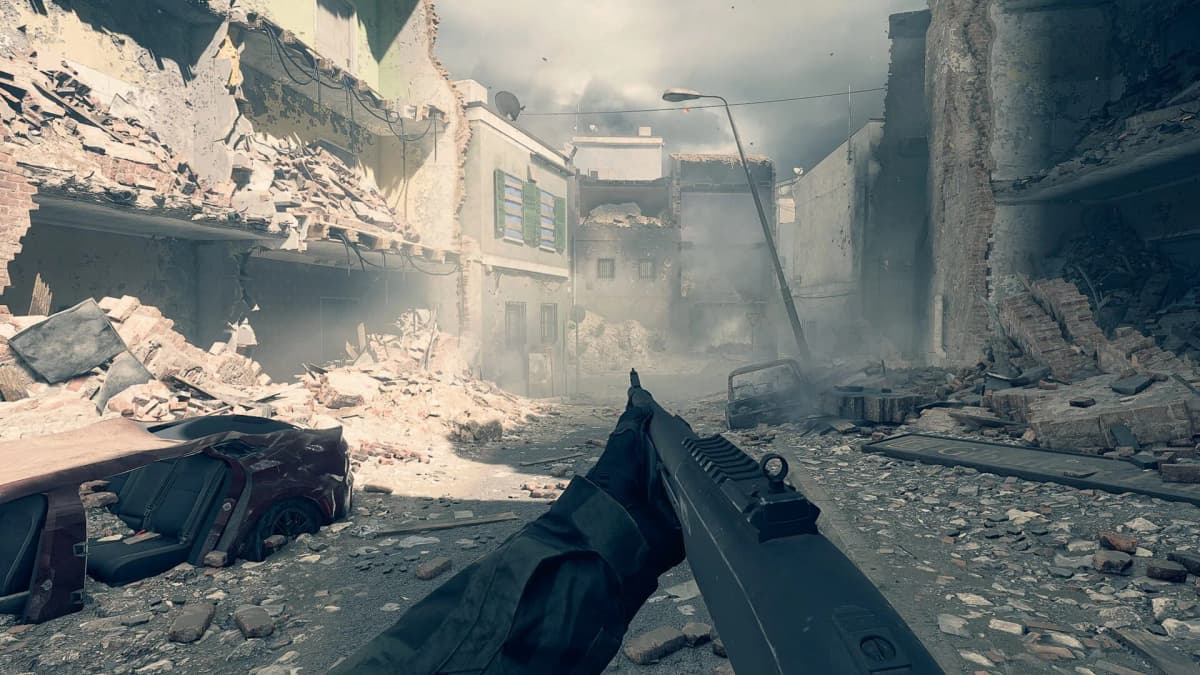
Battlefield Studios (DICE handling core netcode, Motive on maps, Criterion on campaign, Ripple Effect on live-service) laid out a quarterly plan. Season 1 (Phantom Strike) starts Jan 14 with new large-scale maps like Capstone Night Ops and Ripple Ridge, a handful of high-power weapons (hello, M107A1) and a long list of cosmetics and specialists. Seasons are modular: expect four specialists, two maps, and a dozen weapons per season — the usual live-service rhythm with a battle pass leaning.
Crucially, the team is prioritizing balance and QoL over flashy new modes. That means ongoing gun tuning, netcode tweaks (a stated aim to cut peeker’s advantage), and platform parity promises. They also confirmed seasonal RedSec updates and a plan to spin RedSec into a standalone free client by October — big for BR players who only show up for that mode.
Why this matters now
After Battlefield 2042’s shaky launch and the industry’s habit of launching live-service shooters with systems still half-baked, a year of basic improvement is exactly what players wanted. The shared 2025 numbers — 1.7 billion matches and 383.5 million hours — show people are playing, but retention only sticks if the core systems feel right. Fixes to hit registration, weapon TTK, and consistent cross-platform performance could turn casual spikes into long-term communities.
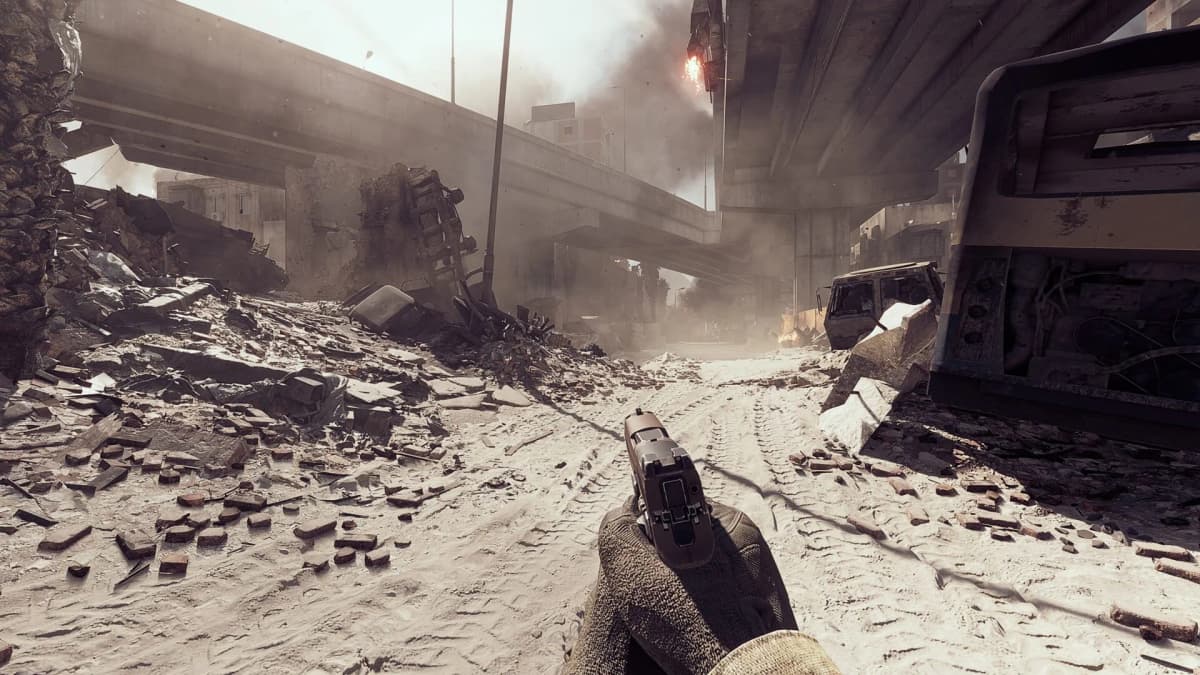
That said, promises on netcode latency and anti-cheat are easy to announce and much harder to execute. I’m cautiously optimistic: DICE’s focus on measurable targets (e.g., reducing peeker’s advantage, aiming for higher stable FPS on Series X) is a step forward — but we’ll judge them by the March/April patches, not marketing copy.
What gamers should do now
- Try the Labs playtests — they hand out early meta and cosmetic rewards and show how balance will land.
- If you care about RedSec, prepare for a solo playlist trial and the eventual free standalone client in October.
- Be wary of FOMO on paid editions and battle passes — the cosmetic economy is alive, but core modes will remain free for most players.
- PC players: expect a renewed mod scene and keep an eye on anti-cheat updates; mod communities will push creativity but also attract bannable exploits.
The competitive and community picture
Battlefield is leaning into both esports and casual retention: planned Q2 RedSec tournaments with sizable prize pools aim to professionalize the BR scene, while remastered legacy maps and seasonal lab weekends will keep grinders engaged. If netcode improvements land, Battlefield could outpace contemporaries in long-term retention — but only if matchmaking, anti-cheat, and cross-progression aren’t an afterthought.
TL;DR — Should you care?
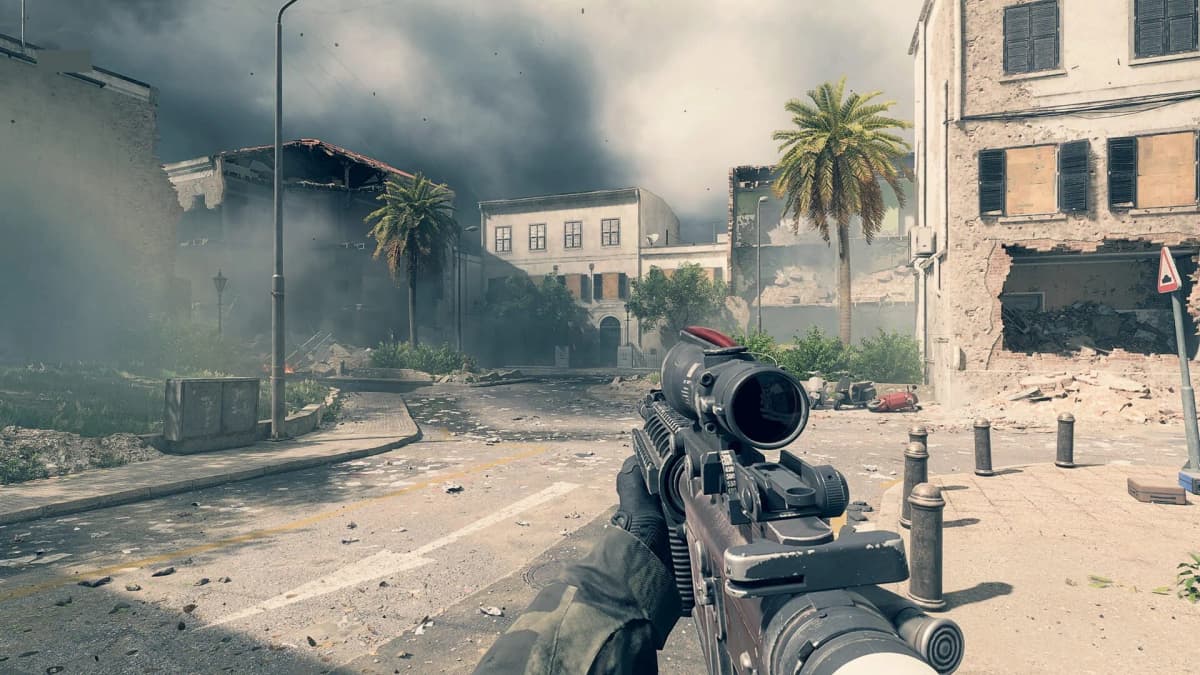
Yes, but with caveats. Battlefield 6’s 2026 plan is the right move: fewer flashy add-ons, more fixes to the systems that determine whether matches feel fair. If DICE and partners hit their netcode and balance targets, 2026 could be the year Battlefield stops being a buggy spectacle and becomes a durable competitive shooter again. If they don’t, the seasonal content and cosmetics will paper over the same problems we’ve seen before.
FinalBoss // Gear
Level up your setup
01Top-rated gaming headsetson Amazon→02High-refresh gaming monitorson Amazon→03Gaming chairson Amazon→04Discounted game keyson Kinguin→Affiliate links · As an Amazon Associate, FinalBoss earns from qualifying purchases.
Want to Level Up Your Gaming?
Get access to exclusive strategies, hidden tips, and pro-level insights that we don't share publicly.
Ultimate Gaming Strategy Guide + Weekly Pro Tips