
Battlefield 6 Season 3 is doing something the game badly needed months ago: making vehicle combat readable again. Not easier. Not softer. Just less random, less messy, and a lot more honest about what killed you, why your tank suddenly felt useless, and how infantry are actually supposed to fight back. That matters more than the patch-note jargon, because Battlefield’s vehicle game lives or dies on clarity. If players can’t tell whether a tank is durable, broken, repairable, or already one rocket away from becoming scrap, the whole sandbox turns into noise.
The headline change is DICE standardizing how vehicle damage works across the board. Most anti-tank tools are being tuned around clearer breakpoints, with the broad goal that many of them now need three hits instead of a roulette wheel of damage outcomes based on odd hit-location quirks. Hit-location variance is being reduced, repair and regeneration timing is changing, vehicle health and handling are being adjusted, and Engineer loadouts are being reshaped so counterplay is more intentional. That is the real story here: DICE is trying to replace vehicle chaos with a system players can actually learn.
Table of Contents (5)
This is less a balance patch than an admission the old system was muddy
Most coverage will tell you Season 3 “transforms” vehicle damage and repairs. True enough. But the more important read is that DICE is effectively admitting the previous setup wasn’t producing satisfying fights. When developers start talking about “consistency,” “readability,” and “calculated risks,” that usually means players have spent weeks or months losing to systems they couldn’t reliably parse.
That has been one of Battlefield 6’s broader problems since launch. The game came out hot, sold hard, and then started shedding momentum as players ran into the usual live-service attrition loop: not enough meaningful post-launch wins, too much friction in core multiplayer, and a sense that some priorities sat somewhere other than fixing the sandbox. Vehicles were part of that frustration. Not because tanks being strong is inherently bad – Battlefield without dangerous vehicles is just a louder infantry shooter – but because strong is fine and arbitrary is not.
If a rocket hit feels wildly different depending on opaque armor zones, angle weirdness, or hidden modifiers that casual players will never internalize, the outcome stops feeling tactical. It starts feeling fake. DICE seems to understand that now. Standardized damage thresholds give both vehicle crews and infantry something Battlefield has always needed more than another gadget: reliable expectations.
Engineers are no longer just the cleanup crew
The other important shift is what this does for Engineers. Vehicle overhauls are never just about tanks. They are really about class relevance. If repairs, survivability, and anti-armor pressure are all being reworked together, then DICE is trying to make Engineers central to objective control rather than just the guy jogging behind armor with a blowtorch and a bad life expectancy.
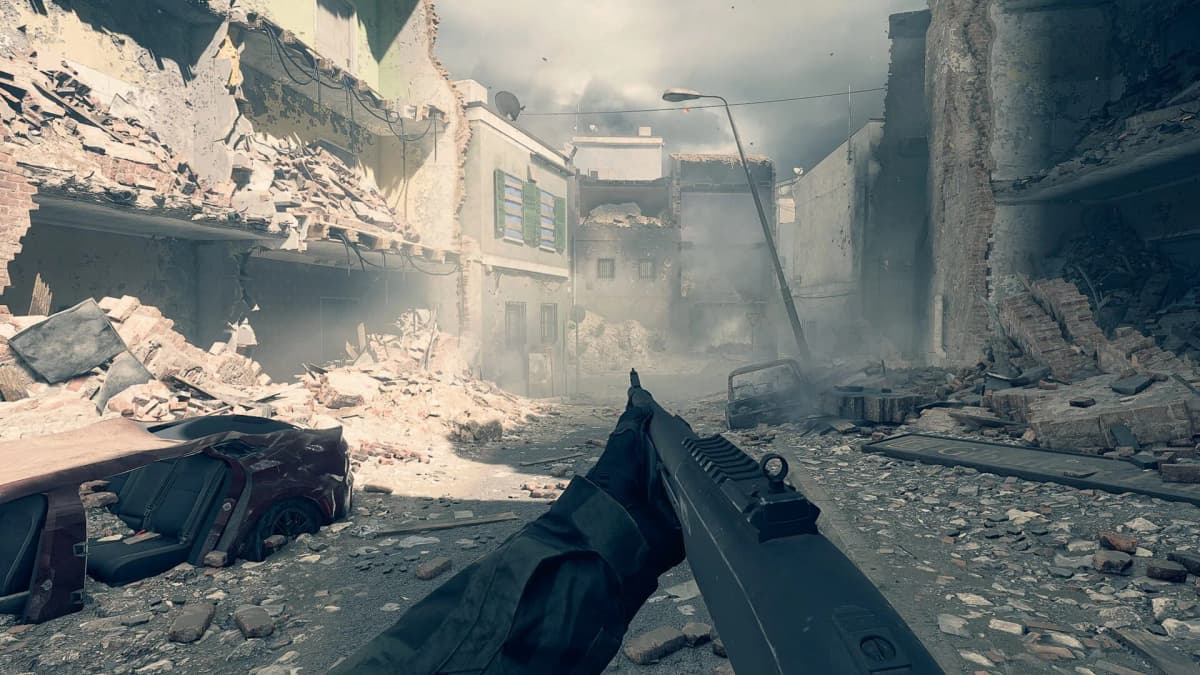
That is smart design, assuming DICE sticks the landing. Battlefield has repeatedly drifted into the same trap across multiple entries: vehicles either become farm machines when infantry tools feel unreliable, or they become expensive coffins when anti-armor options stack too easily. The sweet spot is not “perfect fairness.” It is interdependence. Armor should need support. Infantry should need coordination. Engineers should be the hinge between those two facts.
Season 3’s loadout adjustments point directly at that philosophy. DICE wants teams with Engineers and deliberate anti-vehicle choices to contest ground in a controlled way, rather than hoping a blob of explosives eventually solves the problem. That sounds obvious, but Battlefield has often struggled to preserve that triangle once live balancing starts. One overperforming launcher, one overtuned repair loop, one too-forgiving vehicle regen rate, and the whole thing slides out of shape fast.
The uncomfortable question DICE still has not fully answered is how punishing this system will feel for average players versus organized squads. Clearer rules are good. But if effective counterplay requires tight Engineer coordination while solo vehicle crews still get to brute-force public lobbies, then “readability” will mostly benefit the top end. That is not meaningless, but it is not the same as fixing the sandbox for everyone.
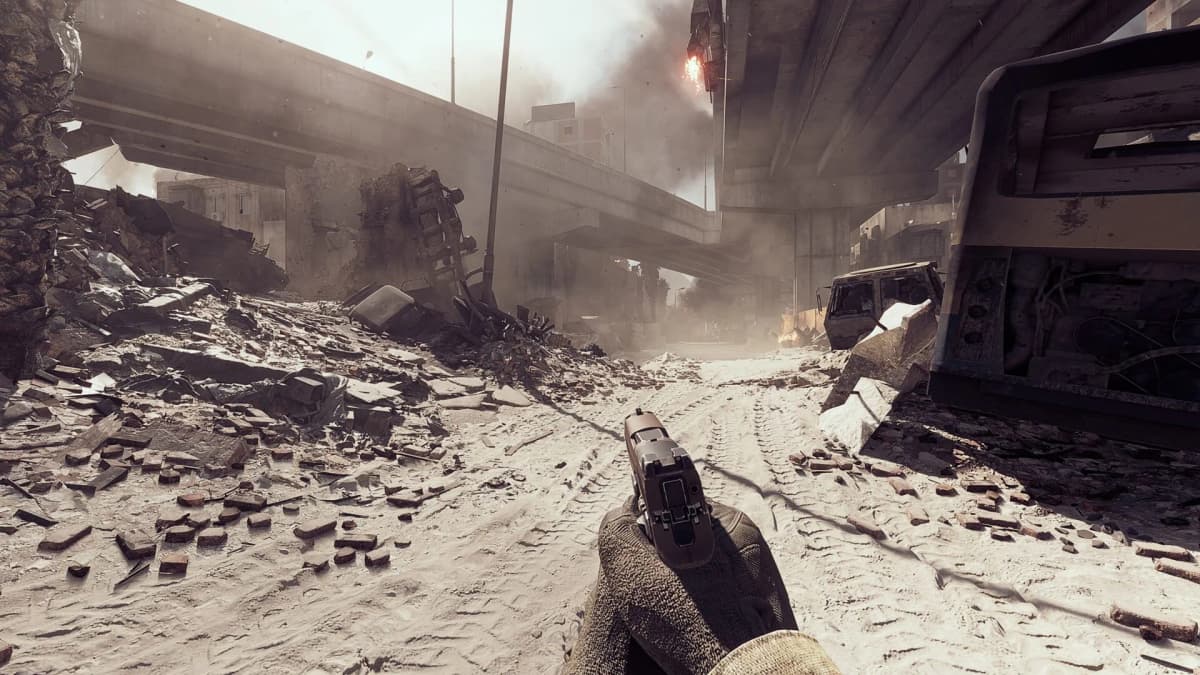
Golmud’s return makes this change impossible to hide
Season 3 is also bringing back Golmud Railway in reworked form, now framed as one of Battlefield 6’s biggest maps and expanded to better accommodate infantry, vehicles, and air play. That is not just nostalgia bait, though yes, obviously it is also nostalgia bait. It is a stress test.
Big open spaces expose bad vehicle design faster than almost anything else. On tighter maps, awkward armor balance can be disguised by choke points, vertical cover, and sheer player density. On a map built around long sightlines, roads, open lanes, and vehicle movement, every weakness in damage modeling gets dragged into daylight. If tanks feel too safe, players will know in an hour. If Engineers still cannot apply consistent pressure, players will know in an hour. If air and armor become oppressive because the revised handling or health values overshoot, players will know before the first weekend is over.
There is a reason this matters now. DICE is not patching in a vacuum. Battlefield 6 needs credible reasons for lapsed players to believe the team understands the game’s actual pain points. A cleaner vehicle sandbox on a map famous for vehicle warfare is about as direct a statement as they could make. It says: fine, let’s test this where everyone can see it.
The bet is that consistency will feel deeper, not simpler
Some players will hear “standardized damage” and worry DICE is flattening the sandbox. That concern is real. Battlefield has always thrived on asymmetry, edge cases, and those moments where terrain, angle, timing, and class choice create a story instead of a spreadsheet. Over-sanitize that, and vehicle combat starts feeling clinical.
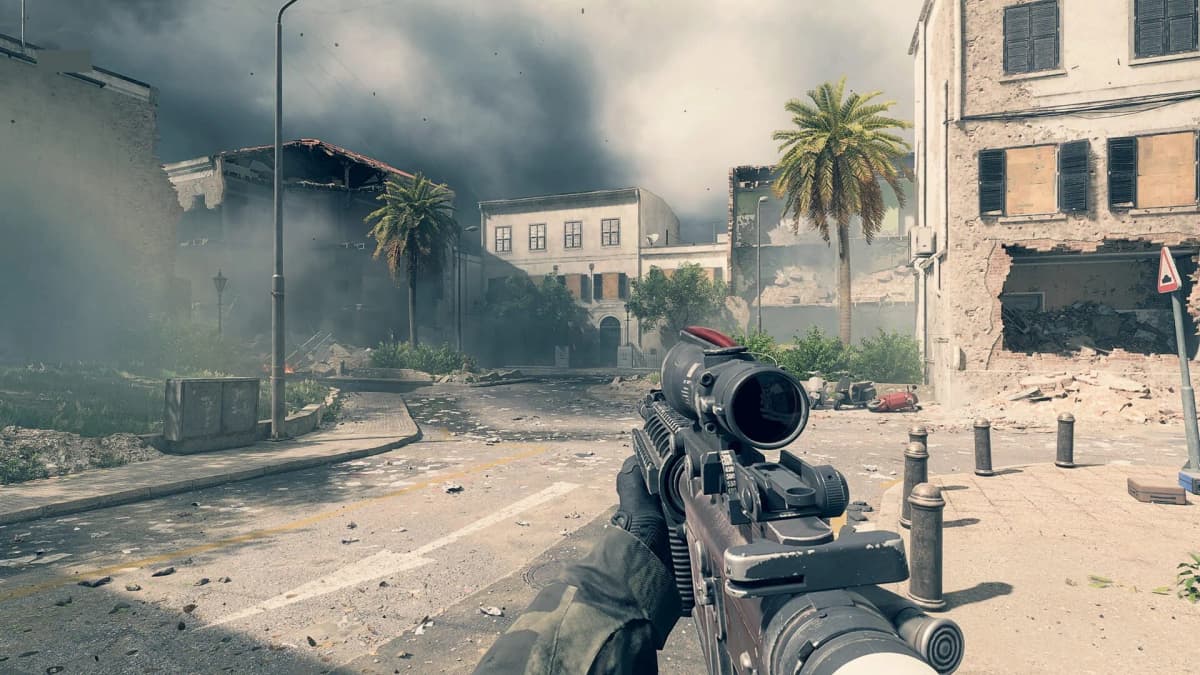
But DICE appears to be making a more defensible bet: less randomness at the input level creates more decision-making at the tactical level. If players know what three clean anti-tank hits actually mean, they can plan around movement, repair windows, support roles, and positioning. If crews know what damage they can absorb and when retreat matters, they take risks more deliberately. That is where the phrase “calculated risks” actually earns its keep, for once.
The danger is in the details nobody should let slide. How fast does regeneration kick in now? How much survivability are tanks gaining relative to launcher availability? Have guided weapons and Engineer gadgets been tuned to create counterplay, or just friction? Does improved tank responsiveness make armor feel skillful, or merely more oppressive in experienced hands? Those answers will matter a lot more than the marketing line about a “transformed” vehicle meta.
What to watch when Season 3 goes live
Season 3 is scheduled for May 12, and the first two weeks should tell the real story faster than any trailer or dev blog. There are four things worth watching.
- Whether Engineer pick rates actually rise in normal public matches, not just among stacked squads.
- How often tanks survive first contact and successfully disengage, which will reveal whether repair and regen timings are too forgiving.
- Whether Golmud-style open combat produces more back-and-forth armor fights or just cleaner-looking steamrolls.
- How quickly DICE hotfixes outliers, because a good systemic rework can still be wrecked by one busted launcher, one dominant vehicle loadout, or one overperforming gadget.
The practical takeaway is simple. If you play Engineer, Season 3 is likely the first patch in a while that makes your role feel strategically central instead of merely useful. If you main vehicles, this is a patch that may reward discipline more than brute force. And if you have bounced off Battlefield 6 because the sandbox felt inconsistent, this is the update worth checking with your own hands. DICE is finally trying to make the game’s combined-arms logic legible again. That should have been there from the start, but late is still better than never.
FinalBoss // Gear
Level up your setup
01Top-rated gaming headsetson Amazon→02High-refresh gaming monitorson Amazon→03Gaming chairson Amazon→04Discounted game keyson Kinguin→Affiliate links · As an Amazon Associate, FinalBoss earns from qualifying purchases.
Want to Level Up Your Gaming?
Get access to exclusive strategies, hidden tips, and pro-level insights that we don't share publicly.
Ultimate Gaming Strategy Guide + Weekly Pro Tips