

Bayaya: First Impressions of the Czech Fairytale RPG That Breaks the Mold
Game intel
Bayaya
A relaxing fairy-tale life sim and story-rich adventure in a colorful wooden-toy world.
Bayaya’s Gameplay Reveal: Why This Quirky RPG Stands Out
When Orbis Fabula dropped Bayaya’s first in-depth gameplay showcase, it instantly piqued my curiosity-and not just because I’m a sucker for anything left-field in the RPG scene. Bayaya isn’t just another indie pixel nostalgia-fest or a procedural “infinite” sandbox. Instead, it’s a hand-crafted, toybox world based on Czech folktales, built by a team with real RPG pedigree (we’re talking ex-ARMA here). That’s enough to snap any jaded gamer to attention-but as always, there’s more to the story than just whimsical visuals.
- The fairytale setting isn’t just for looks: Choice-driven storytelling is at the core.
- Modding support could turn Bayaya into a real creative playground.
- Ondřej Španěl (ex-lead ARMA developer) brings simulation chops, but can he nail narrative charm?
- Toy-like visuals set a deliberately slower, more contemplative pace.
Breaking Down the Gameplay Reveal
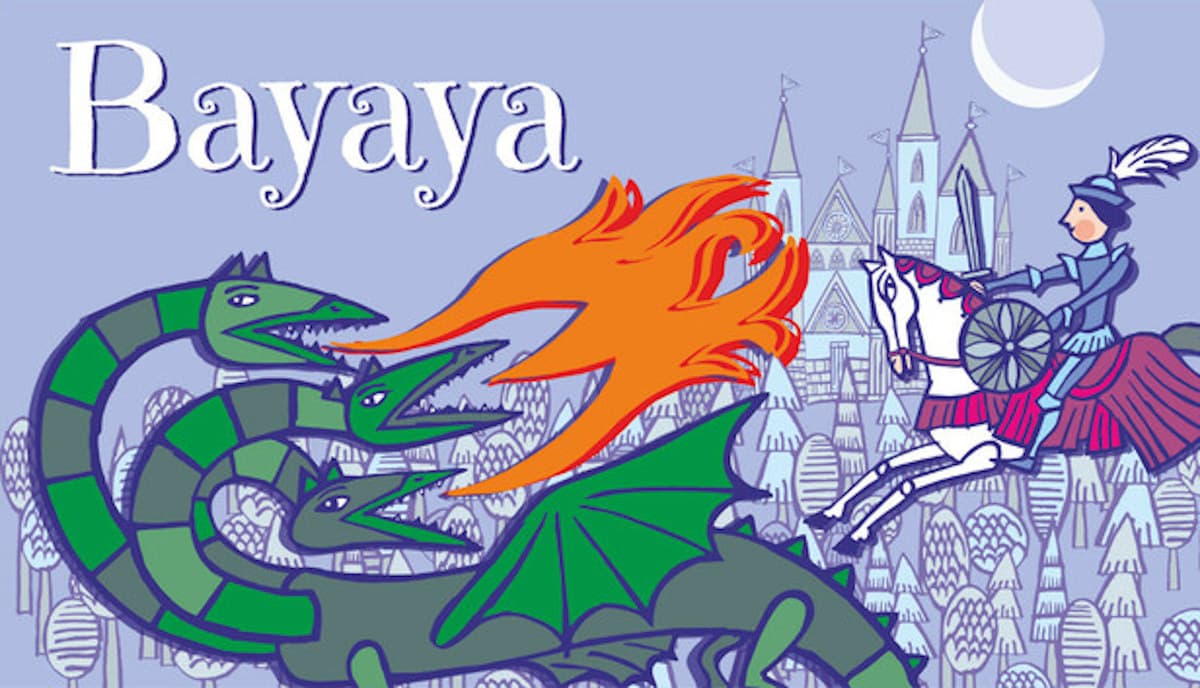
Fifteen minutes isn’t much, but what struck me most about Bayaya’s demo is just how far removed it feels from the latest big-budget open worlds. Gone are the endless markers, quest compasses, and overbearing UI. Instead, you’re in a hand-crafted world that genuinely looks like a child’s playset come to life. Wooden figurines, painted sets, and a kind of deliberate, welcoming clunkiness that calls to mind everything from Neverhood to early LittleBigPlanet. No photorealism, just honest charm.
The gameplay video leans hard into showing off how the world reacts to small player decisions-swapping dialogue choices, deciding who to help, and even altering the outcomes of tiny tasks. It’s early days, but if Bayaya can keep this “your story, your way” ethic going throughout, it could finally offer the freedom recent “choice-driven” RPGs promise but rarely deliver. We’ve all been burned by games boasting “every decision matters” that boil down to a few colored endings. Is Bayaya the one that breaks the curse?
The Influence of Czech Folklore—And Why That Matters
Bayaya is leaning heavily on its Czech roots, with lore and style inspired by local fairytales. As someone tired of seeing the same medieval fantasy tropes endlessly recycled, this is refreshing. These stories tend to be more ambiguous than your Disney-fied tales—morally gray, clever, a little bit dark around the edges. That atmosphere comes through in small visual touches and in the way the gameplay seems to embrace messing with player expectations.
Plus, it’s not every day that a studio bases their whole design on cultural heritage instead of the usual pillars of Tolkien and D&D. Orbis Fabula’s daring to stick with the local, even if it might limit immediate international recognition. That’s often a recipe for cult status—if they pull it off.
Modding Dreams and Immersive Sim Ambitions
Here’s where longtime ARMA fans (or sandbox nerds like me) will perk up: Bayaya’s creators promise robust modding support. If you remember the wild days of ARMA mods and what that community could do, you know that even a modest toolkit in the right hands can turn a niche release into a scene. For comparisons, remember Project Zomboid’s thriving DIY community or how Skyrim became an entirely different beast once mods took over. If Bayaya’s open design delivers, it could gain serious legs with creators—and that’s something even the prettiest RPGs can’t fake.
But with sandbox freedom comes the risk of spreading content thin or losing the heart of the story. The challenge for Orbis Fabula will be balancing narrative depth (which so many “immersive sims” promise, only to offer fetch quests in disguise) with enough gameplay flexibility not to feel restrictive. It’s a damn hard balance to strike, but if any studio can thread that needle, a team led by a programmer from ARMA’s glory years is a good bet.

Why This Matters for RPG Fans
Let’s be blunt: the RPG genre right now is split between sprawling, formulaic AAA releases and quirky indies that often lack polish or staying power. Bayaya looks to carve out a third path—one that offers narrative punch, a real sense of place, and gameplay mechanics that reward curiosity more than grinding. Whether it lives up to its ambitions is still an open question, but in a year of safe bets and sequels, anything genuinely new deserves attention.
TL;DR
Bayaya’s gameplay reveal isn’t just another indie showcase—it’s a peek into a world that’s both handcrafted and wide open for player creativity. The Czech folklore setting and moddability aren’t gimmicks; they could set the game apart for anyone hungry for more than another RPG reskin. Keep an eye on this one—if Orbis Fabula delivers, Bayaya could become 2025’s cult favorite RPG.