
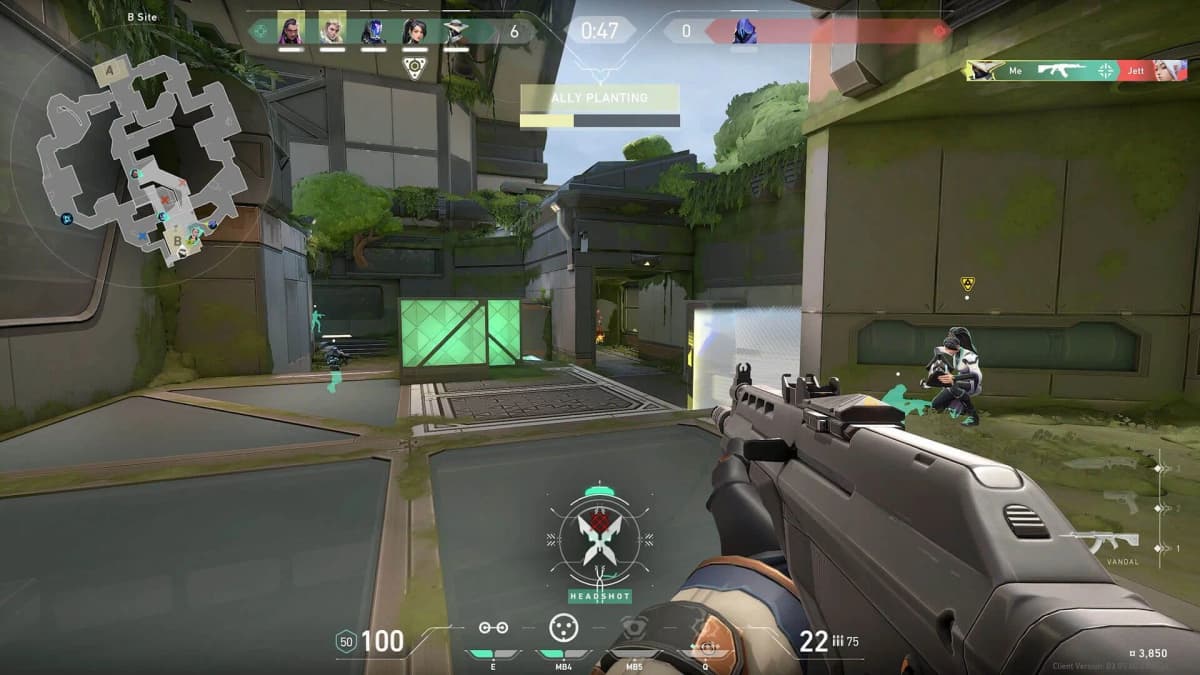
BBL’s rookies aren’t starstruck – Lar0k says regional form will carry them into Masters Santiago
There’s a predictable story at every international VALORANT event: veteran teams swagger in, rookies look around the green room, and nervousness eats into their first series. BBL Esports want none of that script. Yusuf “Lar0k” Kanber, the 18‑year‑old duelist who helped BBL’s former PCIFIC core run the table at VCT EMEA Kickoff, has been blunt: they aren’t here to be intimidated – they’re here to repeat the performance that made them regional champions.
Table of Contents (7)
Key takeaways
- BBL Esports qualified as EMEA’s first seed after a perfect VCT EMEA Kickoff run; Lar0k says this confidence is earned, not bravado (Esports Insider).
- The roster’s continuity – the PCIFIC-to-BBL signing — is a practical advantage: they’ve played together through promotion, ascension and now the global stage.
- Masters Santiago is awash with debutants (FURIA, All Gamers, Gentle Mates) and young talent across regions, so BBL’s “rookie” label is less meaningful than cohesion and match experience.
- Outside factors — bracket draws, map pools, and in‑game leadership — will determine if regional form translates; keep an eye on Rosé’s IGL calls and Lar0k’s duelist matchups.
Why continuity matters more than hype
BBL didn’t assemble a highlight reel of free agents; Riot’s partner‑team PCIFIC stayed intact, was signed by BBL, and brought the whole unit to the VCT. That continuity is the point Lar0k keeps returning to: “I know that we seem like five rookies, but we’re not really like five rookies,” he told Esports Insider. It’s an important distinction. Rookies with two months together are different from rookies who climbed a ladder as a unit and won an Ascension trophy.
History in VALORANT (and esports at large) teaches that chemistry is the quiet, underrated advantage. Teams with micro‑automations — the awkward but crucial mid‑round calls, the trade timings, the unspoken rotations — beat flashy individual talent more often than fans admit. BBL are banking on those tiny, repeatable things.
The uncomfortable observation nobody in PR will lead with
Confidence is not a guarantee. Masters Santiago’s opening draw and Swiss stage already shuffled storylines: established names like NRG and G2 had to fight for playoff slots (they eventually secured them), and the bracket favors teams that adapt quickly to unfamiliar opponents and maps. Saying “we’ll play the same way” works until an opponent breaks your map economy or neutralises your duelist. Lar0k’s conviction matters — but so do patch context and in‑series adaptability.
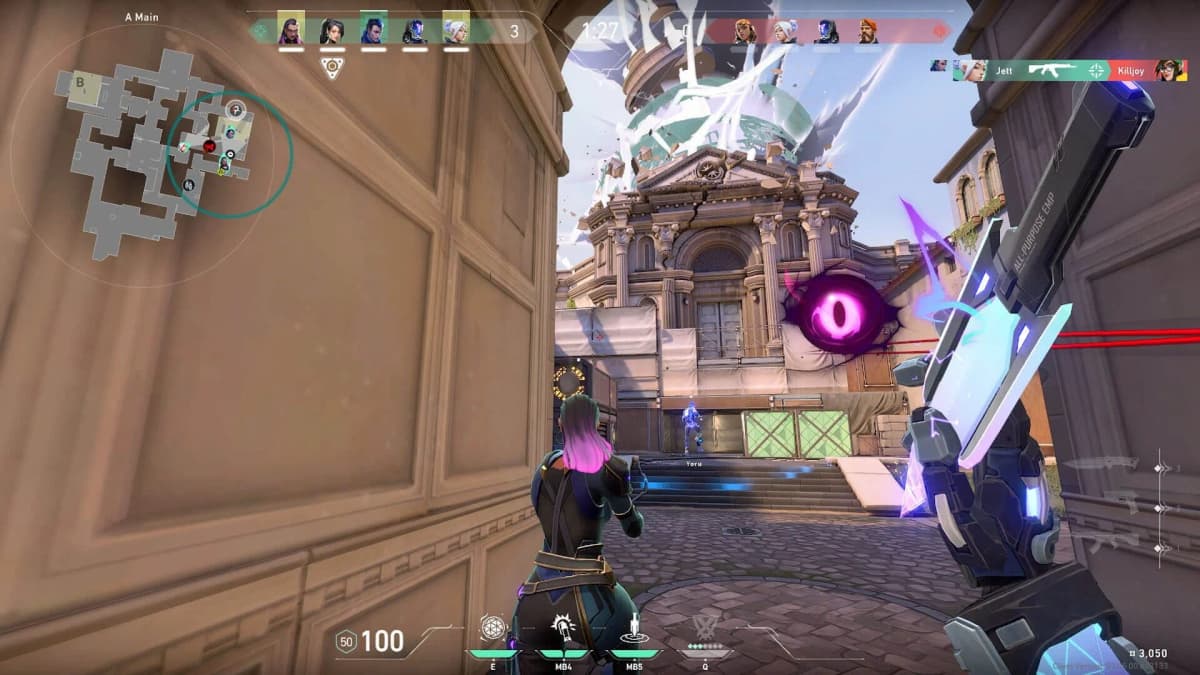
Rookie wave, regional shakeups, and why this Masters feels different
Masters Santiago isn’t just BBL’s coming‑out party. The event has an unusual number of first‑time international teams: FURIA, All Gamers, Gentle Mates and BBL are all carrying rookie labels into Santiago. That makes the tournament less about linear experience and more about which young cores have real competitive infrastructure behind them.
Across regions, organisations are investing in youth — LOUD’s recent signing of 18‑year‑old IGL Roberto “erde” Lobos in the Americas is a parallel example of this trend. These teams are betting that early exposure and scrim ecosystems will accelerate development faster than slow seasoning on the Challenger circuit.
The question I’d ask their PR rep
“You beat Vitality and Fnatic in EMEA — how specifically did those wins change your prep for international opponents?” It’s the difference between confidence and overconfidence. I want to know if BBL have studied region‑specific styles (Americas’ aggression, Pacific’s map discipline) or if they plan to lean on the same toolkit that tore through EMEA.
What to watch — measurable signs this rookie run is real
- Lar0k’s ACS and opening duel win rate against top Jett/Chamber players — early indicators of whether his regional aim holds under pressure.
- IGL Eren “Rosé” Erzan’s mid‑round calls and timeout usage in series where BBL fall behind early. Can the team reset discipline under duress?
- Map adaptability: can BBL switch strategies on defense after losing a pistol round? Masters’ Swiss bracket rewards quick learning.
- Broader tournament signals: whether Riot debuts the next agent (Agent 30) at the finals — a wild card that could change meta assumptions mid‑event.
- Dates: Masters Santiago runs Feb 28-Mar 15; Playoffs Mar 6-15 (Esports Insider).
TL;DR
BBL Esports’ core is young but battle‑tested together — Lar0k’s blunt confidence matters because it’s backed by continuity and an unbeaten regional run (Esports Insider). That gives BBL a real shot at surviving the chaos of Masters Santiago, but translating EMEA dominance into international cash requires in‑series adaptability, map diversity and IGL poise. Watch Lar0k’s duel stats and Rosé’s reset calls — they’ll tell you whether this rookie story is a flash in the pan or a genuine upset campaign.
FinalBoss // Gear
Level up your setup
01Top-rated gaming headsetson Amazon→02High-refresh gaming monitorson Amazon→03Gaming chairson Amazon→04Discounted game keyson Kinguin→
Affiliate links · As an Amazon Associate, FinalBoss earns from qualifying purchases.
Want to Level Up Your Gaming?
Get access to exclusive strategies, hidden tips, and pro-level insights that we don't share publicly.
Ultimate Gaming Strategy Guide + Weekly Pro Tips