
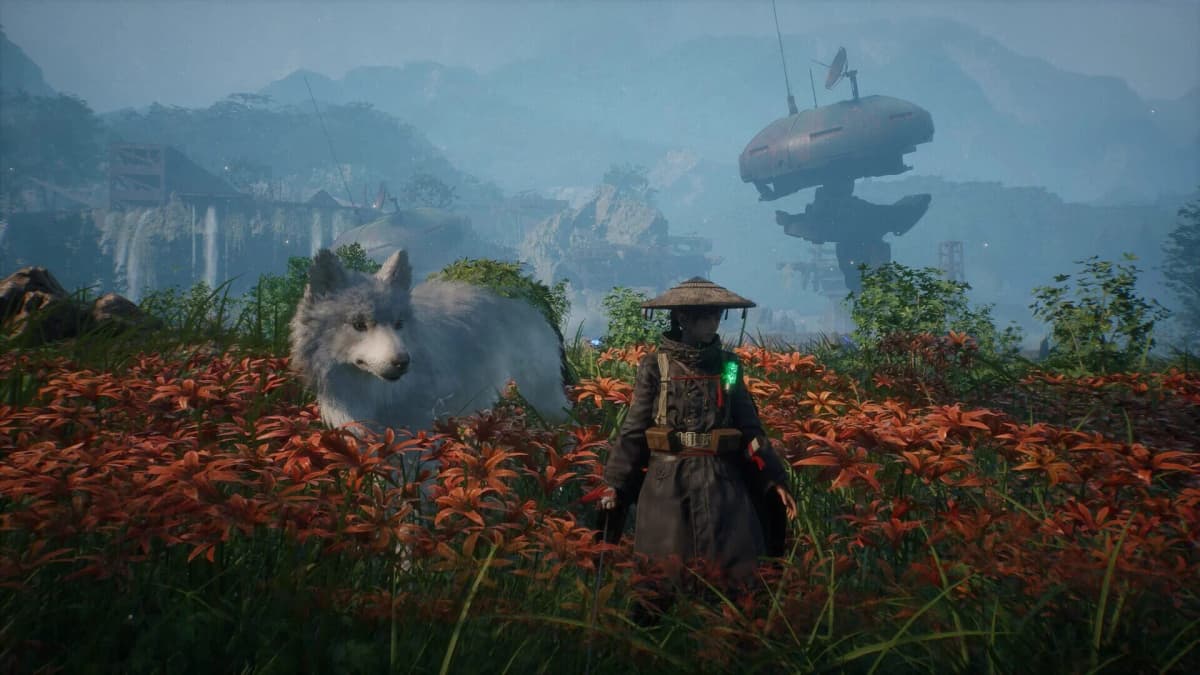
A parry mechanic earns its place when it changes the entire emotional temperature of a fight. It should turn panic into control, make an enemy’s most threatening swing feel like an invitation, and reward nerve rather than simply preventing damage. Beast of Reincarnation understands that basic truth better than most action RPGs. Its parries have weight, readable timing, and a satisfying offensive payoff. The problem is that the game keeps handing that excellent combat system the same homework.
My verdict is straightforward: Beast of Reincarnation is worth buying now for players who chase boss fights, value a clean parry rhythm, and want defense to feed directly into explosive offense. Everyone else should be cautious. Reused enemy patterns, repetitive chapter flow, and story scenes that interrupt momentum too often weaken a game that should have been a much fiercer statement.
Table of Contents (5)
The parry is the whole point, and it delivers
The best thing about Beast of Reincarnation is that it refuses to treat blocking as a safety blanket. Emma’s successful parries generate Florescence Points, which feed Koo’s Bloom Arts and help charge more of the combat kit. Weapon-specific latent abilities also benefit from that successful defensive play. Every clean read gives the player more options, more damage, and more control over the next few seconds.
That loop matters because it gives the action an actual identity. Plenty of games can provide a dodge button and a light-combo string. Far fewer make a defensive decision feel like a declaration of intent. In Beast of Reincarnation, the ideal response to danger is often to step into it, meet the attack at the right instant, and turn that exchange into a resource-fueled retaliation. That is the kind of combat design that makes losing a fight feel educational instead of merely irritating.
Koo is crucial to why the system has more texture than a simple counterattack loop. Bloom Arts make the companion feel mechanically relevant, and the command menu slowing time gives players a brief tactical breath without killing the fight’s energy. I like this approach because it respects both sides of action-RPG combat: the immediate physical satisfaction of timing a parry and the smaller strategic decision of deciding how to spend the opening it creates.
That is why the game’s strongest moments seem built around bosses. A well-designed boss can force Emma and Koo to keep adapting: read the tell, judge the timing, build a resource advantage, cash it out, and survive long enough to repeat the process under more pressure. For players who treat the space between bosses as the runway rather than the destination, Beast of Reincarnation has a compelling pitch.
Generous timing makes the combat accessible, but limits the long-term edge
The game’s parry window appears deliberately forgiving. That is a defensible choice. A game built around a signature defensive mechanic needs players to engage with it rather than fear it, and clear telegraphs make the system feel welcoming fast. The early reward is immediate: players learn the rhythm, land the ping, and start seeing how much more aggressive Emma becomes when parries are flowing.
Still, generous timing comes with a cost. Once the parry rhythm settles into muscle memory, the combat’s challenge can flatten out. The pleasure remains, because a responsive counter still feels good, but the sense of discovery weakens when the game stops demanding new reads. A parry-heavy game needs enemies that bend the rhythm: delayed strikes, strange spacing, pressure from multiple angles, attacks that force a different response. Without those wrinkles, mastery turns into routine.
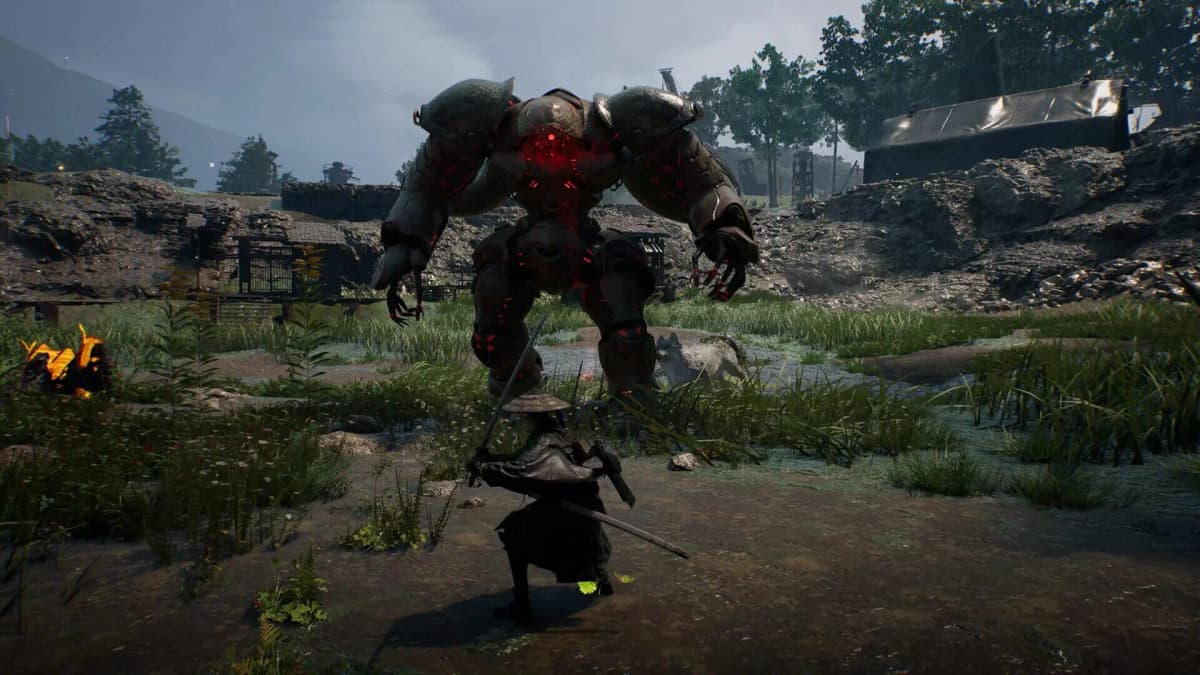
Multi-enemy fights expose the weakness most clearly. A good one should make the player prioritize targets, reposition intelligently, and make difficult choices about which attack deserves the parry. Here, group pressure can feel more like clutter than escalation. The game asks players to perform a precise, timing-focused system while several threats compete for the same slice of screen space. That can make an otherwise elegant combat language feel unnecessarily messy.
Repetition hurts more in a parry game than in almost any other action RPG
Enemy variety is the real make-or-break issue. I can tolerate a focused game. I can tolerate a fairly linear path toward the next major fight. I can even tolerate familiar structure when the central mechanic stays sharp. What I cannot forgive is an action game repeatedly offering the same threats after it has already taught me the answer.
That is the danger hanging over Beast of Reincarnation. The combat is strong enough to make the first stretch feel terrific, but a limited pool of enemies and attack patterns means the game risks becoming solved too early. Once a player has internalized the timing for the common threats, the polished parry system has to work much harder to maintain tension. Flashy combat cannot survive on animation quality alone. It needs fresh problems to solve.
Reused bosses make that problem worse. Boss repetition undercuts the special status these encounters are supposed to have, especially when the game’s best material lives in those tense one-on-one exchanges. Every repeated encounter tells the player that the next chapter may be delivering familiar homework rather than a new test of their skill. That is a brutal own goal for a game whose biggest advantage is the way it makes successful timing feel electric.
I would rather have fewer hours with a sharply curated enemy roster than a longer campaign padded with variations that barely change the decision-making. The game has the raw combat quality to support a focused boss-driven structure. It needed the confidence to build around that strength instead of stretching the journey with repetition.
The story pacing keeps stepping on the action
The narrative ambition is easy to see. Beast of Reincarnation has an apocalyptic science-fiction setting, diseased giant creatures, a darker tone, and enough worldbuilding to suggest that Game Freak wanted this to feel substantial rather than disposable. There are even moments of genuine heart in the relationship between Emma and Koo. The setting has atmosphere, and the game’s ending lands better than the middle stretch deserves.
But presentation matters as much as premise. The story leans on familiar JRPG plotting, the dialogue struggles to give much of the cast a memorable voice, and the pace repeatedly loses urgency. Long cutscenes and inactive stretches are especially damaging here because the game’s strongest argument is motion. Every time the combat has built momentum, the narrative risks putting it in a holding pattern.
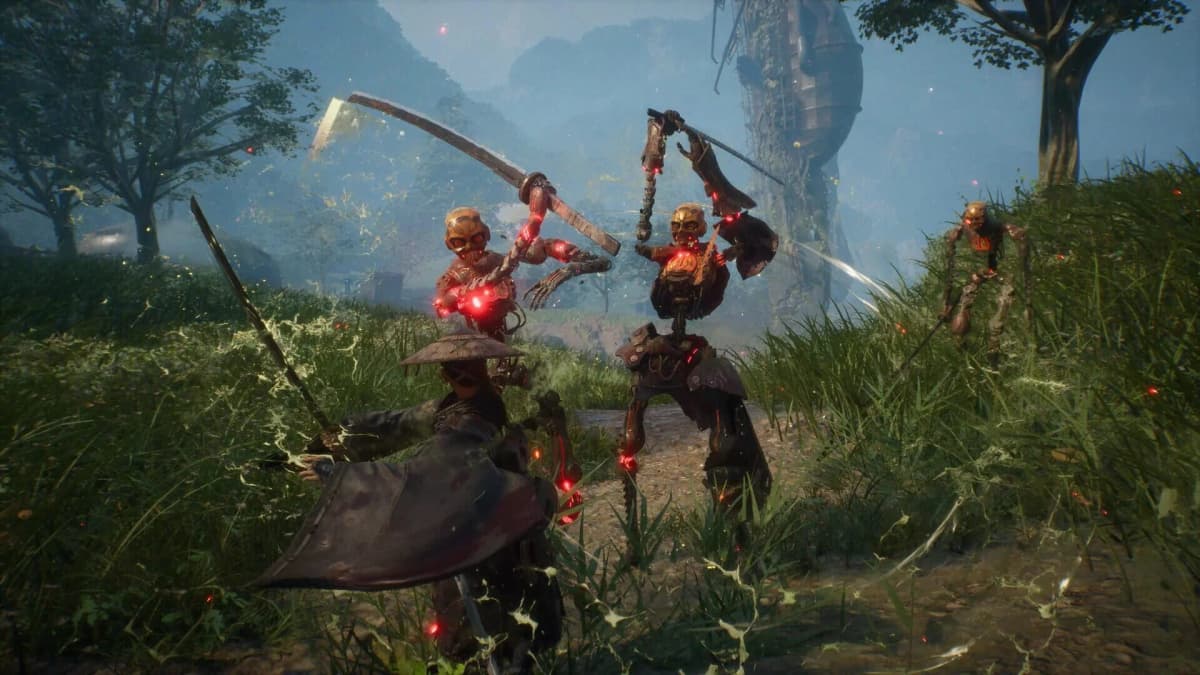
A cinematic action game can earn extended scenes when its characters are magnetic or its revelations carry real force. Beast of Reincarnation too often asks for patience before it has banked enough emotional investment. The result is a frustrating contrast: the player gets a clean, expressive combat system that encourages aggressive engagement, then gets asked to wait through material that rarely matches that same intensity.
The visual and technical issues deepen that frustration. The game has striking imagery and big setpieces, yet the overall polish can feel uneven. Occasional Performance Mode frame drops are particularly unwelcome in a game whose signature system depends on precise timing. A parry game lives and dies by trust. The player has to believe that a missed counter came from their own mistake, not from the presentation failing to keep pace with the action.
Who Beast of Reincarnation is actually for
This is a far more selective recommendation than the combat clips might suggest. The game can absolutely satisfy the right kind of action-RPG player, especially one who views boss encounters as the main event and enjoys practicing a satisfying mechanical loop for its own sake. Players who need constant new enemy ideas, brisk storytelling, and a cast worth lingering with are likely to feel the seams much sooner.
| Player priority | How Beast of Reincarnation fits | Buy verdict |
|---|---|---|
| Parry feel, boss fights, and reactive combat | Excellent fit. The Florescence Point and Bloom Arts loop gives every successful parry a meaningful payoff. | Buy now |
| Build depth, exploration, and broad RPG freedom | A weaker fit. The game is more focused on action flow than expansive role-playing breadth. | Buy only if combat is the priority |
| Enemy variety and constantly evolving encounters | Risky fit. Repetition in enemy patterns and bosses can make the game feel solved before the finish. | Wait for a discount |
| Fast pacing and story scenes that stay out of the way | Risky fit. The narrative delivery and cutscene drag interrupt an otherwise strong combat cadence. | Wait for a discount |
FinalBoss // Gear
Level up your setup
01Top-rated gaming headsetson Amazon→02High-refresh gaming monitorson Amazon→03Gaming chairson Amazon→04Discounted game keyson Kinguin→
Affiliate links · As an Amazon Associate, FinalBoss earns from qualifying purchases.
Want to Level Up Your Gaming?
Get access to exclusive strategies, hidden tips, and pro-level insights that we don't share publicly.
Ultimate Gaming Strategy Guide + Weekly Pro Tips