
Peat sits in an awkward place in Bellwright: it is important enough to matter, but far enough from the early game that many players reach the point of needing it before they have any reliable idea where to look. The clearest answer is this: peat is consistently reported as a swamp resource found in muddy wetland terrain, most often in the western or northwestern part of the map around Blackridgepool. If you are setting out specifically for peat, bring a shovel, because the public guides agree you cannot harvest it by hand.
That already solves the biggest confusion, but the next problem is efficiency. A good Bellwright peat run is not only about finding one node. It is about reaching the swamp safely, recognizing the right terrain, combining the trip with other wetland materials when possible, and understanding why peat is worth the detour in the first place. The sources line up strongly on the biome and tool requirement, while the exact “best” patch is a little less settled, so the safest way to plan is around the Blackridgepool swamp region rather than one hyper-specific node location.
Table of Contents (8)
What peat is for in Bellwright
Peat is not treated like a beginner resource. It shows up in guides as a material you pursue once your settlement and crafting needs start pushing you beyond the immediate starter surroundings. Public references describe peat as being used as fuel for the Furnace, and some also tie it into fertilizer-related processing. Even without leaning on undocumented numbers or hidden formulas, that tells you its role clearly: peat matters because it supports production chains rather than simple early shelter crafting.
That also explains why players tend to feel a sharp difficulty bump around it. Wood, stone, and other nearby materials teach you to think locally. Peat teaches the opposite lesson. Its value is not just in the item itself, but in whether your route, combat readiness, and inventory plan make the trip worthwhile. In practical terms, peat performs like a logistics resource. If you can get it home consistently, it is useful. If every run turns into a risky half-empty retreat, it becomes a bottleneck.
Where to find peat: the most reliable Bellwright locations
The strongest point of agreement across public sources is the biome: peat spawns in swampy, muddy terrain. The strongest point of agreement on the map is the Blackridgepool area, especially the swamp north of town or in the wider wetlands around it. If you only remember one location note from this guide, make it that. Blackridgepool is the anchor point most consistently associated with peat.
- Most consistently reported area: north of Blackridgepool, in or near the Blackridgepool swamp.
- Also commonly repeated: the broader western or northwestern wetlands around Blackridgepool.
- Additional community variation: some reports point to a swamp south of a nearby town, while others mention a northwest outpost above Blackridgepool where peat appears alongside other wetland resources.
The important part is how to read that variation. It does not mean peat locations are random everywhere on the map. It means community reports agree on the same general zone but differ on which patch inside that zone is most efficient. Confidence is high that you want the western swamp biome and a shovel. Confidence is only moderate on one exact “best farming spot,” especially if patches or node density have shifted between reports.
The clearest route: from Padstow toward Blackridgepool
The most repeated travel guidance is simple and useful: head south from Padstow, cross the river, and continue toward Blackridgepool. That route shows up often because it gives players a practical way to translate “peat is in the swamp” into an actual map movement plan. If your current map knowledge is still spotty, this is the best route description to build around.
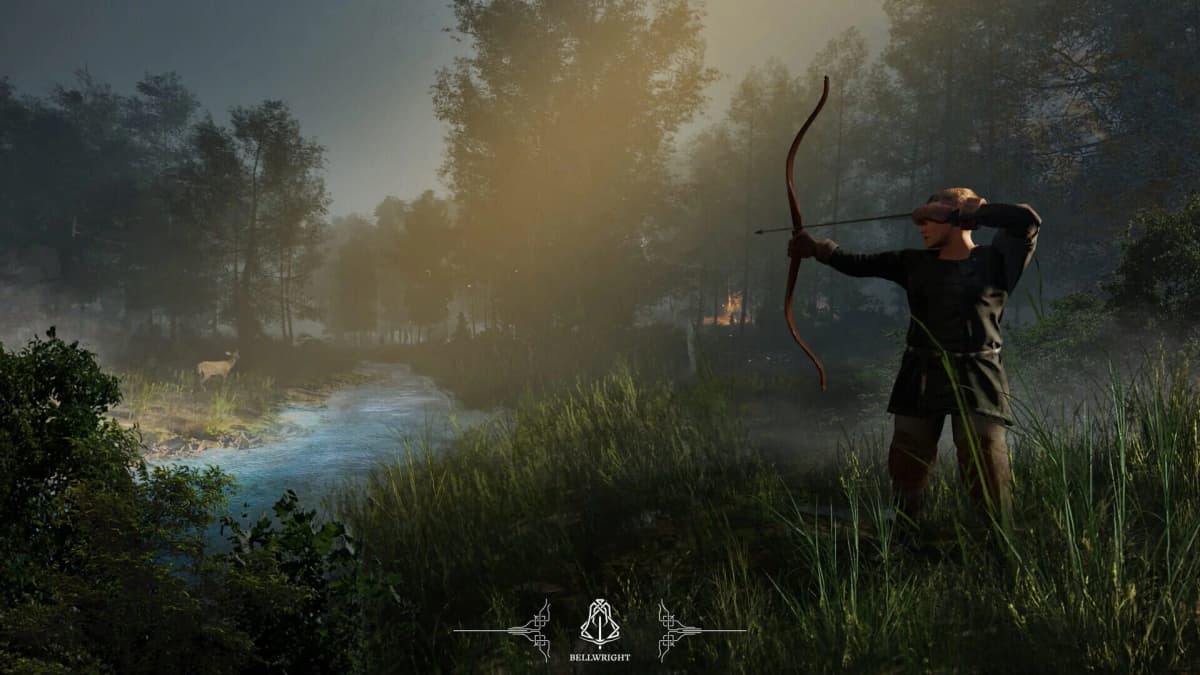
There are two reasons this route matters. First, peat is not described as an early-game resource sitting close to your home area, so a lot of failed runs happen before the harvesting even starts. Players overestimate how casual the trip will be. Second, the Blackridgepool approach is also where some reports mention bandit camps. That means the route is not only a navigation problem. It is a risk-management problem.
If you are making the trip for the first time, treat it like a dedicated excursion rather than an opportunistic side stop. Travel light enough that you can bring back a meaningful load, but not so lightly that a single hostile encounter forces you to turn around. Even without inventing exact combat breakpoints, the practical takeaway is obvious: the peat run becomes much smoother once you stop treating it as a harmless gathering walk.
What to bring before you leave
- A shovel: this is mandatory for peat harvesting.
- Inventory room: the trip is long enough that wasted space hurts.
- Basic travel supplies: enough to handle the route and possible bandit pressure.
- A plan to combine resources: especially if you also want moss from the same wetlands.
The shovel requirement is the one that catches players most often because Bellwright does not make every environmental resource feel mechanically distinct at a glance. One guide specifically contrasts moss with peat: moss can be gathered by hand, while peat requires the shovel. That turns into a useful optimization. If you are already committing to the swamp, bring the shovel and collect both resource types on the same run instead of making separate trips later.
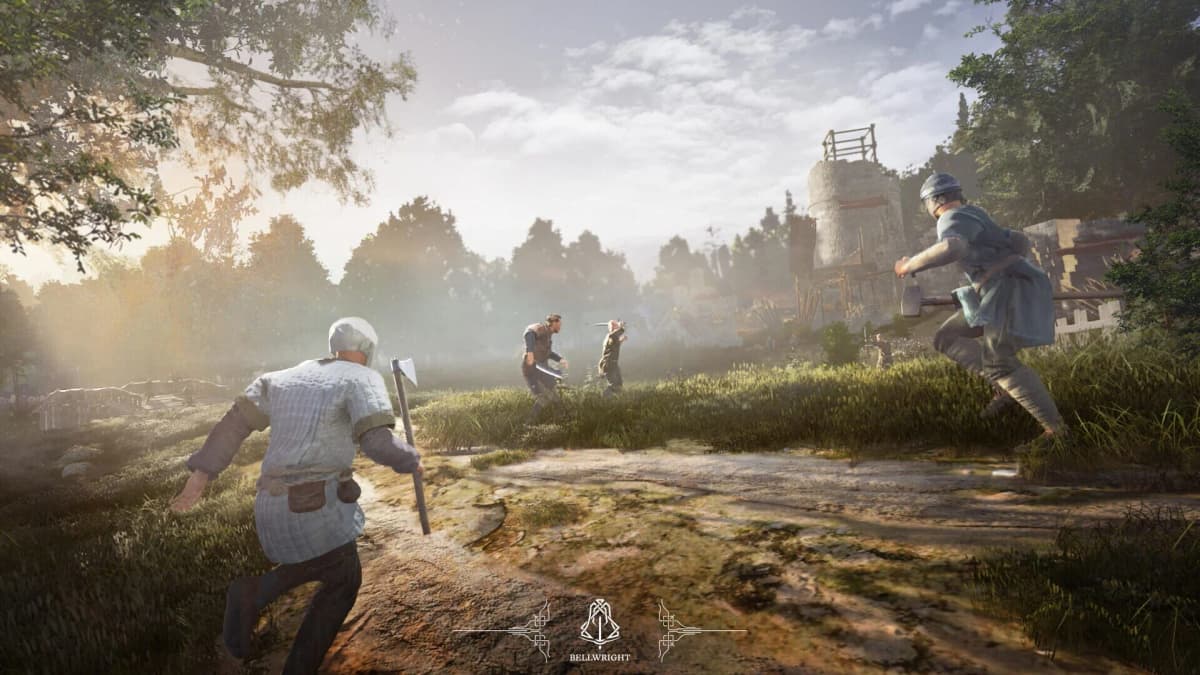
This is also why peat tends to feel more annoying than it really is. The problem is usually not node rarity. It is failed preparation. Forget the shovel, and the trip is dead on arrival. Reach the swamp with no spare room, and you cut the value of the run in half. Go in expecting no resistance, and the return route becomes the real cost.
How to spot and harvest peat efficiently
Once you reach the swamp region, focus on the muddy, wetland terrain rather than searching every inch of dry ground around Blackridgepool. The reporting is consistent enough on the biome that this is the best visual filter to use. Peat is tied to the swamp identity of the area, not just the town name itself.
The efficient approach is to work the swamp in a loop. Harvest peat with the shovel when you find it, gather any hand-collectible moss you want while moving through the same area, and only then decide whether to push deeper for more. Some community notes also associate these wetlands with other materials such as river reed and cranberries, which reinforces the value of thinking in terms of one broad wetland gathering route rather than one single-item sprint.
If you are trying to judge whether to stay longer or head home, do not chase the perfect run on the first trip. The first successful peat run should teach the terrain, reveal any enemy pressure points on your path, and confirm whether your chosen Blackridgepool-side patch is dense enough for repeat farming. After that, you can refine the route. The biggest improvement usually comes from removing unnecessary movement, not from hunting a rumored miracle node.
Common mistakes that make peat harder than it is
- Going without a shovel: the trip fails immediately because peat cannot be picked up by hand.
- Looking near the starter area: public reports place peat in the western or northwestern swamp region, not as a local beginner material.
- Treating Blackridgepool as one exact point: the useful target is the surrounding swamp zone, especially north of town.
- Ignoring bandit risk: some known routes and nearby areas include hostile pressure.
- Making a single-resource trip: when possible, combine peat collection with moss and other wetland gathering.
The third mistake is worth stressing because it causes a lot of confusion in community discussions. When one guide says “north of Blackridgepool” and another says “south of a nearby town” or “near the northwest outpost above Blackridgepool,” those reports are not necessarily contradicting each other in a meaningful way. They are often describing different parts of the same broader wetland region. If you fixate on one video frame or one creator’s exact tree line, you can miss the broader pattern that actually matters.
How peat fits into progression and settlement planning
In progression terms, peat marks the point where Bellwright starts asking more from your map knowledge. It is not simply “better fuel because the wiki says so.” Its practical strength comes from supporting furnace use and feeding into fertilizer-related production, both of which matter more once your settlement has moved beyond basic survival. That makes peat less of a curiosity resource and more of a middle-stage infrastructure material.
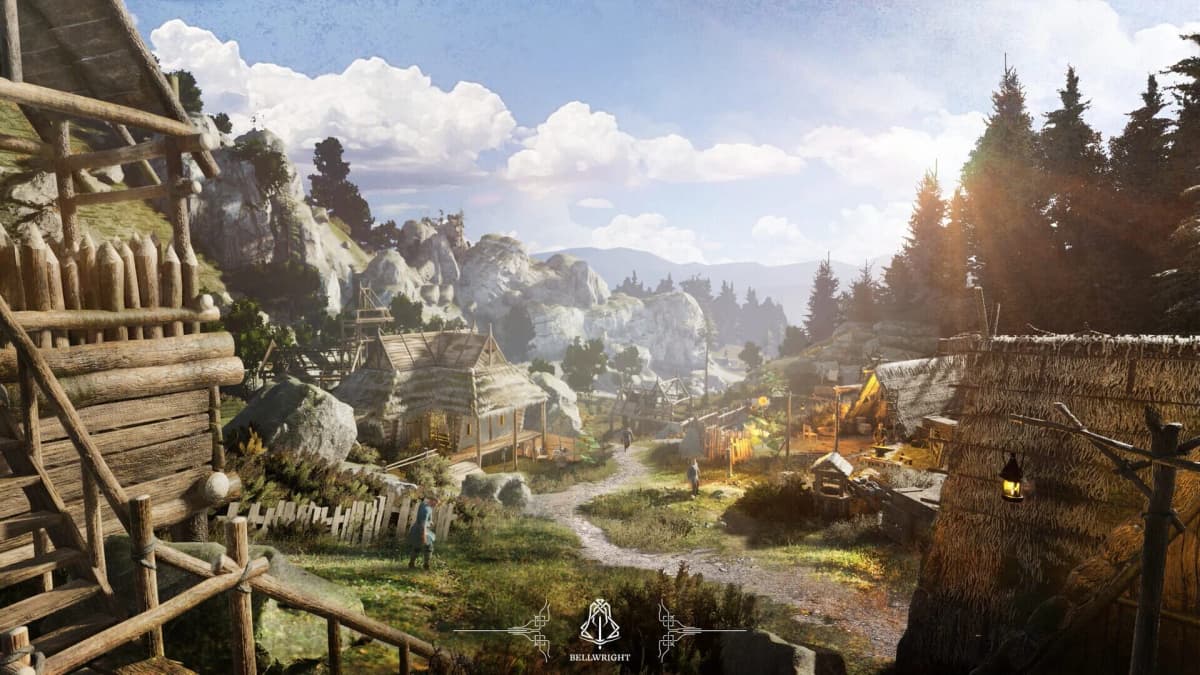
That is also why the Bellwright peat conversation tends to circle back to travel and consistency. A resource can be useful on paper and still feel bad in practice if the route is unreliable. With peat, performance is tied to repeatability. If you have a safe line from your base region through Padstow and toward Blackridgepool, peat becomes a stable part of your economy. If the swamp still feels like dangerous unexplored territory every time, you will keep postponing runs and feel stuck on downstream crafting needs.
What is settled, and what could change
At this point, the stable takeaways are clear. Peat is a swamp resource. The Blackridgepool wetlands, especially north of Blackridgepool, are the most reliable area to search. A shovel is required. Moss is a smart secondary pickup because it can be gathered by hand on the same trip. The route from Padstow south across the river toward Blackridgepool is the clearest commonly repeated path.
The less settled point is the single highest-yield patch. Community sources differ on which exact swamp pocket is best, and that is the part most likely to shift if updates change swamp resource placement or node density. Peat’s crafting role could also expand or become more clearly defined in future updates. For now, the practical answer is to build your plan around the western swamp biome and Blackridgepool region, not around one supposedly perfect node cluster.
If you need peat now, the dependable play is straightforward: craft a shovel, route through Padstow toward Blackridgepool, search the muddy swamp north of town first, and combine the run with other wetland materials so the long trip pays for itself.
FinalBoss // Gear
Level up your setup
01Graphics cardson Amazon→02Gaming laptopson Amazon→03High-refresh gaming monitorson Amazon→04Discounted game keyson Kinguin→
Affiliate links · As an Amazon Associate, FinalBoss earns from qualifying purchases.
Want to Level Up Your Gaming?
Get access to exclusive strategies, hidden tips, and pro-level insights that we don't share publicly.
Ultimate Guide Strategy Guide + Weekly Pro Tips