
Between Metal Gear Solid and Bond: The Perfect Dark Reboot Gamers Lost
Game intel
Perfect Dark
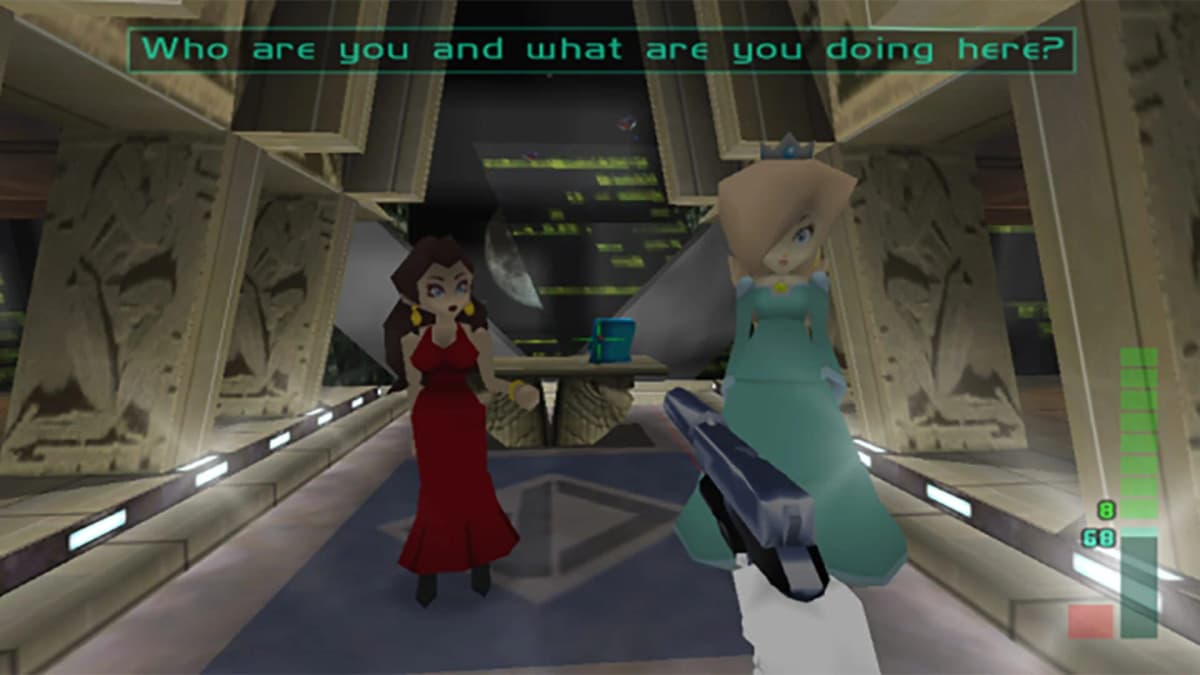
A mod for Perfect Dark replaces all of the characters with ones from the Mario universe along with a variety of changes & improvements. For example multiple gu…
Why This Lost Perfect Dark Reboot Hit Me
This leak stung because Perfect Dark is one of the few shooter series that ever dared to be weird and stylish about espionage. The reboot had a shot at filling the vacuum between Metal Gear’s cerebral stealth and Bond’s gadget-chic swagger. Instead, it died in July 2025 when Microsoft canceled the project and shuttered The Initiative. Now, internal documents floating around give us a clear look at what could’ve been-and why it wasn’t.
- It aimed for “eco sci‑fi” espionage with a futuristic Cairo and a modern Joanna Dark.
- An Adrenaline system promised tactical bursts: healing, accuracy boosts, damage spikes, and bullet time.
- It was structured as an episodic “Season 1,” pointing to a live, TV‑style rollout.
- The project collapsed not for lack of ideas, but over long‑term IP ownership and slow, troubled development.
Breaking Down the Vision: Eco Sci‑Fi Espionage
The design docs paint a clearer picture than any teaser did back in 2020. The tone was “eco sci‑fi,” blending sleek near‑future tech with climate‑scarred locales. Joanna Dark operating in a reimagined, futuristic Cairo is the kind of setting pitch that immediately separates this from boilerplate techno‑thrillers. Think Deus Ex’s human‑aug noir, but with a greener edge and a corporate sabotage vibe that fits Perfect Dark’s DNA.
The most intriguing system was Adrenaline: a finite, regenerating resource you’d spend to do spy‑movie things that shooters rarely let you sustain. Pop a quick heal mid‑op, stabilize your aim for a surgical shot, amp damage to blow through armored targets, or hit bullet time to thread a corridor of gunfire. On paper, that’s a smart bridge between classic stealth and modern action-closer to MGS’s Reflex Mode meets Max Payne, but rationed and explicitly “spycraft” rather than pure power fantasy.
As someone who’s replayed Perfect Dark on N64 and suffered through the clunk of Zero’s launch-era 360 design, this direction sounds like the first genuine attempt to modernize Joanna without erasing her weirdness. Gadgets and readable systems are what make espionage games sing-Adrenaline could have been the glue that let stealth, gadgets, and gunplay coexist without the game collapsing into pure headshots or pure ghosting.
Then there’s the “Season 1” structure. Episodic AAA isn’t unheard of (Hitman 2016 recovered after a messy rollout to become a stealth masterpiece), but it’s a minefield. Get the cadence wrong, and players feel like beta testers paying for a promise. Get it right, and you create water‑cooler assassinations and communal problem solving. Perfect Dark’s worldbuilding could have supported that… if the studio had the momentum to deliver on schedule.
The Development Reality: A Prestige Project That Never Stuck
The Initiative was pitched as a prestige “new model” Xbox studio. In practice, it never seemed to escape the prototype phase. Even after a demo was shown internally last year, the team was reportedly still on proof-of-concept work as late as April 2025. That’s not unusual for ambitious reboots—but it is a red flag when your structure depends on episodic delivery and constant content flow.
Crystal Dynamics, owned by Embracer, joined as co-developer, which looked sensible on paper: veteran production discipline for a sprawling spy sandbox. But the bigger the partnership, the trickier the contract. Talks reportedly happened between Microsoft, Take‑Two, and Embracer about Take‑Two stepping in to publish and “save” the project. Those collapsed over long‑term ownership of the IP—the core question of who benefits if the thing actually works. No alignment, no project. Crystal Dynamics then faced layoffs, the kind of collateral damage we’ve seen too much of in Embracer’s brutal restructuring era.
Microsoft’s official line about “adjusting priorities” reads like corporate Mad Libs at this point. But the subtext is obvious: the company is trimming long, expensive bets that don’t show near‑term traction. If your spy reboot is still in the proving stage five years after announcement, you’re a prime target in 2025’s cost‑cutting climate.
Want to Level Up Your Gaming?
Get access to exclusive strategies, hidden tips, and pro-level insights that we don't share publicly.
Ultimate Gaming Strategy Guide + Weekly Pro Tips
Why This Matters Now (Beyond Nostalgia)
The espionage space is finally stirring again—IOI’s Project 007 is in the oven, Ubisoft’s Splinter Cell remake exists, and Konami is mining its past with Metal Gear. Perfect Dark could have been the counterprogramming: a female lead, a greener techno‑thriller lens, and systems that reward planning without punishing improvisation. Losing this version isn’t just losing a name—it’s losing a particular flavor of spy fantasy we don’t get often.
Would it have stuck the landing? That episodic pitch makes me cautious. Hitman made it work by designing levels as endlessly replayable puzzles. If Perfect Dark’s episodes leaned more on linear campaign beats than systemic sandboxes, a drip‑feed could have frustrated players. Conversely, the Adrenaline system suggests a focus on expressive play that might have flourished with a live cadence. We’ll never know, and that’s the killer.
For Xbox fans, this is another data point in a tough year: ambitious single‑player projects with long horizons are harder to protect inside a platform holder fighting for focus. Game Pass needs consistent, completed games more than tantalizing prototypes. That’s a business reality—but it’s also how daring ideas get stranded.
What Gamers Should Watch Next
Don’t expect Perfect Dark anytime soon; if the IP can’t find aligned ownership, it won’t find momentum. Keep an eye on Project 007 for that sleek, gadget‑forward sandbox fix, and on Splinter Cell to see if a classic stealth loop can feel modern again. The lesson from this leak is clear: cool systems aren’t enough—teams need stable deals and a release model that respects how we actually play.
TL;DR
Leaked docs show a stylish Perfect Dark reboot—eco sci‑fi Joanna Dark, an Adrenaline toolkit, and an episodic Season 1—killed not by lack of ideas but by a slow, messy production and an IP ownership deadlock. It could’ve filled the stealth‑espionage gap with a modern twist. Instead, it’s another reminder that bold concepts die fast when the business side can’t agree.