
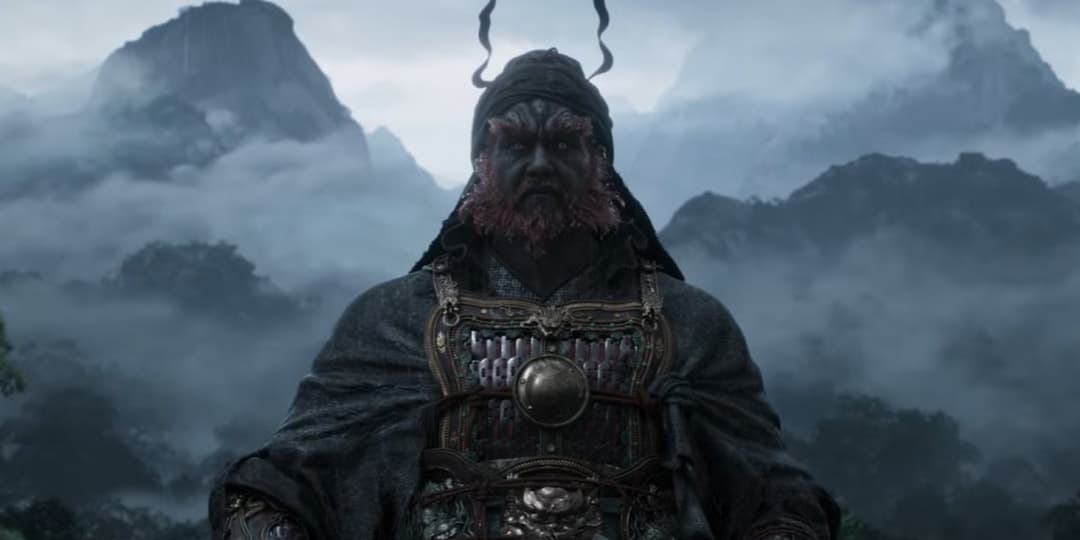
Black Myth: Zhong Kui Shakes Up the Saga—What Gamers Should Really Expect
Game intel
Black Myth: Zhong Kui
This Reveal Actually Surprised Me-Here’s Why
When Opening Night Live closes with a “one more thing,” you can usually bet it’s a safe crowd-pleaser. But the announcement of Black Myth: Zhong Kui honestly stood out. After Black Myth: Wukong’s relentless hype cycle and its dazzling visuals, I thought Game Science would leave us hanging for a while-especially after just launching Wukong. Instead, they dropped a full follow-up with a new protagonist, plucking Zhong Kui straight from Chinese myth. For anyone who got hooked on Wukong’s blend of soulslike gameplay and authentic folklore, this is big news-but it also raises some pointed questions about what’s next for the series.
- Game Science is doubling down on Chinese mythology in AAA fashion—rare in the global scene.
- No gameplay was shown—only a cinematic, so curb expectations for now.
- Broad release window: no date, just “PC and current-gen (maybe next-gen) consoles.”
- After Wukong, skepticism about actual innovation versus visual spectacle is warranted.
Breaking Down the Zhong Kui Reveal
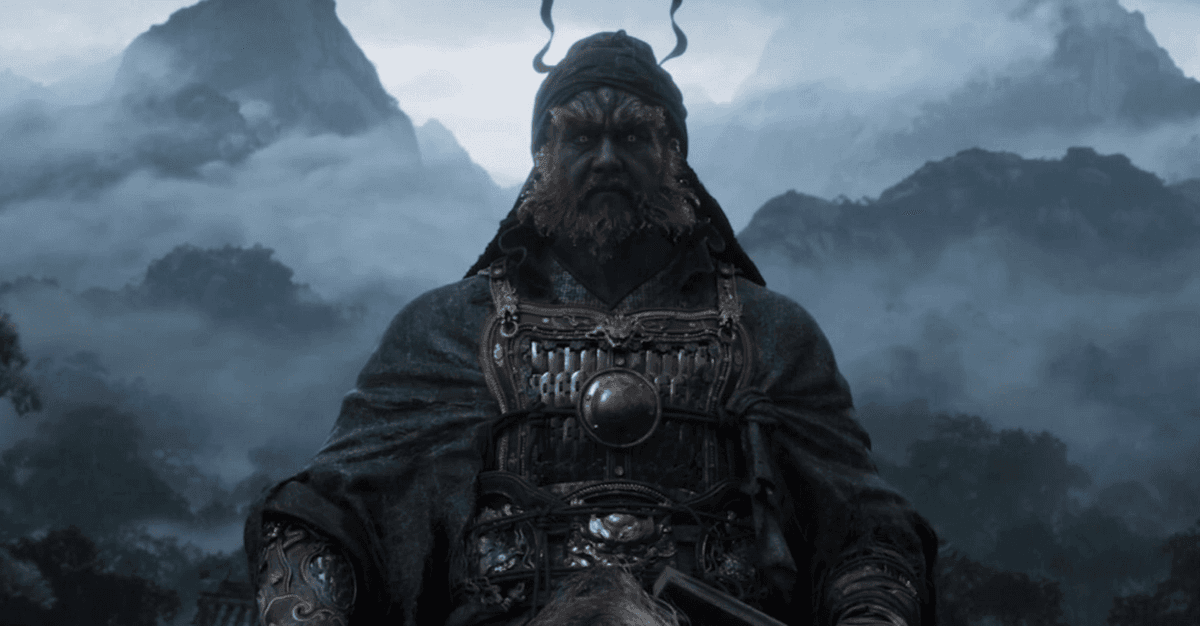
The trailer was pure spectacle: otherworldly vistas, stylized monsters, and character design that looks ready to leap straight off a mythological scroll. Classic Game Science flex. But for anyone who followed Black Myth: Wukong’s pre-launch, you’ll remember years of jaw-dropping teasers—and a lot of guessing about what kind of game we’d actually get. The Wukong formula ended up blending tight, challenging combat with dark fantasy set in ancient China, and while the release mostly delivered on its promise, it also leaned hard on familiar soulslike structures. The studio absolutely nailed atmosphere and lore, but was sometimes criticized for linear quests and some uneven pacing.
So, seeing Zhong Kui tapped as the next protagonist is fascinating. If you’re not up on your Chinese myth, Zhong Kui is a supernatural demon-queller and folk hero—a totally different vibe from the trickster Sun Wukong. This signals a shift in tone and likely gameplay pacing. But until we get a real gameplay slice, it’s impossible to know how much is “cinematic hype” versus actual evolution in systems and world design.
What Does This Mean for the Future of Black Myth?
This announcement is more than just another sequel; it suggests that Game Science wants to turn Black Myth into a sprawling anthology series—each chapter tackling iconic, underrepresented parts of Chinese legend. I love the ambition, especially since the industry is still flooded with similar Western fantasy tropes. There’s real potential here for cultural depth, if the studio digs in beyond surface-level myth.
But I can’t help thinking back to how overloaded Wukong’s early trailers were with visual dazzle. The finished game mostly matched the look, but some players walked away wanting more from the combat loop and exploration. If Zhong Kui is going to stand on its own and not feel like a reskinned Wukong, Game Science needs to dial up both gameplay variety and narrative weight. Otherwise, it’s just digging a deeper visual trench—something we’ve seen studios fall into before (looking at you, Bioware’s Anthem).
The Gamer’s Perspective: Cautious Hype or Second Verse, Same as the First?
I’m stoked, honestly. The idea of playing as Zhong Kui—a demon-hunting hero with his own powers and mythic legacy—is a breath of fresh air compared to endless Western RPG retreads. But as someone who invested a ton of hours in Wukong, I’ve learned not to buy into Game Science’s sizzle reel without seeing real gameplay innovation. “New myth, same formula” isn’t enough to get us coming back for another hundred-hour grind. Plus, we’ve got to ask: will the new consoles actually matter if the core gameplay doesn’t evolve?
- This is a great chance to go deeper into Chinese myth beyond touristy visuals.
- Game Science needs to show they can avoid sequel bloat and keep things fresh.
- The community will be watching to see if this raises the bar or just repeats the past.
TL;DR
Black Myth: Zhong Kui’s cinematic reveal looked stunning but leaves more questions than answers. If Game Science can deliver deeper systems and richer myth (not just prettier monsters), we could be witnessing the start of a genuine mythological epic. But until we see real gameplay, keep your hype in check—the difference between a gorgeous trailer and a legendary game is all in the details.