
Table of Contents (13)
From Skeptic to Sidewinder: My First Nights With Black Ops 7
I went into Black Ops 7 expecting a comfortable re-run of last year’s ideas with some fresh paint. After a few nights of hands-on time-mostly traditional multiplayer, a half-hour sprint through its revamped Zombies, and a couple matches in the battle royale space-I came away with a weird combination of excitement and déjà vu. BO7 is athletic, fast, and high-skill, but also conservative where I hoped it would swing big. It’s the friend who shows up with three bags of snacks and says, “We’re set for the night,” even if two of those bags are your leftovers from last week.
For context: I played on PC at 1440p on a 144 Hz display, mouse and keyboard for most of it, and I swapped to controller for an hour to see how the new mobility feels there. My FOV was set to 110, motion blur off (always), and I spent an embarrassing amount of time in the settings menu tweaking ADS multipliers before getting into the groove. Most of my hours went into the new Overload mode and the six beta maps, with side trips into Zombies and the BR playlist to sanity check the broader package.
Omnimovement Grows Up: Walljumping Changes How You Think
Black Ops 6’s big swing was omnimovement-true 360-degree sprinting, diving, sliding, and mounting that made positioning feel more like a fighting game than a corridor shooter. BO7 keeps that DNA, and then throws a walljump on top. You can chain up to three walljumps if you time them right, and it’s the first mechanic in a while that genuinely changed how I approached lanes. On Toshin—my favorite of the maps I tested—I found a rhythm that felt like tracing neon lines across the geometry: slide to cover, hop up, kick off, rotate mid-air, and land behind a balcony lip with half a mag left. Done badly, you look like you’re bunny-hopping in place. Done well, you feel like a yamakasi with an SMG.
The big surprise is the pace. With tactical sprint moved into a perk slot, my average match felt a touch less face-first than last year. People are still cracked, but you see more deliberate clears and more vertical routes. The “mount and strafe” tweak—being able to slip left and right while mounted—doesn’t sound sexy on paper, yet it saved my life dozens of times holding a Hardpoint. It gives anchored play a bit of dignity in a movement meta that usually rewards the first person to fly through a window and start camera-breaking.
If you’re a controller player: walljumping is absolutely doable. The learning curve is steeper than slide-cancels, and your thumbwork will be busier, but aim assist helps the end of the chain. On mouse and keyboard, the freedom is intoxicating but punishing—miss a window by a hair and you’ll eat a full burst mid-air. By hour six I could reliably chain two jumps to hit a sniper’s nest, but adding the third still felt like squeezing toothpaste with gloves on. That’s a good sign for skill ceiling: movement-heads will feast.
Maps: Clean Lines, Loud Colors, and One Standout
I saw six of the launch slate, which will eventually total 18. Common traits: clean sightlines, obvious power positions, and vibrant color palettes that stop short of cartoony. Think “function-first” geometry with a painter’s touch. It’s not the maximalist chaos of some older Treyarch efforts; it’s tighter and easier to read at speed. If anything, a few maps skew sterile—practical shapes, neutral walls, and a couple of sniper perches that feel placed with a ruler.
Toshin is the exception: a layered, modern-Asian sprawl that rewards vertical pathing and off-angle engagements. Twice I used a two-hop wallchain to pop into a balcony that everyone was hard-scoping from the opposite lane; from there I flipped a control point by breaking line of sight with a mounted strafe, then dropping back into the hill. Moments like that are why I play Treyarch entries—when the map is a canvas for movement as much as shooting. The others are good bones but need memorable landmarks to keep them in the rotation rotation of my brain.
The nice knock-on of the cleaner layouts is the improved readability at high speed. BO7 relies on motion and silhouette more than clutter, which makes clutch fights less about guessing who fired from which plant pot and more about who navigated the spacing better. I’ll take “a little plain” if it means “I instantly understand the arena.”
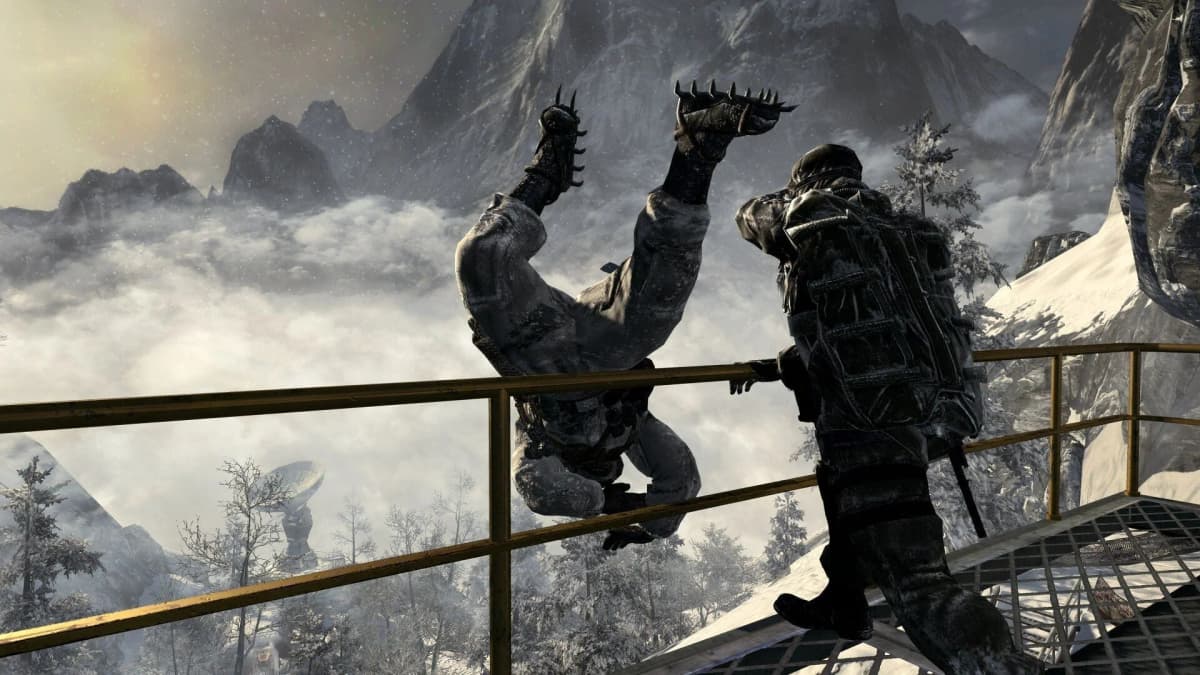
Overload Mode: When CTF Meets Juice Box
Overload, the new objective mode in the beta, is basically Capture the Flag if grabbing the objective made you a marked super-soldier who can still shoot. Pick up the core, get buffed, and try to run it into enemy territory while your entire existence is broadcast on the tac-map like a breaking news alert. The twist escalates team play. Yes, your shot still matters, but the squads that win are the ones that layer utility, set soft screens, and rotate together.
My favorite round happened on a mid-sized three-lane map where my team had been getting beamed off the center. On a hunch, we smoked the middle, sent two players wide, and I walljumped into a top window to grab the core, then dove back out off a sign into an alley. It shouldn’t have worked, but because the buff doesn’t lock your gun and the icon keeps pressure on the enemy, they tunneled on me while my duo flanked. We chained two scores off that one adjustment. The mode naturally produces those “I can’t believe we pulled that off” moments.
I do worry about solo queue vibes. When comms went quiet, Overload got scrappy fast. If your team doesn’t peel for the carrier or stagger spawns properly, the snowball comes hard. It’s the right kind of punishing for a party, though. To be clear: it’s fun, fast, and tactically distinct enough that I kept re-queueing it, even after a couple of blowouts.
Zombies: A Big Promise in a Tiny Slice
This is the part that has me cautious and curious in equal measure. The pitch is spicy: a giant map with drivable vehicles for a squad of four, road-linked hubs, side objectives, customization for your ride, and a sense of traversal that Zombies hasn’t really leaned into before. The slice I played was short—maybe thirty minutes—and gated to beta content, so think appetizer, not main course.
Two things stood out. First, vehicles are a gamble. We tried to heroically turn around after a squadmate tumbled out mid-road. Big mistake. The stop-start animation might as well have been a dinner bell. We got swarmed, burned plates, and barely limped to cover. It felt authentic in a “don’t be dumb” way that I actually appreciated. Second, we ran into a repeated puzzle flow in different locations: restore power, fend off while clearing a stack, open the route. It worked once, felt familiar the second time, and by the third I wanted a curveball. That could be a beta limitation. Hard to draw final lines from such a thin sample, but the foundation—deadly roads, ominous fog, hub-to-hub travel—has legs.
There’s also a top-down arcade detour, Dead Ops 4, for when you want a palate cleanser. It’s breezy, pulpy, and exactly the kind of side dish that makes a late-night Zombies session last another hour because “one more run” never means just one.
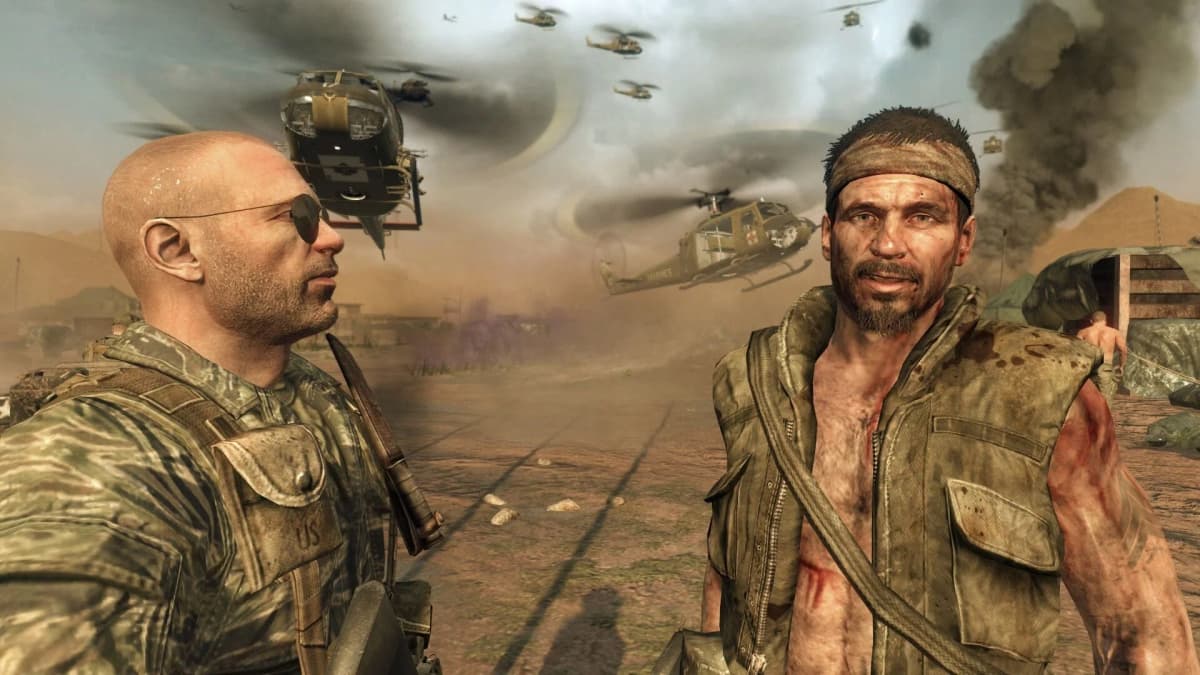
Battle Royale: Subtle Tweaks, Familiar Feel
Verdansk returns doing what Verdansk does. Loot tiers have been nudged—grey-tier changes are noticeable in early fights—and a couple zones have been massaged, but if you’ve had Verdansk muscle memory since the MW days, it’s mostly intact. I hopped into a Resurgence playlist as well and discovered the “new” map is a remix of Liberty Falls from BO6’s Zombies. Nothing wrong with that—game design is collage as much as construction—but you can feel the “reuse and refine” philosophy throughout BO7’s broader offering.
The net effect is comfort food BR. You’ll clock the improvements, like better loot funnels and some smarter sightline control in revised areas, but it’s not a reinvention. After a tense final circle I lost to a duo hugging a rooftop AC unit, I had that familiar Warzone frustration and grin. It’s the same nasty puzzle it’s always been, now with slightly different pieces.
Guns, Streaks, and the Quiet Quality-of-Life Wins
There’s a mountain of small changes that, cumulatively, make daily play smoother. Transferring weapon builds is quick and painless now. I bounced a favorite AR configuration from multiplayer to BR in seconds and didn’t have to play the “which attachment was it?” guessing game. Weapon prestiges return with a shiny incentive: exclusive camos. I’m not a camo grinder by nature, but even I caught myself chasing a couple because the route felt more sane than last year’s “do a hundred mounted kills while sideways” vibe.
Scorestreak “overclocks” are a neat layer. The idea is that you can tweak the behavior of familiar streaks to suit your plan—think duration vs. sweep speed on recon tools, or punch-up vs. spread on offensive options. In practice during my sessions, it mostly meant I could set up for a specific lane control role and feel like the streak supported it rather than overwhelmed the lobby. It’s empowering without turning every match into an airshow.
Gunfeel is crisp. Hit markers pop just right, recoil patterns are learnable without being laser-straight, and TTK sits in that Treyarch middle ground that rewards first shot and tracking more than hip-fire roulette. I stuck to an AR-SMG duo most of the time; walljump routes pair beautifully with close-range weapons, while the more restrained tactical sprint meta gives ARs a bit more room to breathe.
Performance, Audio, and The Aging Face in the Mirror
Let me be blunt: the engine feels like it’s brushing up against its own ceiling. On my rig, the preview build ran mostly between 140 and 160 fps at 1440p with settings near High and a couple shadows dialed back. That’s good news for competitive players, but visually, I kept flashing back to the last big leap—2019’s Modern Warfare. BO7 looks clean and vibrant, but it’s not a jaw-dropper, and the cross-gen footprint shows. A handful of textures and lighting moments reminded me we’re still straddling old silicon.
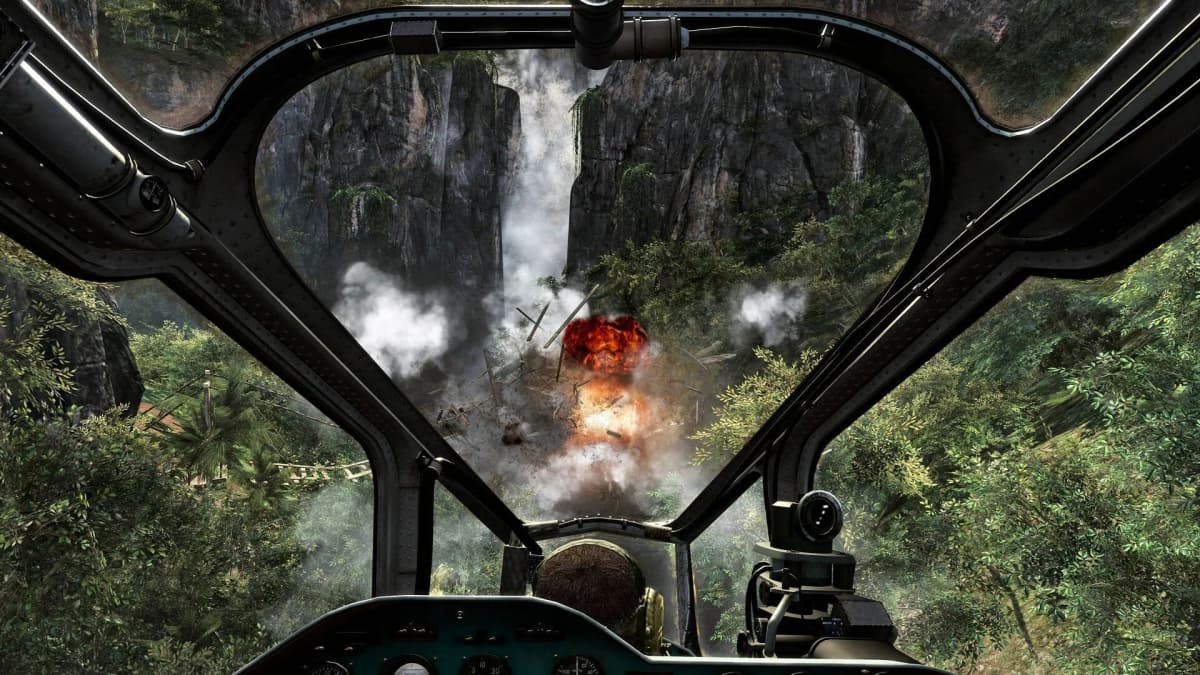
I hit a few traversal hitches when spawning in and a rare micro-stutter mid-fight; preview builds have scars, so I’m not panicking, but it’s worth flagging. On the audio side, footstep clarity is solid in open lanes and muddier in multi-story spaces. On Toshin, I could reliably space-track an enemy sprinting on tile, but on another map I lost a walljumper behind a thin wall even though they sounded like a moving drum kit. Again: beta caveats apply.
What Works, What Needs More Time
- Walljumping is the headliner it needed. High ceiling, expressive routes, and just enough risk to keep it honest.
- Overload is a sticky, replayable objective mode that rewards coordination over raw aim duels.
- Map readability is strong, verticality is thoughtfully staged, and Toshin is a keeper.
- QoL touches—build transfers, streak tuning, weapon prestiges—smooth out the grind.
- Zombies teases a fresh loop with vehicular traversal, but the beta slice is too thin to call.
- Visuals feel dated in places, and cross-gen constraints are hard to ignore.
Who Will Love This, Who Should Wait
If you live for movement mastery, BO7 is a playground. The walljump alone will keep TikTok editors busy for a year, and the more measured tactical sprint perk meta gives you space to plot routes without getting bulldozed by one speed stat. If your crew thrives on comms and objective play, Overload will be a nightly staple—high drama, high stakes, and plenty of ways to improvise.
If you wanted a massive visual leap or a radical change to the core loop, temper expectations. This feels like a confident extension of BO6 with a flashy new trick and a truckload of content. Quantity over novelty. That’s not a dig; some years that’s exactly what I want. Just know what lane you’re stepping into.
My Personal Arc: The Moment It Clicked
Somewhere around hour five, I stopped trying to force the third walljump. Instead, I started using two hops to get high, then the mount-strafe to hold an angle for three heartbeats, and a clean drop onto the objective. It turned my flow from “clip compilation or bust” to “smart, ruthless pacing.” That adjustment is what convinced me BO7 isn’t just stunt work. It’s a conversation between old and new—slide-cancel muscle memory speaking to new vertical muscle memory. That’s the version of COD that keeps me coming back: not louder, just sharper.
Bottom Line: A Confident Sequel That Plays It Safe, With One Big Swing
Black Ops 7 is, unmistakably, BO6’s acrobatic kid sibling. It inherits the moves, adds a walljump that actually changes decisions, and piles on modes, tweaks, and toys until every menu feels like a packed lunchbox. The cost of that buffet is a sense of déjà vu in places—maps that trade personality for clarity, visuals that feel a generation late, and a Zombies tease that needs to prove it’s more than a roadtrip with spacer gates.
Did I have fun? Yes. Do I want more: more surprise, more weird, more campaign-level spectacle leaking into multiplayer maps? Also yes. The upcoming beta should show the broader shape, but from what I’ve played, the core is firm. If the full Zombies experience and the larger-scale modes land, BO7 could be a late-night staple. If not, it’s still a strong, movement-forward COD that knows exactly who it’s feeding.
Preview Rating: 7.5/10
TL;DR
- Feels like BO6 with a meaningful new toy: walljumping that alters routes and raises the skill ceiling.
- Overload is a standout mode—CTF with teeth—that turns team coordination into clutch moments.
- Maps are clear and vertical, if a bit sterile; Toshin is the standout with creative pathing.
- Zombies promises a bigger, vehicle-enabled loop, but the beta slice is too limited to judge.
- Performance is strong; visuals are clean but aging. Cross-gen roots are showing.
- Tons of QoL upgrades make everyday play smoother and grind less annoying.
- Quantity over novelty—if you want wild reinvention, wait and see; if you want refined chaos, you’ll be happy.
FinalBoss // Gear
Level up your setup
01Top-rated gaming headsetson Amazon→02High-refresh gaming monitorson Amazon→03Gaming chairson Amazon→04Discounted game keyson Kinguin→Affiliate links · As an Amazon Associate, FinalBoss earns from qualifying purchases.
Want to Level Up Your Gaming?
Get access to exclusive strategies, hidden tips, and pro-level insights that we don't share publicly.
Ultimate Reviews Strategy Guide + Weekly Pro Tips