
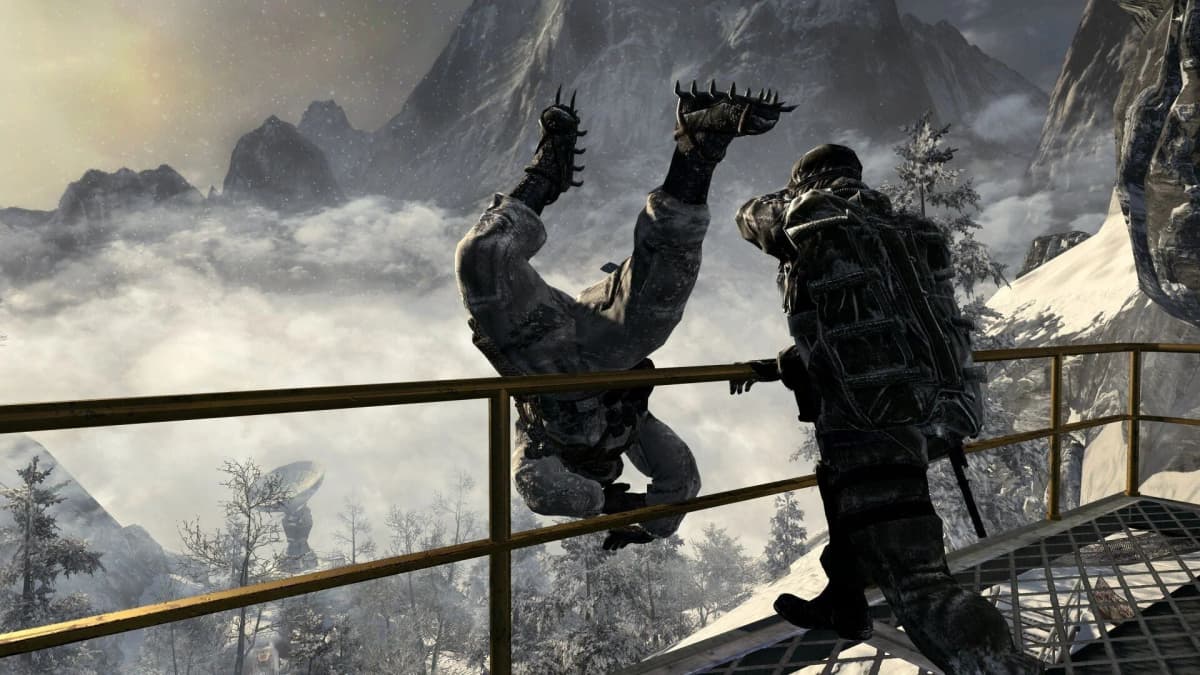
Black Ops 7 Season 1 maps look wild — but should you care?
Game intel
Call of Duty: Black Ops 7
Call of Duty: Black Ops is the seventh main Call of Duty game and the sequel to Call of Duty: World at War. The game differs from most previous installments, w…
Why Black Ops 7 Season 1 actually matters for players
This caught my attention because Treyarch is doubling down on everything that made Black Ops famous – remasters, weird-ass set pieces, and aggressive map design – while also rolling out the franchise’s first proper in-season battle pass and Warzone crossplay integration. On paper, December 4’s Season 1 gives you a lot to play: three brand-new multiplayer maps (Utopia, Fate, Odysseus), a Standoff remaster, midseason drops, a full-scale Zombies map, seven DLC weapons, and Haven’s Hollow Resurgence for Warzone. But the real question is whether this feels like meaningful content or a polished packaging move to push microtransactions and time-gated progression.
- Seven multiplayer maps across the season – three new, one remaster, plus midseason additions.
- First-ever Black Ops 7 battle pass, seven DLC weapons, a new full-scale Zombies map.
- Warzone tie-in with Haven’s Hollow Resurgence — progression syncs across modes.
- Big promise of vertical, high-movement maps means SMGs/shotguns and movement tech will dominate early meta.
Breaking down the maps — what changes on the ground
Let’s cut through the marketing copy and look at what each map actually means for players. If you like fast, chaotic matches that reward movement tricks, Season 1 leans hard into that design philosophy.
Fate — cramped, vertical, and weird
Fate is described as a warped Menendez compound with floating landmasses and portals. Translation: short sightlines, vertical lanes, and gimmicks that break traditional sightline control. Expect SMGs, shotguns, and players who can weave movement tech to outperform static AR sightlines. This map will be a playground for creative parkour and also for cheap spawn trades — fun, messy, and polarizing.
Utopia — parkour-friendly three-lane
Set in a high-tech research facility, Utopia mixes open interiors with climbable routes. It’s medium-sized and favors mid-range flexibility: ARs that can ‘peek-and-hipfire’ and SMGs for close flanks. This one looks like the most balanced of the new batch, but the added verticality rewards practice with movement tech.
Odysseus and Holiday Variants — chaos and events
Odysseus (a carrier map) promises tight corridors and multi-level combat — think rapid, decisive encounters more than tactical lockdowns. Meanwhile Sleighjacked is a seasonal rework delivering limited-time variety. Midseason brings Meltdown and Yakei, both remasters/visual reworks that will please nostalgia hunters but also hint that Treyarch relied on legacy content for filler.
Zombies and Warzone: sync or scatter?
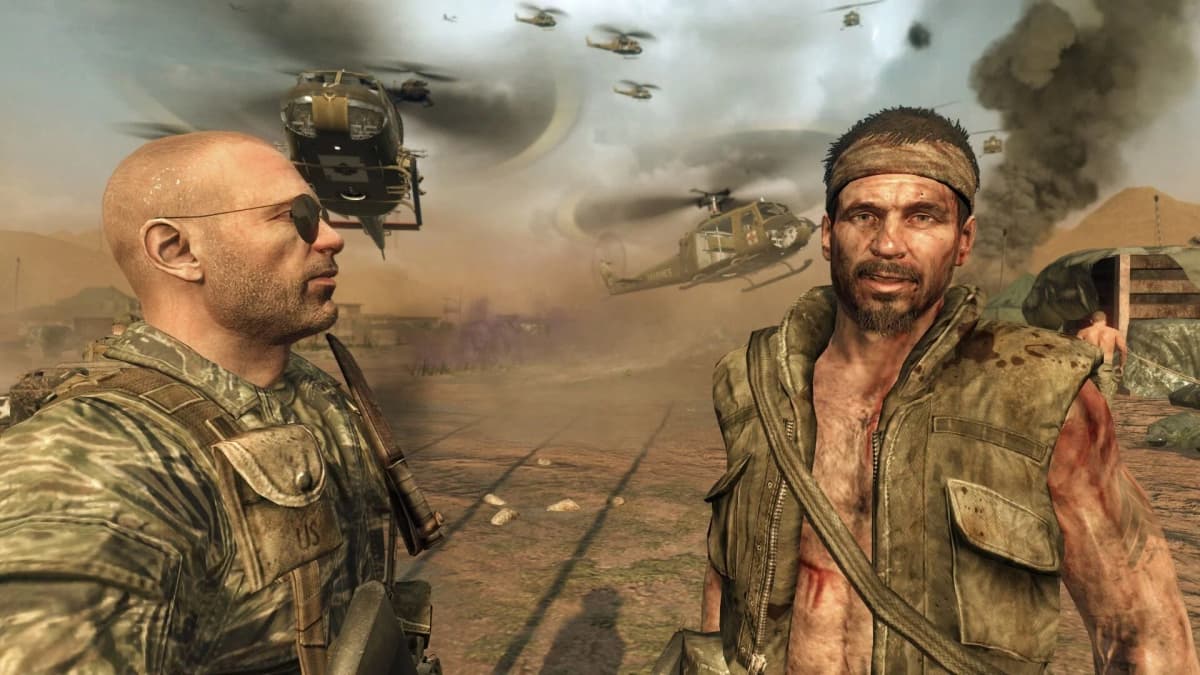
On the Zombies side, Astra Malorum looks like the headline — a full-size map continuing the Easter egg saga. Exit 115 and Zarya Cosmodrome round out the returns, which is great if you like co-op story hunts. But the bigger systems change is the Warzone integration: Haven’s Hollow Resurgence syncs BO7 progression with Warzone. That’s useful for players who bounce between modes, but it also tightens the lifecycle around seasonal content and live-service hooks.
Why I’m skeptical — and what to watch for
Three red flags: 1) First battle pass in a Black Ops launch signals heavier season-long monetization; 2) Seven DLC weapons at launch risk quick power creep unless carefully balanced; 3) Heavy reliance on remasters looks like a content shortcuts strategy. None of this is fatal — I’m genuinely excited for Fate’s verticality and Astra Malorum’s story beats — but it matters whether Treyarch supports these maps with smart balance patches and not just microtransaction funnels.
Want to Level Up Your Gaming?
Get access to exclusive strategies, hidden tips, and pro-level insights that we don't share publicly.
Ultimate Gaming Strategy Guide + Weekly Pro Tips
Practical tips for players on day one
If you jump in December 4: master movement tech first (1-3 hours in private matches), favor SMGs and shotguns on Fate and Odysseus, keep an AR or hybrid on Utopia and Standoff, and test the new DLC weapons cautiously — treat them like meta experiments until patches land. Also, track timed events that sync progression between Warzone and BO7 to avoid missing unlock windows.
TL;DR
Black Ops 7 Season 1 gives you a lot to play: flashy vertical maps, a Zombies centerpiece, Warzone cross-progression, and the franchise’s first battle pass. It’s exciting for players who love movement-heavy combat and community events, but keep an eye on balance and monetization moves. If Treyarch supports these maps with careful tuning, Season 1 could be one of the livelier Call of Duty winters — if not, it’ll feel like a pretty-looking treadmill.
Level Up Your Setup
- → Top-rated gaming headsets on Amazon
- → High-refresh gaming monitors on Amazon
- → Gaming chairs on Amazon
- → Gaming desks on Amazon
As an Amazon Associate, FinalBoss earns from qualifying purchases.