
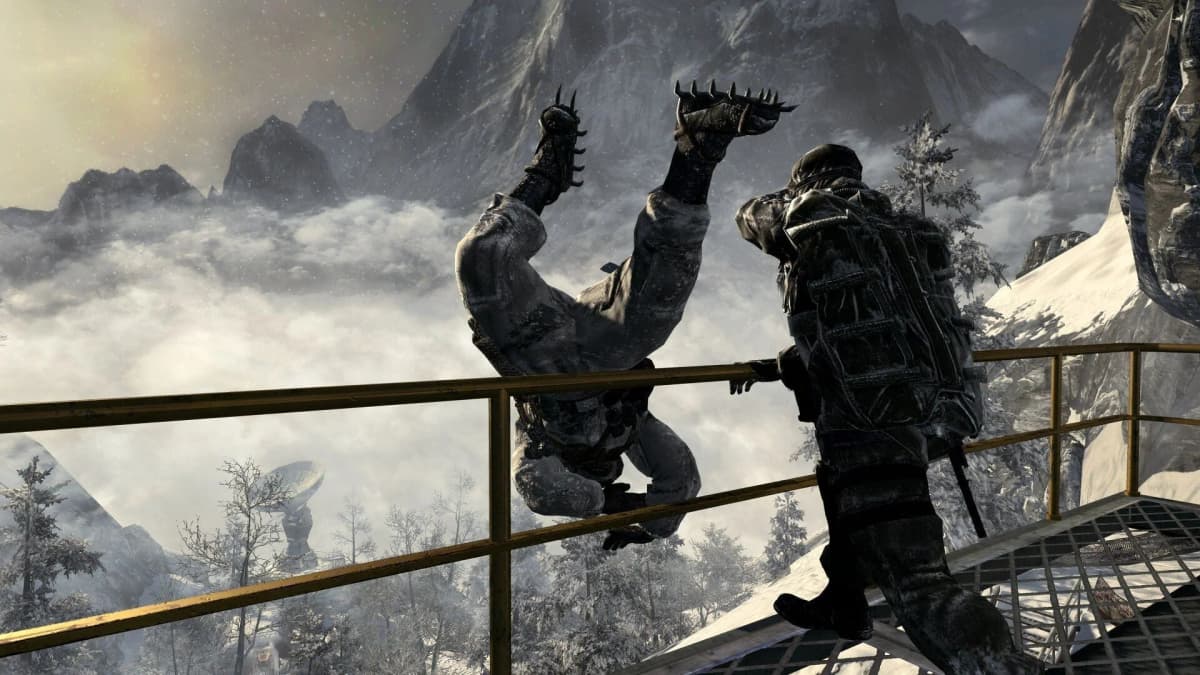
Black Ops 7 topped November, but its sales slip tells a bigger story
Game intel
Call of Duty: Black Ops 7
Call of Duty: Black Ops is the seventh main Call of Duty game and the sequel to Call of Duty: World at War. The game differs from most previous installments, w…
Why this matters to players: No.1 rank masks a revenue problem
This caught my attention because Black Ops 7 being the No.1 best-selling game in North America for November sounds like business as usual – except Circana’s latest sales snapshot also shows the franchise’s full-game dollar sales declined by double digits versus November 2024. In plain terms: plenty of people played it, but the money pulled in at full price was materially lower. That mismatch is exactly the kind of headline that matters beyond charts – it signals how subscription services, release cadence, and the franchise’s own strategy are reshaping what “success” looks for blockbuster shooters.
- Top seller, weaker revenue: Black Ops 7 led November in North America but full-game dollar sales are down double digits compared to last November.
- Game Pass effect: Circana notes Game Pass availability and North America-only tracking likely suppressed full-price revenue.
- Strategic shift incoming: Activision reportedly won’t repeat sub-series releases every year – cadence matters for franchise health.
- Watch monetization: Lower full-price sales don’t necessarily mean less overall revenue if live services and microtransactions carry the load.
Breaking down the numbers (and the obvious caveats)
Circana’s data gives two contrasting facts: rank and revenue. Black Ops 7 being No.1 in November is straightforward — it outperformed competitors in unit-equivalent terms that month in North America. But ranking and raw dollar intake aren’t the same metric, and the report highlights a double-digit decline in full-game dollar sales versus November 2024. That’s a significant gap for a franchise used to reliably huge openings.
Two caveats matter. First, Circana’s snapshot is North America-focused; global sales can look very different. Second, Game Pass availability changes the math: if many players access the game through a subscription instead of buying at full price, traditional “sell-through” revenue drops even if playership stays high. For publishers, that can be OK — if subscription licensing payouts and long-term live-service revenue make up the difference. The dataset here likely undercounts that nuance, which is why the report flags Game Pass explicitly.
Why Activision signaling a cadence change matters
The note that Activision will avoid repeating sub-series yearly is the strategic headline tucked inside the numbers. Call of Duty has historically leaned on a fast cadence — new entries almost every year — and sub-series repetition (for example, swinging back to another “Black Ops” entry soon after the last) risks fatigue. Slowing down releases or alternating sub-series gives developers more breathing room, helps avoid brand dilution, and can raise the quality and uniqueness of each drop. For players, that could mean fewer churn-inducing sequels and more distinct, better-polished entries.
That said, there’s a trade-off: fewer big full-price launches means the publisher must squeeze more lifetime value from each title via seasons, battle passes, cosmetics, and cross-title integrations. If Black Ops 7’s lower full-game revenue was offset by stronger microtransaction income or higher engagement through Game Pass, overall health may be intact even if headline dollar sales dipped.
Want to Level Up Your Gaming?
Get access to exclusive strategies, hidden tips, and pro-level insights that we don't share publicly.
Ultimate Gaming Strategy Guide + Weekly Pro Tips
What gamers should expect next
If Activision actually spaces out sub-series entries, players should expect three tangible shifts: slower release tempo for recognizably branded sequels, more investment in live-service content to keep engagement high between releases, and heavy emphasis on cross-play, cross-progression, and cosmetics to drive recurring spending. For those tired of annualized sameness, that’s promising. For completionists or those who buy at launch, it may be annoying if a big chunk of the game’s appeal funnels into post-launch monetization.
Also keep asking: are full-price declines being made up elsewhere? How is Game Pass compensation stacking up against direct sales? And critically, how will this affect developer workloads and studio structure — slowing cadence can be kinder to teams, but publishers often hedge by pushing more DLC and monetization features.

TL;DR
Black Ops 7 topping November’s sales charts doesn’t tell the full story: full-game dollar sales dipped significantly year-over-year. That gap likely reflects Game Pass distribution and North America-only tracking, and it’s pushing Activision toward a less frenetic sub-series schedule. For players, this could mean fewer rushed sequels and more live-service focus — a mixed bag depending on whether you value polish or prefer buying boxed experiences.