
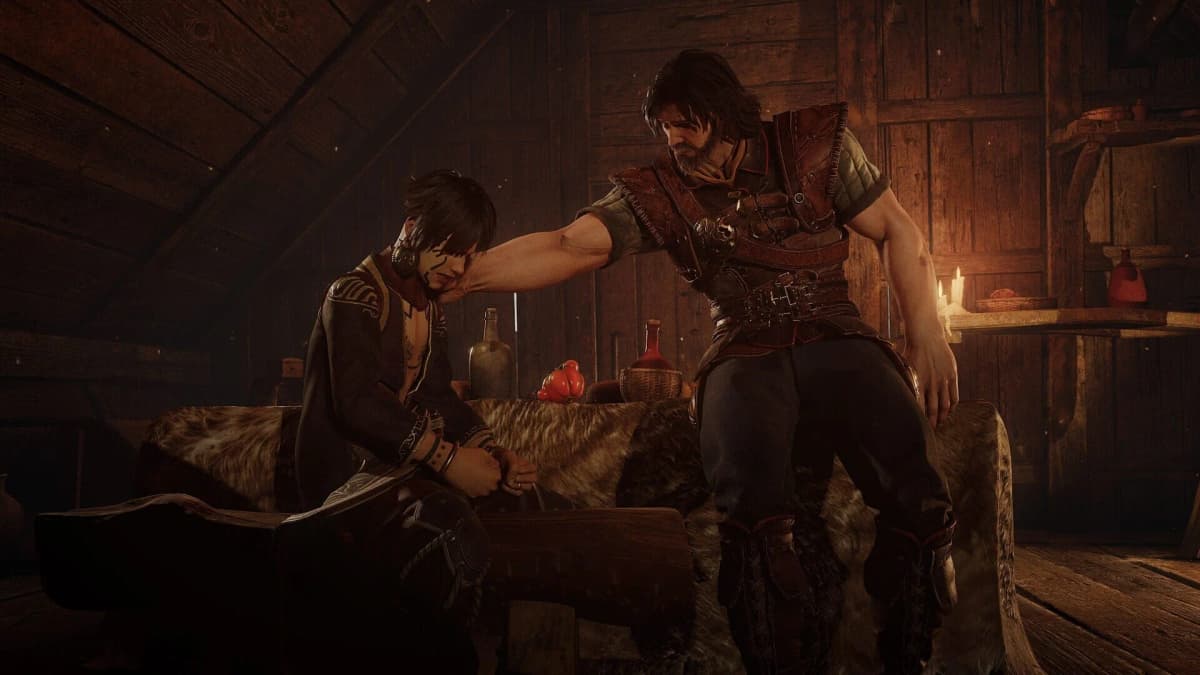
Blades of Fire, Burnout, and Fear: 3DJuegos Alleges MercurySteam’s Toxic Work Culture
Game intel
Blades of Fire
Introducing Blades of Fire, an all-new action adventure that takes you across a beautiful world full of uncertainty and challenge. You take on the role of Aran…
Why This Story Hit Hard
This caught my attention because MercurySteam isn’t some unknown outfit. These are the folks behind Castlevania: Lords of Shadow and Nintendo’s Metroid Dread-games with real cachet. When a respected Spanish outlet like 3DJuegos publishes a detailed investigation alleging toxic working conditions around the May 22 release of Blades of Fire, you listen. The report spans January to September 2025 and is built on testimonies from about a dozen current and former staff. It paints a picture of imposed 9-10 hour workdays, remote work being pulled, canceled leave, last-minute schedule changes, beefed-up surveillance, and August layoffs tied to weak sales. If you remember MercurySteam’s earlier controversies over crediting and workplace issues in the early 2020s, this feels like déjà vu with sharper edges.
Key Takeaways
- 3DJuegos reports mandatory 9-10 hour days justified as “production needs,” with pushback allegedly risking termination.
- Remote work allegedly curtailed even for medical reasons; leave limited; schedules changed at the last minute.
- Between August 20-22, 18 staff were let go, reportedly tied to underwhelming Blades of Fire sales.
- Post-launch, the studio allegedly increased internal surveillance and communication controls, fostering a culture of silence.
Breaking Down the Allegations
3DJuegos says that in early 2025 MercurySteam instituted longer workdays-first nine hours, then 10 for some roles-described internally as non-optional. One developer is quoted saying these hours were “totally mandatory,” noting that in Spain overtime should generally be voluntary. The outlet adds: “The company exploited workers’ general lack of knowledge about their rights.” Another developer captured the vibe more bluntly: “If Mercury does one thing well, it’s playing with fear, because there’s nowhere to go in the industry.”
Opposing extra hours was reportedly frowned upon and, in at least one case, allegedly cost someone their job when a trial period was ended two days early. Add to that the reported reduction or removal of remote work—even for medical reasons—plus canceled leave and schedule changes dropped at the 11th hour, and you’ve got a studio sprinting on fumes.
Then came the layoffs. According to 3DJuegos, 18 people were let go between August 20 and 22 due to a “lack of work” and Blades of Fire’s disappointing sales. For teams that had just pushed through intense overtime, that explanation stings. From September, the report says internal surveillance ramped up with shutdowns of informal chat channels and random audits. One employee summed it up: “Fear settles in and the silence can be felt.”
To be clear: these are allegations. 3DJuegos’ reporting is specific and consistent across multiple testimonies, but FinalBoss has not independently verified the claims. The report does not include a detailed rebuttal from MercurySteam at the time of publication.
The Industry Context: Crunch Isn’t a Relic
If this sounds depressingly familiar, that’s because crunch never really left. We’ve seen versions of this at Rockstar, CD Projekt Red, and elsewhere—“temporary” overtime becomes standardized, “voluntary” shifts turn quietly compulsory, and resistance gets framed as not being a “team player.” Spain’s labor laws theoretically guard against some of this, but enforcement tends to lag when fear of layoffs is in the air. And 2025 is still a brutal year for studios across the board: soft sales, shaky funding, and consolidation have turned “lack of work” into a common pretext for cuts.
MercurySteam’s history adds weight. After Metroid Dread landed in 2021, former devs said they were left off the credits—a huge red flag for how a studio values people. When crediting is cavalier, forced overtime often isn’t far behind. That pattern is exactly what this new report suggests: a managerial playbook built around urgency, sacrifice, and fear.
Want to Level Up Your Gaming?
Get access to exclusive strategies, hidden tips, and pro-level insights that we don't share publicly.
Ultimate Gaming Strategy Guide + Weekly Pro Tips
Why Gamers Should Care
Crunch isn’t just a workplace problem; it bleeds into the games you buy. Mandatory 10-hour days are a fast track to burnout, bugs, and conservative design decisions that avoid risk. If Blades of Fire underperformed—and the report implies it did—then the people who crunched hardest are the same ones who got cut, and the players who bought in may see slower patches, minimal post-launch content, or a quiet sunset. That’s not how you build trust with fans, or with platform partners like Nintendo.
And let’s be honest: this affects your wallet. If studios normalize “crunch then cut,” you’ll keep paying full price for games cooked in chaos. The cycle is predictable: morale tanks, experienced talent bails, and the next project starts already behind. You don’t have to call for a boycott to care. But you can ask hard questions—about patch cadence, about the scope of future updates, about how a studio communicates during crisis.
For those who want to support devs without enabling bad behavior: be vocal, not hostile. Hold publishers and studios to their public commitments. Celebrate delays that prevent crunch. And when the credits roll, check that the people who did the work are actually named.
What to Watch Next
Three things matter from here. First, does MercurySteam address the allegations with specifics—policies, hours, comp time, clear remote-work guidelines—or do we get vague PR gloss? Second, does the Spanish Labor Inspectorate take interest? Forced overtime and retaliatory firings would raise eyebrows. Third, the games: will Blades of Fire get sustained support, and will future projects (especially high-profile collaborations) proceed without public concern from partners?
If the studio wants to keep top-tier talent and platform trust, it needs to replace fear with transparency. Otherwise, the next headline won’t be about a game—it’ll be about who’s left to make it.
TL;DR
3DJuegos alleges MercurySteam enforced 9–10 hour workdays, cut remote work and leave, tightened surveillance, and laid off 18 staff after Blades of Fire’s weak sales. It’s the same old crunch playbook with a modern twist: control the channels, control the fear. Gamers should care, because unsustainable production kills games just as surely as bad design.