
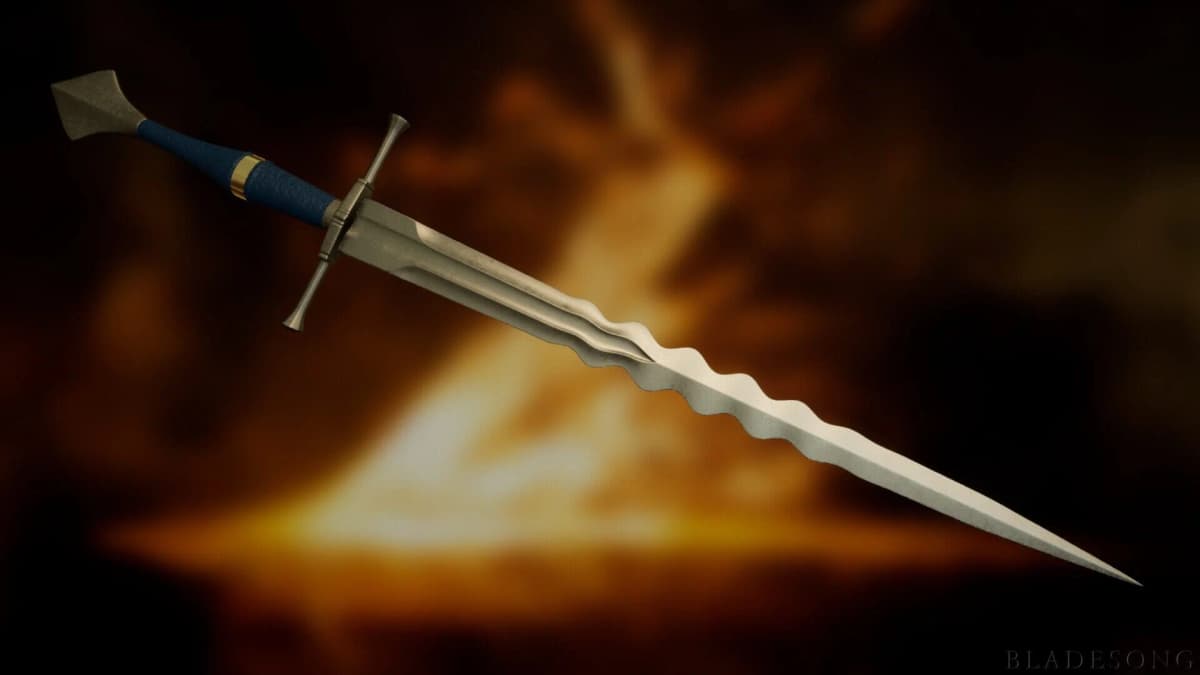
Bladesong demo slices into Steam Next Fest with sharper tools and real potential
Game intel
BLADESONG
Crafting/management game Bladesong is set on taking swordmaking mechanics to a new level, featuring unparalleled customization of the sword's every detail and…
Why Bladesong’s demo actually caught my eye
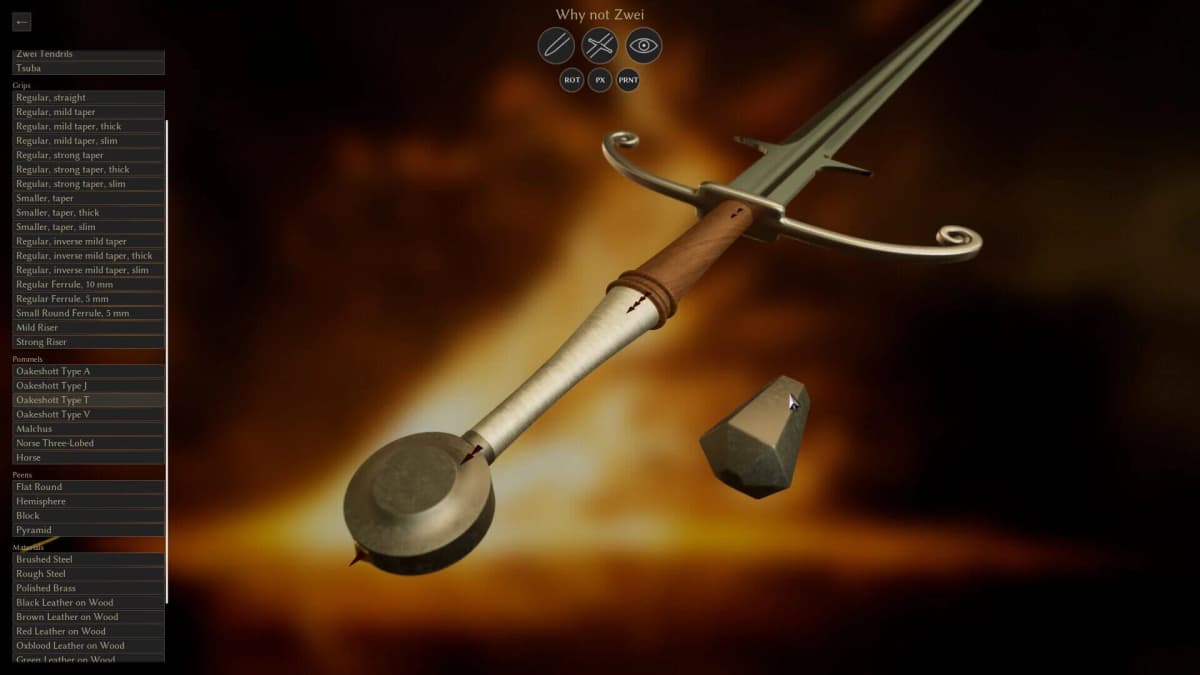
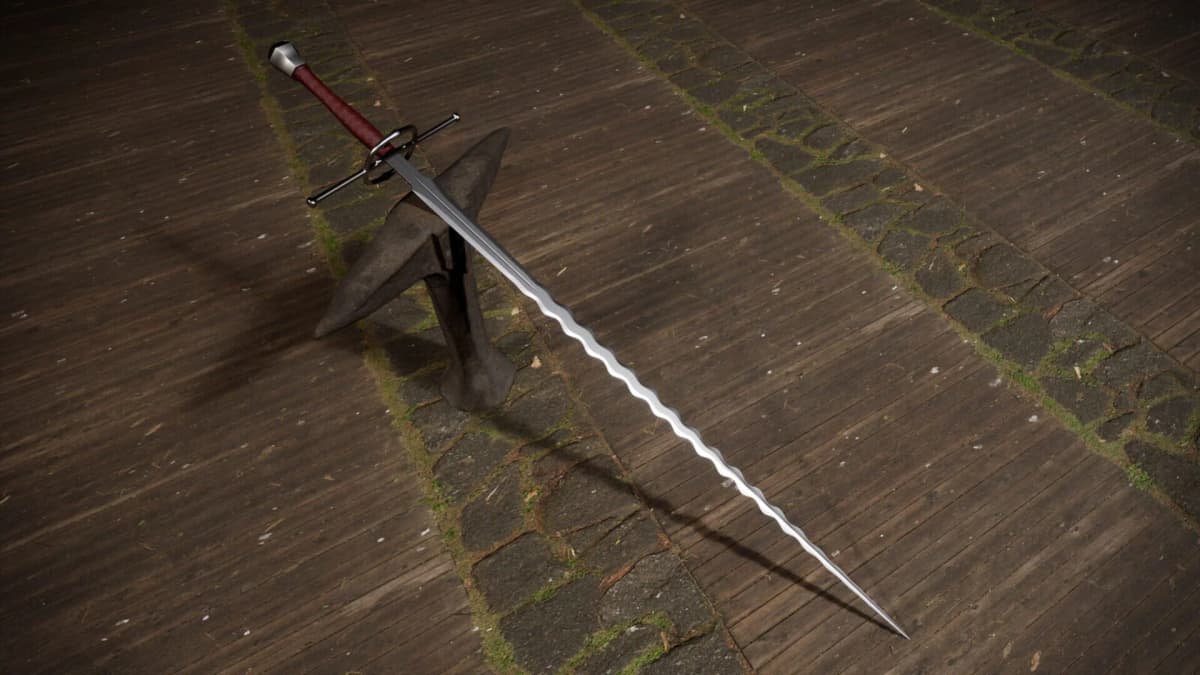
We get a lot of “crafting sims” that promise depth but boil down to progress bars and pretty menus. Bladesong isn’t playing that game. The Steam Next Fest demo lets you start your swordsmithing life at Eren Keep and, crucially, it adds two new story levels plus Creative Mode upgrades that sound designed for tinkerers: new parts and materials, an extra editable slot, and improved part bending. That last one matters-better bending means finer control over curvature and profile, the difference between a toy and something that looks and feels like a blade.
- Two new story levels land in the demo, giving a better sense of campaign pacing.
- Creative Mode now has more parts/materials, an extra editable slot, and tighter part bending.
- Early Access is slated for late 2025-this is a long runway, not a quick launch.
- The focus looks squarely on tactile shaping over tycoon fluff, which is the right call for a smithing sim.
Breaking down what’s actually in the demo
Developer SUN AND SERPENT creations and publisher Mythwright are pitching Bladesong as a swordmaking sim set in the grimy medieval-fantasy city of Eren Keep. The demo puts you at the anvil with a slice of that campaign and a beefed-up Creative Mode. The headline features are practical if you’ve ever tried to sculpt anything in-game: more parts and materials expand the palette, the extra editable slot means fewer trips back and forth between components, and “improved part bending” implies the shaping tools got more precise. If you’ve played sims like Potion Craft for its tactile feel or Anvil Saga for the shop fantasy, Bladesong is clearly aiming at the “hands-on craftsmanship” side of the spectrum.
The two new story levels should help answer whether the campaign is just a tutorial wrapper or something with stakes. Swordsmithing games live or die on how they translate specs into craft-length, balance, weight, edge geometry—and how that meets a client’s demands. If the levels push you to make tough trade-offs rather than just “hit the green zone,” that’s a good sign.
The real story: it’s about feel, not menus
Bladesong’s pitch resonates because it prioritizes feel. You can smell the coal and hear the ring in your head, not just drag sliders. The improved part bending is exactly the kind of iteration that says the team is obsessing over blade geometry rather than padding the feature list. An extra editable slot also sounds small until you’re mid-build juggling a fuller, guard, and pommel—less UI friction means more time shaping steel.
This isn’t to say shop systems don’t matter. Games that focus only on the “vibes” of crafting with no systemic backbone burn out fast. But we’ve already got a glut of management-light, mood-heavy sims. If Bladesong nails the tactile forging while layering in meaningful specs and client feedback, it could sit in that sweet spot we usually only get glimpses of in RPG minigames.
Questions the demo needs to answer
- Progression and stakes: Do client requests escalate in a way that forces experimentation, or is it a string of similar commissions with tighter tolerances?
- Grading and feedback: How does the game judge sharpness, balance, and durability? A good feedback loop nudges better technique without feeling punitive.
- Controls and accessibility: Mouse-and-keyboard sculpting can be brilliant or maddening. Are there snapping aids, ghost overlays, or presets for newcomers?
- Performance: Precision tools need responsive input. Does the demo keep frame times tight when parts stack up?
- Community and sharing: Creative Mode screams for blueprint saving and sharing. Even basic import/export would supercharge the scene.
- Roadmap clarity: With Early Access not planned until late 2025, how often will builds evolve? A long runway is fine if the feedback loop is alive.
Want to Level Up Your Gaming?
Get access to exclusive strategies, hidden tips, and pro-level insights that we don't share publicly.
Ultimate Gaming Strategy Guide + Weekly Pro Tips
Why this matters right now
Crafters have had a good run—PC Building Simulator turned component tinkering into cozy ritual, and Potion Craft proved that physicality sells the fantasy better than spreadsheets. A blacksmithing sim that really lets you sculpt steel, not just click through an assembly line, could carve out a devoted niche. The demo’s small but sensible upgrades suggest the team knows where the friction is and is sanding it down.
The caution flag is the timeline. Late 2025 Early Access means you shouldn’t expect a full release anytime soon. That’s fine if the demo shows a strong foundation; it’s less fine if it feels like a pretty prototype. I’m rooting for the former, because the fantasy of becoming Eren Keep’s go-to smith hits different when the craftsmanship feels earned rather than automated.
TL;DR
Bladesong’s Steam Next Fest demo adds two campaign levels and meaningful Creative Mode tools—more parts and materials, an extra editable slot, and better part bending. The focus on tactile shaping is the hook; the big open questions are progression depth, feedback systems, and how the team sustains momentum en route to a late 2025 Early Access. If the feel lands, smiths, we might have something special on the anvil.