
Diablo 4’s latest emergency fix is simple on paper: the Aspect of Limitless Rage is temporarily disabled. The part that actually matters is why Blizzard had to do it. This was not a routine “numbers are a little too high” balance pass. Players found an interaction that let Barbarian damage scale into the kind of territory where the UI stops being useful and the game starts looking held together by duct tape and prayer.
The exploit centered on Limitless Rage stacking far beyond its intended behavior when paired with specific gear, most notably Melted Heart of Selig and Endurant Fate. In normal use, the aspect is supposed to reward Fury generation with a short-lived damage bonus. Instead, players were reportedly able to generate 15,000-plus stacks almost instantly through Whirlwind and heavy Fury sustain, which translated into damage numbers in the quadrillions on high Pit tiers. Blizzard confirmed the disablement in an official forum post, marked affected items as temporarily disabled, and said it will re-enable the aspect once a fix is ready. No timeline was given.
Table of Contents (4)
This was an exploit, not a “creative build”
That distinction matters, because every ARPG community has the same argument whenever something breaks the sandbox. One side calls it buildcraft. The other calls it abuse. In this case, Blizzard’s answer was about as subtle as a hammer: it shut the aspect off entirely.
Limitless Rage is meant to convert Fury generation into a temporary damage payoff. The intended risk-reward loop is obvious enough. Build around Fury, keep momentum up, cash out with bigger hits. What players found was an interaction where that stacking behavior spiraled out of control instead of refreshing and falling off the way it should. Add Melted Heart of Selig, which ties Fury into survivability, and Endurant Fate, which spreads incoming damage over time, and the system stopped behaving like a balance problem and started behaving like a math exploit.
That is the uncomfortable observation Blizzard would probably prefer to skip past: this combo did not produce “strong” results. It produced obviously broken results. When a build is posting damage in the quadrillions, nobody needs a spreadsheet to know the server room is sweating.
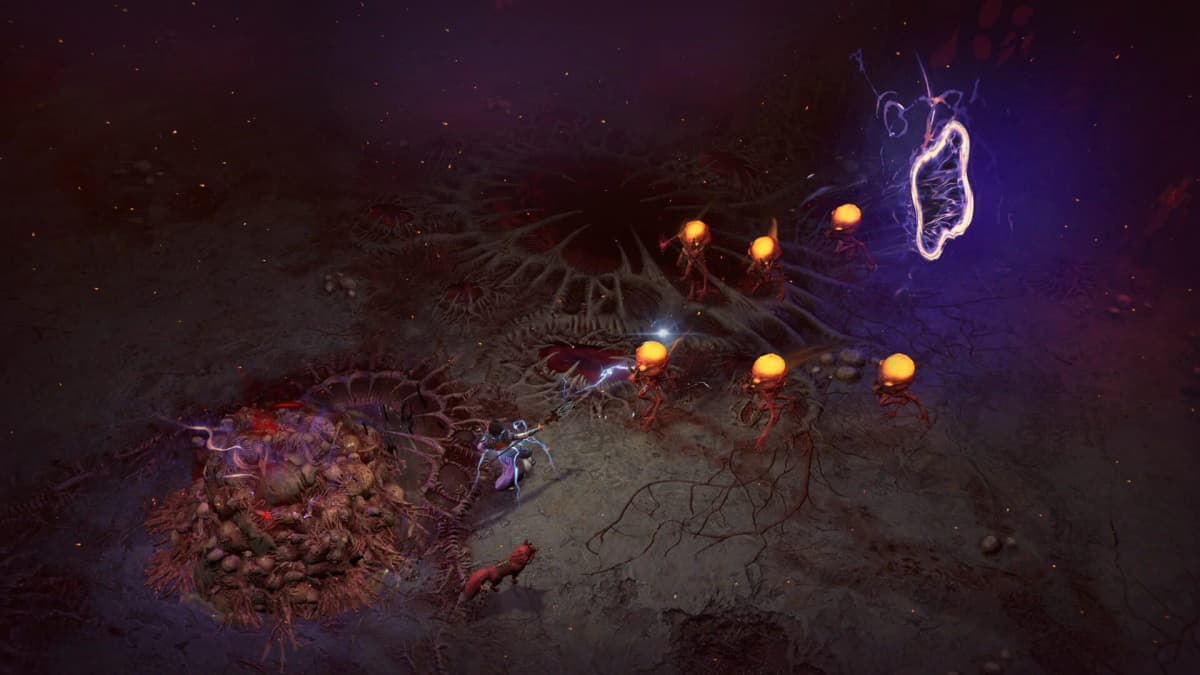
The bigger problem is what this says about item interaction testing
Diablo 4 has been here before, just with different nouns. Not always quadrillions, not always Barbarian, but the pattern is familiar: one patch or season introduces enough moving parts that a few edge-case interactions slip through, and the player base finds them faster than internal testing does. That is not unique to Blizzard. It is basically the live-service ARPG genre in one sentence. But Diablo 4 keeps running into a harsher version of that problem because its item ecosystem increasingly relies on layered synergies that can go nonlinear very quickly.
That is the real story here. A disabled aspect is annoying if you were using it. A repeatedly exposed testing gap is more important because it tells players something about how seasonal tuning is being stress-tested before it goes live. If one interaction can leap from “reward Fury generation” to “erase endgame difficulty,” then the question is not just whether Blizzard can hotfix fast. It is whether the game’s current item design is outpacing its ability to reliably predict what players will do with it.
And players will always do this. They are supposed to. ARPG communities exist to break systems open, optimize them, and find the ugliest possible route to power. That is not bad behavior in itself. It is the natural endpoint of loot-driven game design. The studio’s job is to make sure the reward curve bends without snapping.
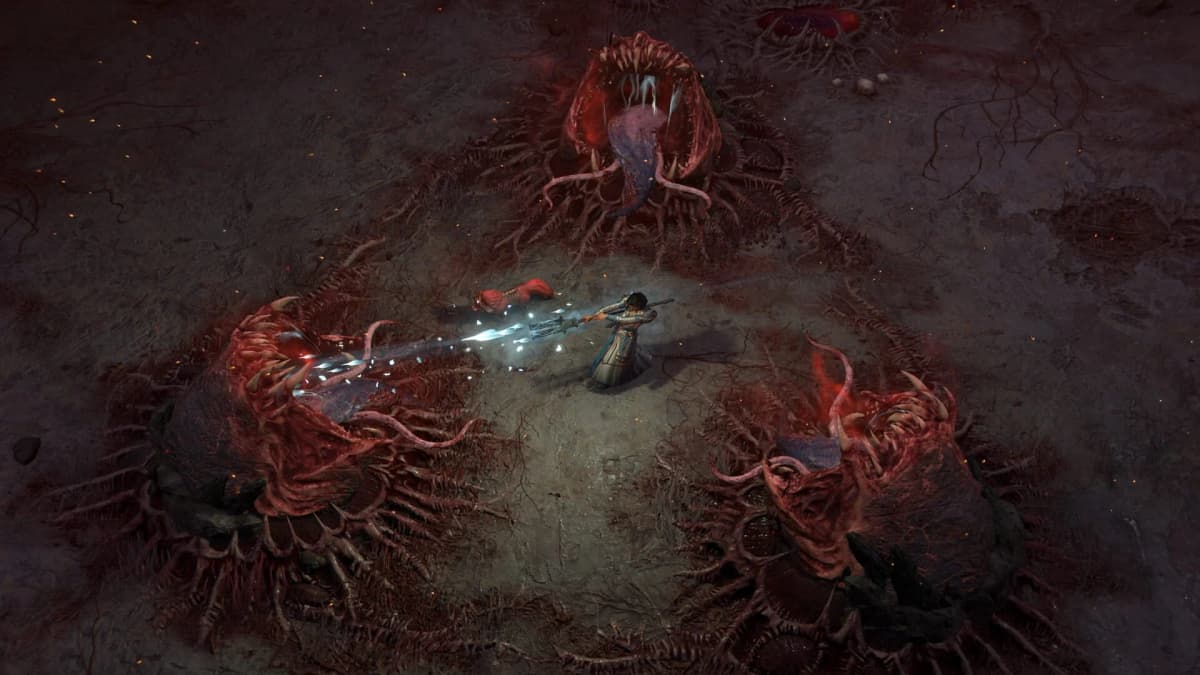
Why Blizzard chose the blunt instrument
Temporarily disabling the aspect instead of merely nerfing numbers tells you this is not something Blizzard believed it could safely tune on the fly. A simple value adjustment would have been the cleaner PR move. Lower the multiplier, issue a patch note, move on. Pulling the entire aspect suggests the bug sits inside the logic of how stacks are being generated or maintained, not just in the final damage value.
That matters for two reasons. First, it means Barbarian players who were using the aspect legitimately are now collateral damage. That is never popular, but it is often the least bad option when an item’s behavior is fundamentally compromised. Second, it tells everyone else that Blizzard did not want this thing lingering in the ecosystem while players raced to weaponize it harder. Once high-end players can trivialize top-tier content, the rest of the ladder warps around it almost immediately. Video guides spread. Expectations shift. Legitimate builds start looking weak by comparison. The longer that sits untouched, the worse the cleanup gets.
The obvious PR question here would be: how did this interaction make it live when the component pieces are not exactly obscure? Melted Heart of Selig is a marquee item. Whirlwind Barbarian is never some fringe lab experiment. Fury-based scaling is one of the most tested ideas in this class’s history. If Blizzard has a good answer, that answer would be more reassuring than the disablement itself.
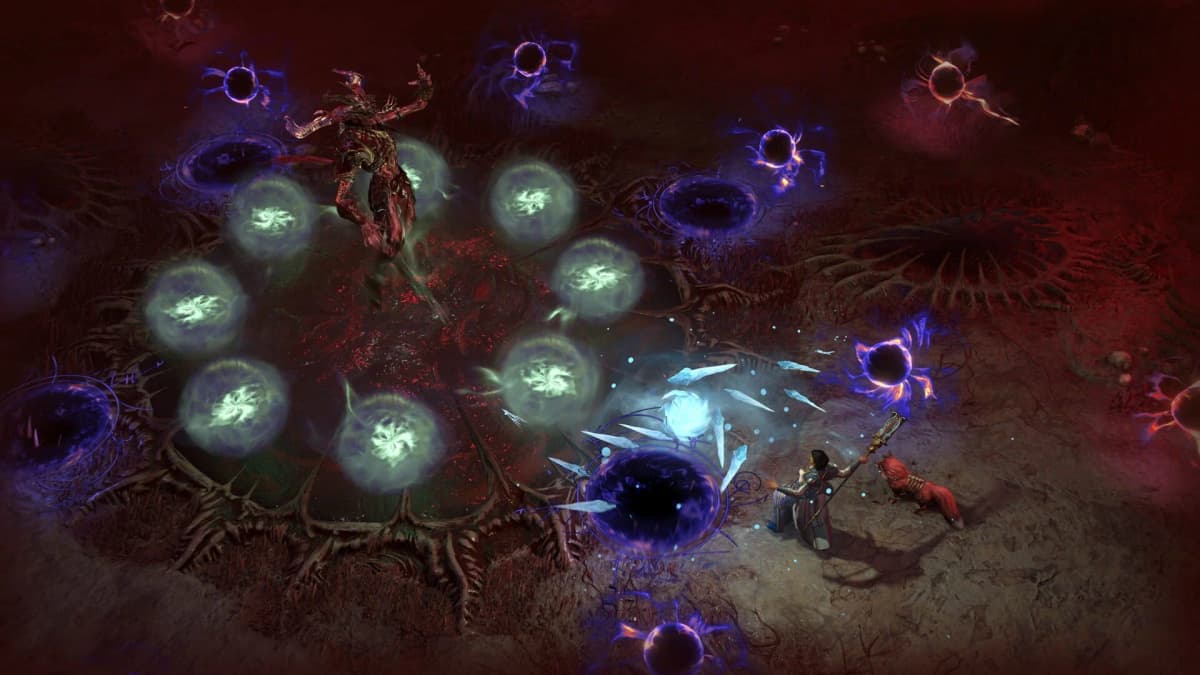
What players should actually care about next
The short-term reality is straightforward. If your build depended on Limitless Rage, it is dead until Blizzard flips the switch back on. The item should display as temporarily disabled, and there is no publicly confirmed reactivation date yet. So the immediate move is not to wait around hoping your old setup magically works tomorrow. Pivot now.
What matters more is how Blizzard handles the return. There are really only two acceptable outcomes. Either the aspect comes back with the stacking bug properly fixed and its intended use case still intact, or Blizzard admits the mechanic was too volatile and redesigns it enough that this exact kind of runaway interaction cannot happen again. The worst option would be the classic live-service half-measure: re-enable it with a vague adjustment, then spend the next week chasing new edge cases while players stress-test the patch in real time.
- Watch Blizzard’s next hotfix notes for whether the fix addresses stack generation, stack duration, or both.
- Watch high-Pit clears after the re-enable. If Barbarian instantly jumps back to absurd outlier status, the root problem was not solved.
- Watch whether Blizzard explains the interaction in technical detail. The more specific the explanation, the more confidence players can reasonably have in the fix.
The practical takeaway is pretty simple: treat this as a hard reset, not a temporary inconvenience. If you are pushing endgame on Barbarian, build around something that survives contact with the next hotfix. And if you are judging Blizzard’s response, do not focus on the comedy of “quadrillions of damage.” Focus on whether the studio shows it understands why this combination broke so badly in the first place. That answer will matter a lot longer than one disabled aspect.
FinalBoss // Gear
Level up your setup
01Top-rated gaming headsetson Amazon→02High-refresh gaming monitorson Amazon→03Gaming chairson Amazon→04Discounted game keyson Kinguin→Affiliate links · As an Amazon Associate, FinalBoss earns from qualifying purchases.
Want to Level Up Your Gaming?
Get access to exclusive strategies, hidden tips, and pro-level insights that we don't share publicly.
Ultimate Gaming Strategy Guide + Weekly Pro Tips