
Diablo IV briefly shipped a quality-of-life feature that did the opposite of its job. Blizzard added an automatic exit portal at the end of Pit completions and some dungeon runs, players immediately started misclicking it while trying to grab loot or interact with glyph-related rewards, and Blizzard yanked it back out in a hotfix. The useful part of this story is not that one annoying portal is gone. It is that Diablo IV’s endgame still has a bad habit of putting speed and friction reduction ahead of interaction safety, which is a much bigger design problem than one botched shortcut.
As of the May 3 hotfix, those end-of-run portals are no longer automatically appearing in the affected activities. The practical answer for players is simple: yes, runs are safer again in the immediate sense. You can still leave the old-fashioned way, via town portal or the interaction wheel, without a giant click target materializing on top of the stuff you were actually there to collect. That should not count as a major victory, but in live service games, restoring basic reliability often gets treated like one.
Table of Contents (5)
This was not a balance issue; it was a basic interaction failure
The original pitch for the portal was easy to understand. Pit and Tower-style loops are repetitive by design. If the game can shave a few seconds off the exit process, that sounds harmless enough. But Diablo is a game built around compulsive clicking in dense visual noise. That matters. The moment Blizzard placed a high-priority exit interaction on or near dropped loot and glyph reward points, it stopped being convenience and became a trap.
Players on the official forums and social channels were not complaining about edge cases. The complaint was structural: the portal was spawning where their cursor needed to be. That meant accidental exits while looting boss drops, accidental exits while trying to manage glyph-related interactions, and in some reports, rewards effectively left behind because the run had already been terminated. In a genre where the reward click is the whole ritual, that is not a minor UI paper cut. It is the design equivalent of putting the power button on top of the save icon.
Blizzard’s quick rollback is the right move, and to its credit, it seems to have recognized that the feature “missed the mark.” But it also raises the obvious question the announcement does not answer: how did this survive testing in the first place? You do not need a thousand-hour Pit grinder to spot the problem. You need one tester completing one run and trying to pick up loot where the game tells them to click. That is why this story lands harder than a normal hotfix note. It looks less like an unpredictable exploit and more like a failure to model normal player behavior.
What Blizzard removed was redundant, which made the mistake harder to excuse
If the portal had enabled something players could not already do, there would at least be an argument for taking the risk. But players already had exit options. Town Portal exists. The interaction wheel exists. Diablo IV was not missing an escape hatch. Blizzard added a faster one, then placed it in the worst possible location. That makes the rollback less a controversial reversal and more a repair job.
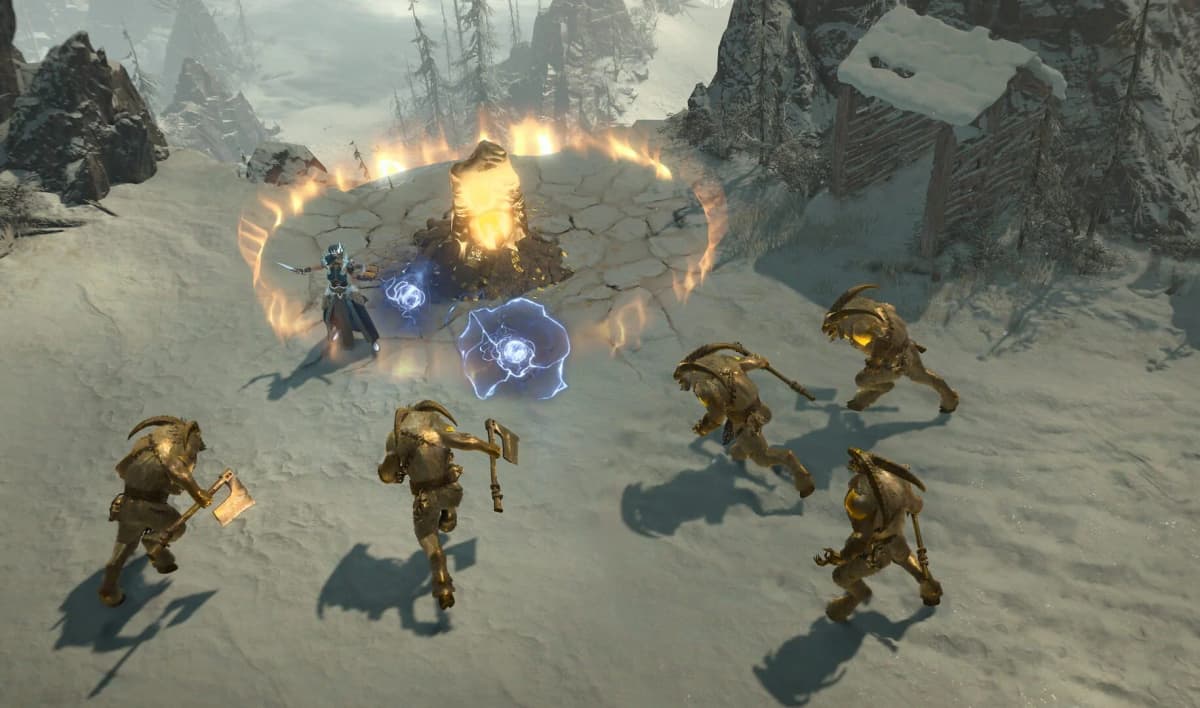
This is the part PR language tends to blur. “Quality of life” has become one of those phrases that can hide almost anything, from genuinely smart friction cuts to changes that save half a second while introducing a new failure state. The end-of-dungeon portal belonged squarely in the second category. It was solving a problem that was already mostly solved, while creating a new risk around the only thing players actually cared about at that moment: their rewards.
That tradeoff is especially bad in Diablo because loot interaction is not optional decoration. It is the endpoint of the activity loop. The run exists to produce the click. An ARPG can get away with clunky travel, overlong loading, and too many menu tabs for a surprising amount of time. It cannot get away with making reward collection feel unsafe. Once players think “I need to be careful not to lose my drop by touching the wrong thing,” trust in the loop starts to erode.
The bigger signal is that Diablo IV is still sanding rough edges in public
This incident would be easier to dismiss if Diablo IV did not already have a long history of learning obvious lessons the expensive way. Since launch, Blizzard has spent a lot of time reworking systems that felt undercooked on arrival: itemization, progression pacing, reward clarity, stash friction, endgame incentives, and now another oddly basic usability problem in a supposedly mature live game. Some of that is the normal reality of running an always-on ARPG. Some of it is the cost of shipping iteration to players and waiting for pain points to self-report.
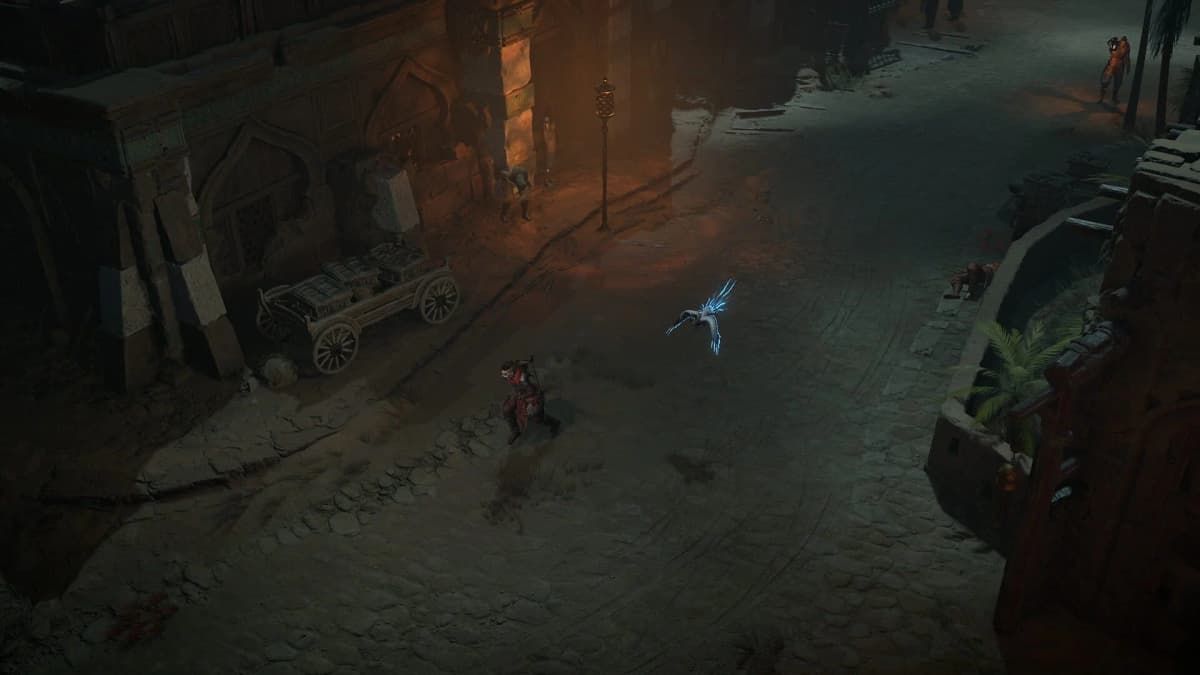
That pattern matters because Diablo IV is in a different phase now than it was at launch. With newer seasonal or expansion-era changes, the game is trying to present itself as more stable, more generous, and more self-aware about what the community actually values. If that is the goal, then a portal that spawns on top of loot is not just one bad feature. It undercuts the claim that the team has fully internalized where friction is acceptable and where it is fatal.
The timing is also awkward in a very Diablo way. When a live service action RPG is asking lapsed players to come back for fresh endgame content, revised progression, and cleaner systems, the last thing it needs is a story that boils down to “the new convenience feature could make you lose your rewards.” That is exactly the kind of anecdote that travels farther than any patch notes summary, because it is instantly legible and instantly annoying.
There is at least one encouraging read here. Blizzard moved quickly. It did not spend two weeks pretending players were overreacting. It did not frame the problem as isolated user error. In 2026, that counts for something. Plenty of studios still need a full social media fire before they admit a bad interaction is bad. Blizzard saw the complaints, recognized the feature as a miss, and pulled it. Fast response is not the same thing as clean process, but it is better than the usual live-service stonewalling routine.
The real question is whether Blizzard redesigns it or quietly abandons it
The portal itself is not sacred. If Blizzard wants a faster post-run exit flow, there are obvious ways to do it without interfering with reward pickup. Delay the portal spawn until loot and glyph interactions are resolved. Place it well away from drop zones. Require a hold-to-confirm. Put the shortcut on a dedicated post-completion UI prompt instead of a world-space object. None of these are revolutionary design breakthroughs. They are standard guardrails for high-frequency interactions in cluttered combat spaces.
That is why the next move matters more than the rollback. A fast removal tells players Blizzard is listening. A good redesign would tell them Blizzard actually understands the problem. Those are not the same thing. Live-service teams are very good at emergency reversals. They are less consistently good at returning later with a version that feels properly thought through instead of merely less dangerous.
If Blizzard does revisit the feature, the core requirement is simple: exit functionality must never compete with reward interaction priority. Not visually, not spatially, not in input hierarchy. The player’s post-clear state is predictable. They want to loot, review, socket, upgrade, or make the one last glyph decision that determines whether the run felt worth it. Any system added to that moment has to respect the order of operations. Reward first. Cleanup second. Departure last.
What players should watch next
For now, the practical takeaway is narrow but useful: if you are running Pits or the affected dungeon content, the accidental-exit risk tied to the auto portal should be gone after the hotfix. That makes runs functionally safer again, but it does not settle whether Blizzard sees this as a scrapped experiment or a feature awaiting a second pass.
- Watch the next round of Diablo IV patch notes for any mention of a redesigned post-completion exit flow.
- Watch whether Blizzard frames this as a one-off placement problem or a broader UX lesson about loot and interaction priority.
- Watch community reports around Pit and Tower reward handling more generally, because this episode exposed how little tolerance players have left for endgame friction in the reward moment.
The portal is gone. Good. The more important test is whether Blizzard treats this as a small embarrassment to erase from the notes, or as another reminder that in an ARPG, the last click of the run is the one that matters most. If your convenience feature can steal that click, it was never convenient in the first place.
FinalBoss // Gear
Level up your setup
01Top-rated gaming headsetson Amazon→02High-refresh gaming monitorson Amazon→03Gaming chairson Amazon→04Discounted game keyson Kinguin→Affiliate links · As an Amazon Associate, FinalBoss earns from qualifying purchases.
Want to Level Up Your Gaming?
Get access to exclusive strategies, hidden tips, and pro-level insights that we don't share publicly.
Ultimate Gaming Strategy Guide + Weekly Pro Tips