
Blizzard just did what everyone knew it could, but quietly hoped it wouldn’t: it used the full weight of US law to make an example out of TurtleWoW, and in the process sent a message to every private World of Warcraft server still online.
Table of Contents (4)
Key takeaways
- A US federal court has granted Blizzard a permanent injunction against TurtleWoW, forcing the fan-run vanilla server to shut down and stay shut down.
- The order doesn’t just stop operations – it bans development, hosting, promotion, and handing code to any “successor,” aiming to snuff out spiritual reboots.
- TurtleWoW had pushed for a licensing framework for fan servers; Blizzard’s choice to litigate instead is a clear answer: there will be no sanctioned legacy shards.
- This ruling gives Blizzard a legal template to target other private servers and hardens the line between community preservation and corporate control.
This isn’t a takedown, it’s a kill switch
On paper, the case is straightforward. Blizzard sued AFK Craft, the team behind TurtleWoW, in August 2025 for copyright and trademark infringement. Earlier this week, U.S. District Judge Stephen V. Wilson ruled in Blizzard’s favor on all seven causes of action and entered a permanent injunction.
That injunction is the real story. TurtleWoW isn’t just told to shut off the lights and go home. The order bars the operators from:
- Developing, operating, hosting, or updating private/emulated World of Warcraft servers
- Distributing or promoting modified or “remastered” WoW clients
- Marketing or fundraising around those services
- Passing source code, tools, or assets to any “successor” project or helping others do the same
Massively Overpowered reports this comes as part of a consent decree and confidential settlement: if TurtleWoW complies, Blizzard expects the case to be dismissed within about 60 days. If they don’t, Blizzard has the court order it needs to come back hard for damages.
Legally, this is Blizzard locking the door, welding it shut, and putting a camera on it. Not just for TurtleWoW as it existed, but for anything that tries to rise from its code or community.
Private servers kept ‘vanilla’ WoW alive when Blizzard wouldn’t
The awkward bit for Blizzard is that servers like TurtleWoW only exist because, for years, Blizzard refused to give players what they clearly wanted.
Back in the mid‑2010s, Nostalrius and other rogue realms proved there was massive demand for “vanilla” WoW. Blizzard’s public line for ages was that legacy realms were impossible or undesirable – right up until the outcry, petitions, and media pressure made WoW Classic too big to ignore. Classic finally launched in 2019, years after private servers had already done the job of preserving that version of Azeroth.
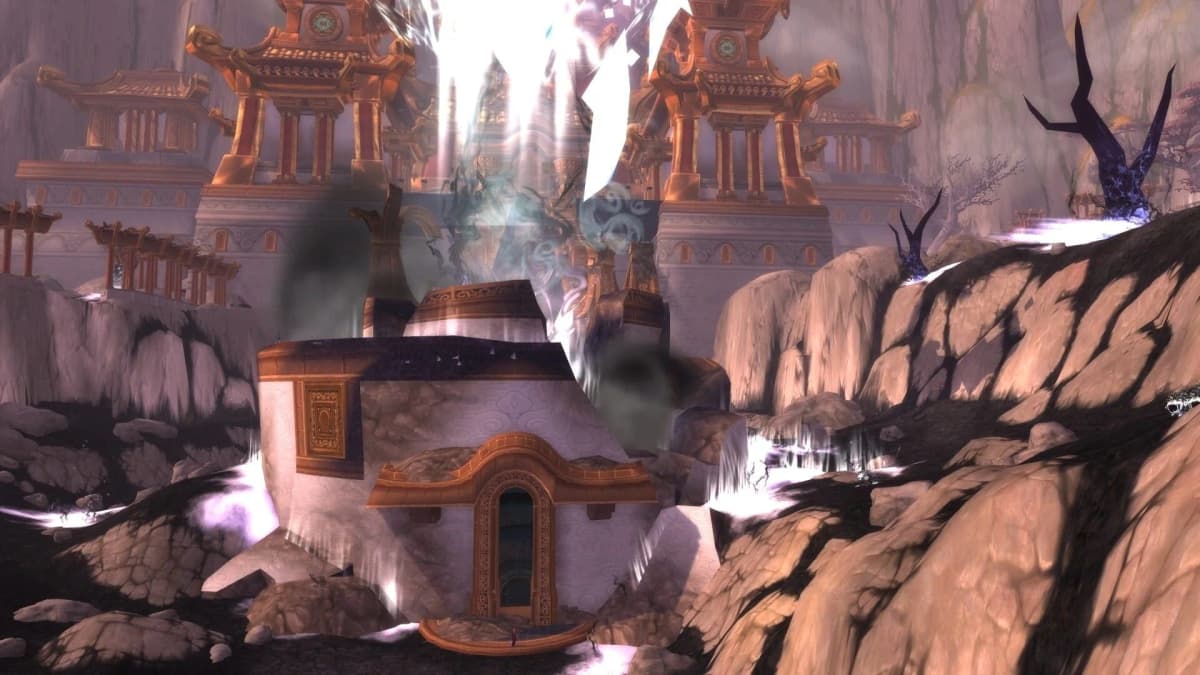
TurtleWoW wasn’t just another copy of patch 1.12. It drifted into “vanilla+” territory: custom quests, tweaked class design, new content tailored to that old-school ruleset. It was a parallel universe where Blizzard’s 2004 design got iterated on, not overwritten by expansions.
That’s also where the legal risk ballooned. According to reporting from PC Gamer and PCGamesN, TurtleWoW accepted donations that could unlock in-game perks and explicitly leaned on Blizzard’s IP branding. Once you’re taking in money and building a substantial playerbase on someone else’s MMO, you’re not in a fuzzy fan-mod gray area anymore – you’re operating an unauthorized live service with a revenue stream.
So yes, Blizzard is on solid legal ground. But the culture around WoW didn’t get here because people wanted to steal content; it got here because Blizzard left gaps in its own offering and the community filled them.
Blizzard chose lawyering over listening
After Blizzard filed the lawsuit, TurtleWoW’s operators published an open letter in late 2025. The core pitch: acknowledge what fan-run projects have done for WoW’s longevity and explore a licensing or partnership model so community servers can exist without the legal sword over their heads.
In other words: “Let us pay you and operate transparently, rather than playing cat-and-mouse.”
The court documents and the resulting injunction make Blizzard’s answer clear. There will be no licensing program, no official recognition, no half-measure. The company’s legal position leans on concepts like “community fragmentation” and player “confusion” via social media – the idea that private servers dilute the official experience and mislead people about what “real” WoW is.
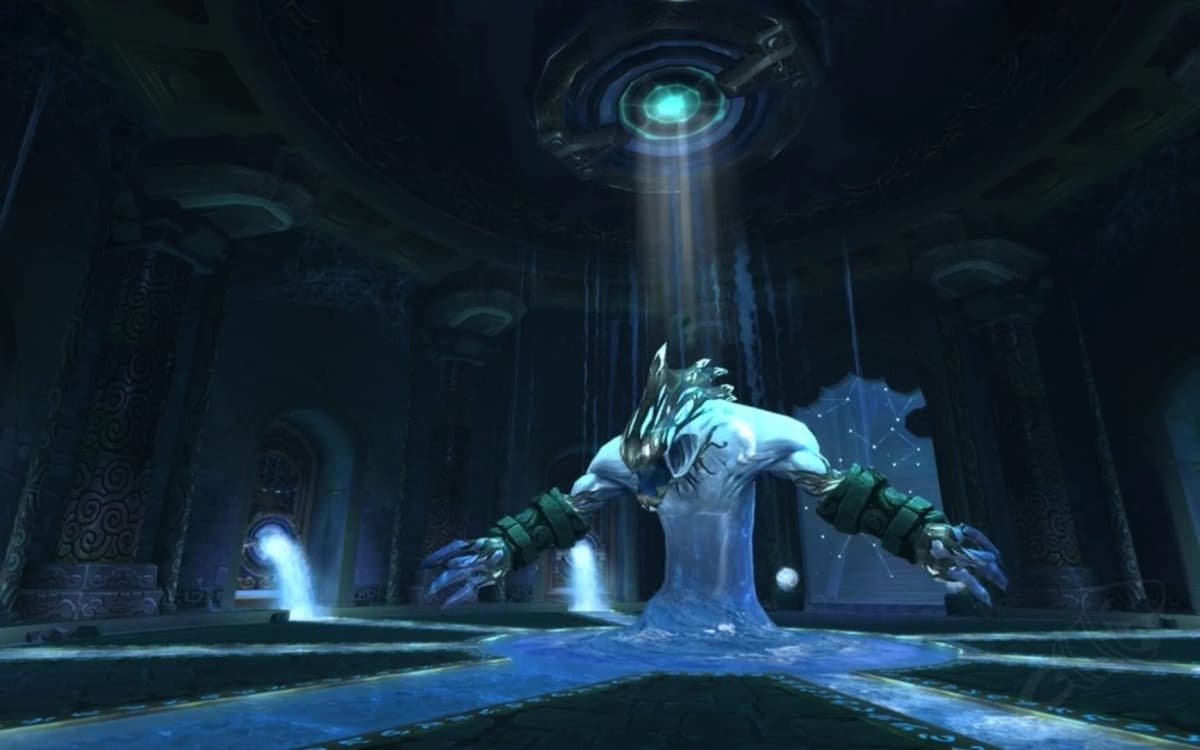
Here’s the uncomfortable flip side: Official WoW already fractured its own audience. You’ve got Retail, multiple eras of Classic, seasonal/experimental modes, and a live-service cadence that constantly churns what “real” WoW even means. TurtleWoW didn’t cause that fragmentation; it thrived in the cracks it left.
If I had one question for Blizzard’s PR team right now, it’d be this: If fan servers are so harmful to the player experience, where is the official alternative for people who clearly want a slower, experimental, “vanilla+” take on Azeroth?
Other publishers, for all their faults, are at least experimenting around this space. Sega tapped Sonic fan devs for official projects. Bethesda wrapped mod support into Creation Club and full-blown in-game browsers. None of this is altruism, and plenty of it is messy, but it’s an attempt to harness community energy instead of just suing it out of existence.
Blizzard’s move with TurtleWoW plants its flag on the opposite hill: fan creativity is welcome as long as it stays in tightly controlled lanes. Anything that touches server code, live infrastructure, or full client distribution is a target.
FinalBoss // Gear
Level up your setup
01Top-rated gaming headsetson Amazon→02High-refresh gaming monitorson Amazon→03Gaming chairson Amazon→04Discounted game keyson Kinguin→Affiliate links · As an Amazon Associate, FinalBoss earns from qualifying purchases.
Want to Level Up Your Gaming?
Get access to exclusive strategies, hidden tips, and pro-level insights that we don't share publicly.
Ultimate Gaming Strategy Guide + Weekly Pro Tips