
Bloodlines 2 Review Roundup: Story Bites, Systems Bleed
Game intel
Vampire: The Masquerade – Bloodlines 2
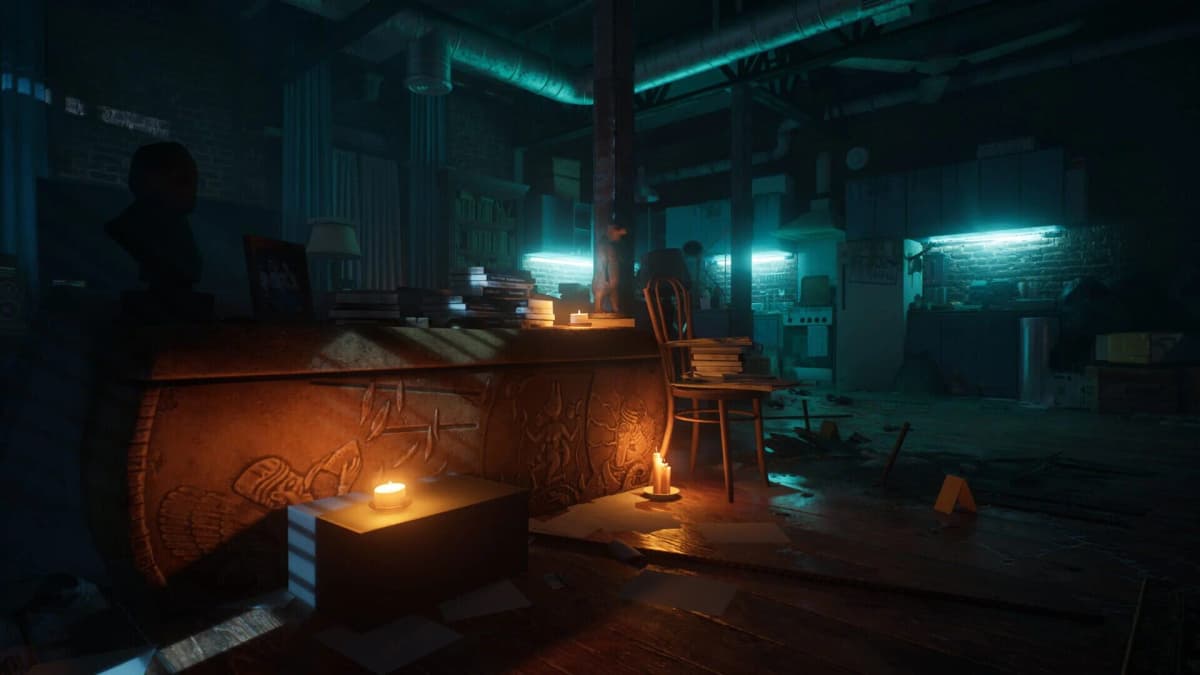
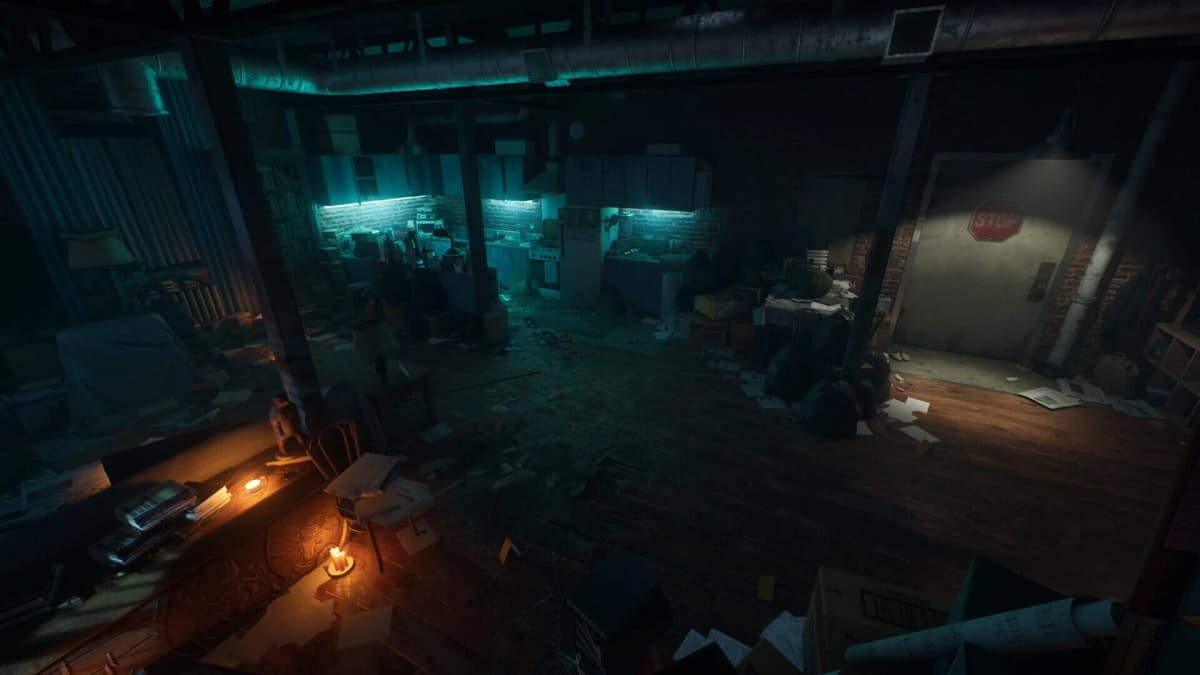
Santa Monica Memories is a cosmetic pack with iconic items, with a Stop Sign, Voerman Portrait, and Ankaran Sarcophagus, to decorate your haven. Each time you…
Bloodlines 2’s First Reviews Sink In – And They’re… Complicated
This one grabbed me because the original Bloodlines is a cult classic I still think about whenever an RPG promises consequences and political intrigue. After years of delays, a studio swap from Hardsuit Labs to The Chinese Room, and a release date that moved like a shadow across an alley, Vampire: The Masquerade – Bloodlines 2 is finally out on PC, PS5, and Xbox Series. The embargo lifted, and the verdict is a very modern kind of mixed: OpenCritic and Metacritic hover in the 63-67 range, praising the vibe and characters while calling out shallow systems, repetitive combat, and a swarm of bugs.
Key Takeaways
- Story and characters carry the experience; if you live for moody, talky RPGs, there’s meat here.
- Combat is clunky first-person brawling with light powers-more button-mashing than buildcraft.
- RPG depth feels trimmed: choices don’t always bite, and Masquerade consequences can be inconsistent.
- Technical issues and quest bugs are common; frequent manual saves are your best friend.
Why This Matters Now
Bloodlines is one of those rare series where the bar isn’t just “good RPG,” it’s “lightning in a bottle.” The 2004 original launched rough as a coffin lid but became beloved thanks to razor-sharp writing and a mod community that tirelessly patched it for years. That legacy shaped expectations here. Swapping to The Chinese Room-a studio known for atmosphere-first narratives like Dear Esther, Amnesia: A Machine for Pigs, and more recently Still Wakes the Deep—telegraphed a tonal win but raised questions about systemic depth. Based on early reviews, that prediction landed: the atmosphere slaps; the systems don’t always keep up.
The Good: Fangs, Factions, and Vibe for Days
Critics broadly agree the worldbuilding feels right. The conversations crackle with the kind of noir-tinged menace VtM fans know by heart, and the cast has enough edge and pathos to keep quests compelling. When Bloodlines 2 steers into personal politics—alliances, betrayals, and needling people for secrets in dimly lit rooms—it clicks. The city hubs drip with late-night dread and neon; even just stalking alleys to pick a victim fits the fantasy. As a narrative RPG, scenes land, and the tone stays faithful to the tabletop roots. If you chase the conversation-heavy branching feel over crunchy stats, this is where Bloodlines 2 earns its keep.
The Bad: Combat That Doesn’t Evolve and Systems That Don’t Bite
When fists or fangs come out, the game stumbles. The first-person, melee-forward approach isn’t inherently a deal-breaker, but reviews report weightless hits, floaty AI, and encounters that boil down to strafing and smacking until a health bar gives. Powers tied to blood work, but the loop rarely graduates from “spam, sip, repeat.” There’s no third-person option like the first game’s melee camera toggle, which doesn’t help situational awareness. RPG mechanics feel pared back, too: some choices register, but others barely ripple through the story, and the Masquerade system’s enforcement can be inconsistent—sometimes a public feeding is a slap on the wrist, sometimes it’s a mission-killer. That undercuts the fantasy of living under strict rules and making tradeoffs in every public space.
Technical issues don’t help. Reports mention enemies phasing through geometry, odd NPC pathing, quest triggers failing, and collision gremlins that force reloads. It’s not Cyberpunk-at-launch catastrophic, but it’s enough to strain patience—especially in a game that wants you to experiment and roleplay. Add in a lot of jogging between points of interest without much emergent interaction, and the pacing can drag.
How to Play It Smart (If You’re Jumping In Now)
- Lean into stealth and conversation. The writing does heavy lifting; let it.
- Pick powers that control space (stuns, crowd control) to tame the combat jank.
- Save early, save often. Keep rolling backups before starting a new quest chain.
- Consider starting on a lower difficulty if you’re here for the story; the combat sandbox isn’t the star.
The Real Story Behind the Score
This is a classic case of a project caught between identities. The Chinese Room delivers on atmosphere and narrative cadence—that’s their wheelhouse. But Bloodlines is also supposed to be an RPG about systems colliding with story: build expression, stealth versus dominance, meaningful consequences to breaking the Masquerade. When those mechanics feel thin or buggy, the whole fantasy wobbles. The mid-60s scores reflect exactly that tug-of-war: strong flavor, uneven meal.
Should You Buy Now or Wait?
If you were in this mostly for the story, faction drama, and urban-gothic vibe, you can have a good time today—just calibrate expectations and protect your saves. If you wanted a deep, systems-driven successor to Troika’s magic trick, you’ll likely feel shortchanged until patches land. Paradox tends to support its games post-launch, so odds are good we’ll see stability updates and tuning passes. Give it a couple of months if you’re sensitive to jank or want to see whether the Masquerade and choice systems get sharper teeth.
Looking Ahead
There’s a solid narrative core here worth preserving. If post-launch patches can stabilize quests, buff enemy behavior, and make powers more expressive, Bloodlines 2 could find its audience beyond the diehard VtM faithful. The brand remains powerful, and the appetite for talky, morally messy RPGs hasn’t gone anywhere—just ask the players replaying the original with community patches two decades later. The question is whether this sequel can evolve from a moody visual novel with brawls into the choice-driven vampire sim fans imagined. That’ll decide whether this is a stepping stone for the franchise or another cult curio.
TL;DR
Bloodlines 2 nails the mood and characters but stumbles on combat, depth, and stability, landing in the mid-60s on review aggregators. Story-first players can jump in now; systems-first RPG fans should wait for patches and proof that the Masquerade actually matters.