
Blue Protocol: Star Resonance quietly explodes on Steam — but is the hype earned?
Game intel
Blue Protocol: Star Resonance
Blue Protocol: Star Resonance expands the Blue Protocol universe with a vibrant MMORPG experience. Create your own hero, team up for strategic raids, or simply…
The surprise Steam hit that actually makes sense
Blue Protocol: Star Resonance didn’t arrive with a thunderclap marketing blitz. It just… showed up, then rocketed up the Steam charts, topping 250,000 concurrent players according to SteamDB. That caught my attention because this kind of stealth surge usually means the game’s loop is sticky, the vibe lands instantly, and friends are dragging friends in. It also means growing pains-and early Steam user reviews reflect that split between “this looks gorgeous and co-op is fun” and “servers/bugs are harshing the mood.”
Key Takeaways
- A real appetite remains for cooperative, anime-styled MMOs on PC-Star Resonance taps into that PSO2 x Monster Hunter-lite itch.
- Launch week is messy: server queues, performance hiccups, and mixed reviews signal you may want to wait a patch or two.
- As a free-to-play title published by Amazon Games, expect an aggressive seasonal cadence; the question is whether monetization stays cosmetic-first.
- Long-term success hinges on content pace and anti-bot/queue management-lessons Amazon learned the hard way with Lost Ark and New World.
What you’re actually doing in Blue Protocol
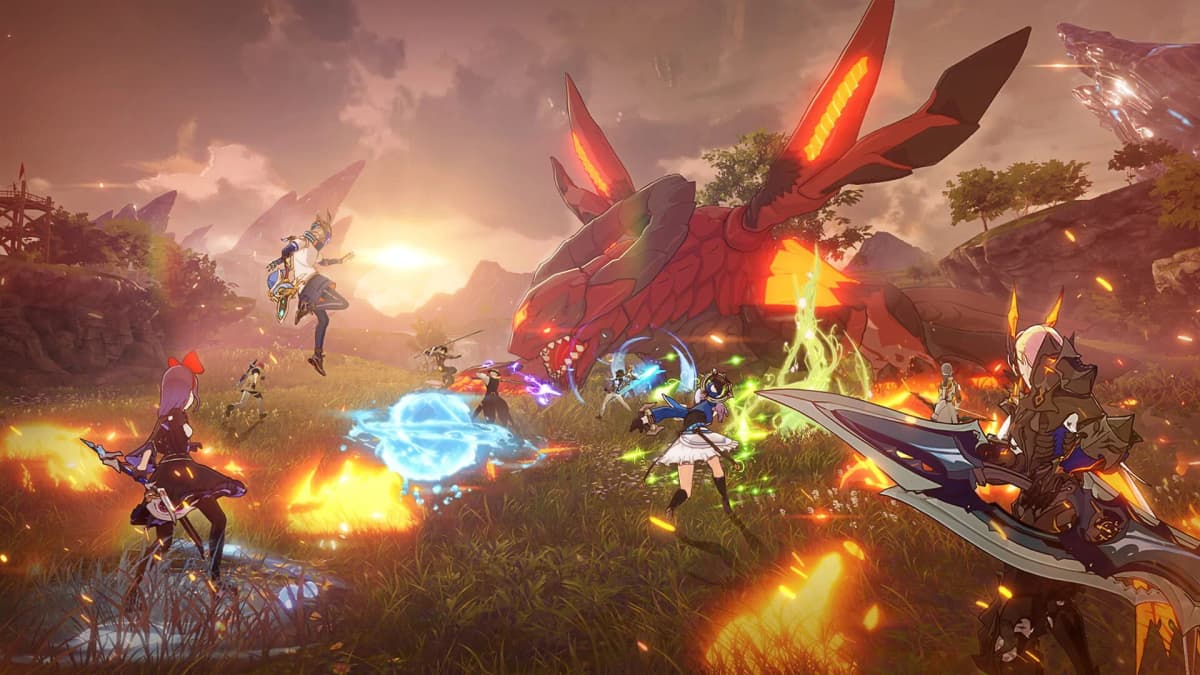
If you watched the JP beta footage over the last couple of years, you know the pitch: a lush anime world, stylish combat classes, and party-focused instanced missions that funnel you into big boss encounters. It’s not a sandbox MMO—think lobby-driven adventures from a hub, jump into dungeons or hunts with friends, grind gear, and chase abilities and cosmetics. It lands somewhere between Phantasy Star Online 2’s bite-sized party runs and a gentler, more accessible Monster Hunter loop.
Combat is the star. Attack animations are punchy, effects are clean, and most classes have a straightforward ramp that still leaves room for skill expression in positioning and timing. If you like quick co-op evenings—log in, clear a few missions, show off a new outfit, dip out—this structure is basically catnip. The art direction carries hard too; Bandai Namco’s cel-shaded look gives everything a Saturday-night anime sheen that screenshots beautifully.
Amazon’s MMO playbook—strengths and red flags
Amazon Games has now shipped a trio of online hits with vastly different outcomes: New World’s server-queue chaos, Lost Ark’s all-timer Steam peak (and bot problems), and now Star Resonance’s surge. The pattern is familiar: massive week-one demand, infrastructure strain, then a fight to keep content flowing without alienating players with grind or monetization bloat. The optimistic read is that Amazon has the resources to scale and a history of course-correcting. The skeptical read is that launch frenzy papers over long-tail issues that need proactive fixes, not reactive band-aids.
Blue Protocol benefits from Bandai Namco’s combat/design chops and Amazon’s global ops muscle. But it’ll still rise or fall on two levers: how fast meaningful endgame content arrives, and how humane the progression feels for non-spenders.
The technical reality at launch
The early complaints aren’t shocking: server queues at peak times, stutters on mid-range rigs, occasional crashes, and UI/localization oddities that scream “we shipped at 99% and hoped for the best.” None of that negates the high points—when it’s stable, Blue Protocol delivers smooth parties and satisfying boss loops—but it explains the mixed Steam sentiment. If you’ve been burned by launch-week MMO roulette before, you know the drill: wait a week, let hotfixes land, and pick a server where your friends are actually playing.
Controller support and keybinding flexibility matter here too, given the action focus. It feels built for pad, but PC players will expect granular options; if those aren’t there yet, they need to be, fast.
Want to Level Up Your Gaming?
Get access to exclusive strategies, hidden tips, and pro-level insights that we don't share publicly.
Ultimate Gaming Strategy Guide + Weekly Pro Tips
Monetization, FOMO, and where the line is
Free-to-play anime MMOs live and die on how they sell cool without selling power. Expect a cosmetic-forward shop, seasonal passes, and convenience boosters circling the progression loop. That can be fine—players love fashion wars and battle passes when they’re fairly paced. The worry is when time-saving perks creep into “pay to fix the grind we created” territory. Lost Ark walked that tightrope; sometimes gracefully, sometimes not.
The ask to Amazon/Bandai is simple: keep gear acquisition and combat potency earnable through play, make event items earnable with reasonable effort, be transparent about rates, and avoid surprise scarcity windows. If the monetization feels respectful, this community will stick around even if content cadence wobbles.
Should you jump in now?
If you love co-op action with an anime flourish and your crew is curious, yes—especially if you can dodge peak-time queues. Blue Protocol is at its best when you’re chaining missions, learning boss patterns, and flexing a new look. If you’re a raid purist chasing bleeding-edge mechanics or you want a sandbox with a player-driven economy, this isn’t that game.

My take: Star Resonance is worth watching, and probably worth playing after the first stability pass. The bones are solid. The loop is sticky. The art hits. Now it’s on Amazon and Bandai to prove they can turn a massive debut into a healthy MMO, not just a momentary spike.
Looking ahead: what to watch
- Server stability and queue times during weekend peaks.
- Clear, fair monetization with transparent rates and earnable rewards.
- Content cadence: new dungeons, bosses, and meaningful endgame within the first 60-90 days.
- Anti-bot measures and account security—learned lessons from Lost Ark.
- Better PC options: keybinds, performance presets, and controller polish.
TL;DR
Blue Protocol: Star Resonance didn’t just pop—it detonated on Steam. Under the launch-week rough edges is a genuinely fun co-op anime MMO with flashy combat and a snackable loop. Give it a patch or two if you’re cautious, and keep an eye on monetization and content pacing before you commit long-term.