
Bruce Straley’s next move surprised me — and it might reshape how we think about cinematic directors
Game intel
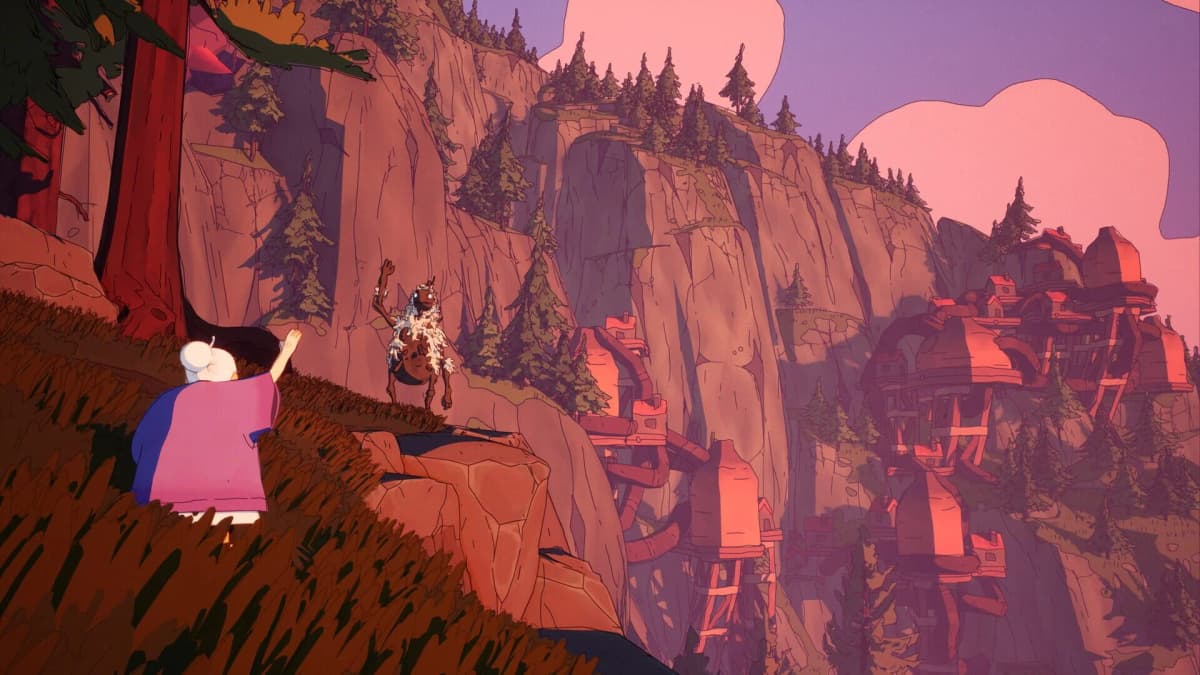
Coven of the Chicken Foot
After the dungeons have been plundered and the monsters all killed, an elderly witch quietly gets to work. In this emotionally-rich, stylized, single-player ad…
Why this matters right now
This caught my attention because Bruce Straley isn’t a mid-career auteur popping up with another familiar sequel – he’s one of the architects behind Uncharted and The Last of Us, and after 18 years at Naughty Dog he walked away to build something his name would actually own. When Wildflower Interactive showed Coven of the Chicken Foot at The Game Awards – a wordless single-player adventure starring a witch called Gertie – it felt like a statement: Straley is deliberately stepping away from blockbuster IP stewardship and toward smaller, author-driven experiments.
- Bruce Straley left Naughty Dog to find fresh creative challenges and build his own IP.
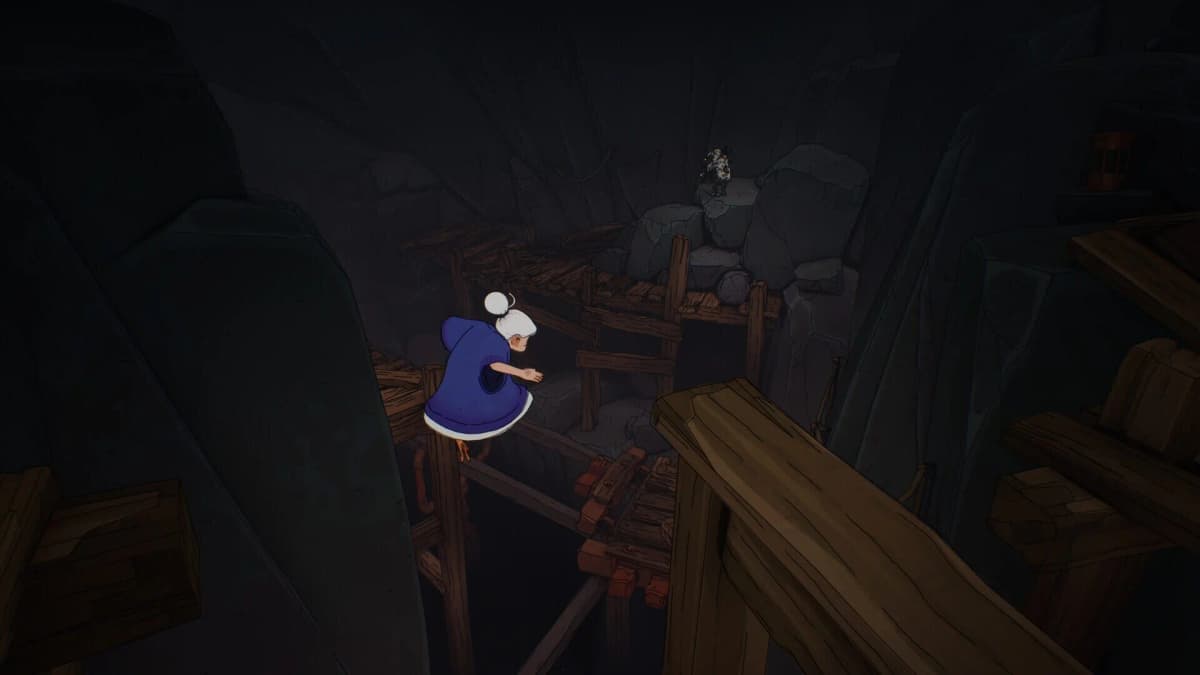
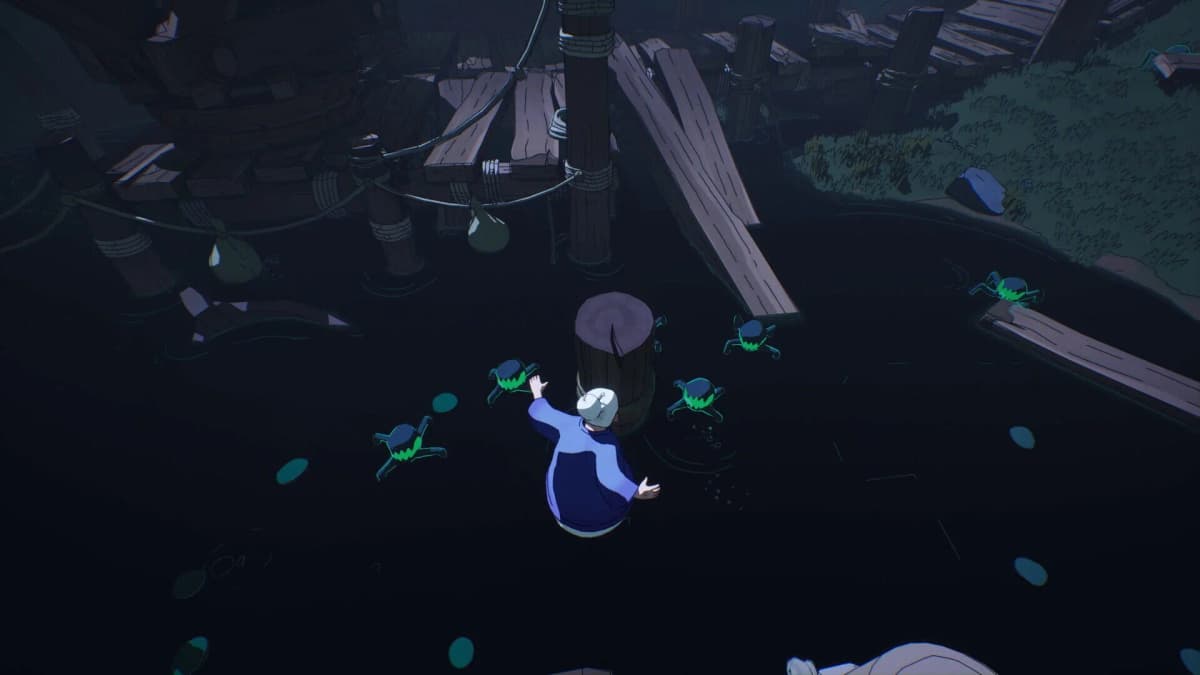
- Wildflower Interactive’s Coven of the Chicken Foot is a wordless, single-player debut — a tonal pivot from cinematic setpieces to atmospheric, show-don’t-tell design.
- No release date or publisher details announced — this is early, and that’s probably intentional.
Breaking down the news: what actually changed
Straley made his name directing intensely cinematic blockbusters where spectacle and tightly choreographed encounters carry the story. Walking away after nearly two decades and projects that defined PlayStation’s narrative tempo is significant. He says he wanted “new creative challenges” and to build something of his own rather than continuing to shape other people’s IP — and Coven’s reveal is the clearest first answer to that brief.
That the game is wordless is an important design choice. It suggests Wildflower—at least for this project—is prioritizing atmosphere, actor performance, and environmental storytelling over exposition. For a director known for mocap-heavy, line-driven scenes, choosing silence feels like a deliberate experiment: can you make players feel the story without a script on the screen?
What Coven of the Chicken Foot signals about Straley’s next act
There are a few ways to read this. One, Straley could be shedding the blockbuster trappings to explore more intimate design work — think smaller teams, tighter creative control, and a willingness to fail fast. Two, this could be an aesthetic flex: proving a director famed for spectacle can still make something austere and emotionally precise. Three, it may also be a business play — owning IP and forming a studio gives him leverage and the chance to build a culture different from the one he left.
All of that matters because directors who go indie often bring production-level craft to smaller scopes. If Coven nails its promise, we’ll likely see high-fidelity animation, thoughtful level design, and an emphasis on player interpretation — not cutscene-heavy exposition. But remember: smaller scope doesn’t automatically mean creative purity. Independent studios still chase audiences and funding, and “artful” trailers sometimes disguise feature-lite games.
Why The Last of Us fans should care (and be cautious)
Straley’s fingerprints are on the pacing and player-facing hostility that made The Last of Us resonate. His move won’t rewrite Naughty Dog’s legacy overnight, but it does matter for fans watching the series evolve without one of its original stewards. If you care about design lineage, Coven is a rare chance to see where one of the people who shaped those games goes when they answer only to themselves.
That said, don’t expect a rapid return to Naughty Dog-level production values or immediate fixes to franchise questions. There’s no release window, no platform list, and likely no big-name publisher attached yet. Treat this reveal as the first chapter of a slow burn: wishlist the game, follow Wildflower, and set expectations for an experimental, probably smaller-scale experience rather than another blockbuster.
Want to Level Up Your Gaming?
Get access to exclusive strategies, hidden tips, and pro-level insights that we don't share publicly.
Ultimate Gaming Strategy Guide + Weekly Pro Tips
The gamble and the upside
The gamble is clear: Straley trades the safety and resources of a giant studio for creative ownership and risk. The upside is equally clear — if Coven delivers, it could become a blueprint for veteran directors who want to translate AAA craft into authorial, design-forward projects without the baggage of existing IP.
Personally, I’m rooting for it. The industry needs more cases where experienced creators attempt different rhythms and storytelling tools instead of repeating the same sequels. But I’ll be watching closely for the usual red flags: vague trailer promises, lack of platform transparency, or a timeline that stretches without meaningful updates.
TL;DR
Bruce Straley leaving Naughty Dog to found Wildflower and debut a silent, single-player game is a deliberate pivot from spectacle to subtlety. It’s exciting because it promises a seasoned director trying something risky and personal — but it’s early days. Wishlist Coven of the Chicken Foot and watch for substance over style as updates arrive.