

Bully 2 Was Real—Dan Houser Says Rockstar Lacked “Bandwidth.” Here’s What That Means For Players
Game intel
Bully (Canis Canem Edit)
As a mischievous schoolboy, you’ll stand up to bullies, get picked on by teachers, play pranks, win or lose the girl, and ultimately learn to navigate the obst…
Why This Matters to Bully Fans Now
This caught my attention because Bully is Rockstar at its most mischievous. It’s the studio that built Grand Theft Auto turning its open-world chops toward lockers, prefects, and pranks-less nihilism, more coming-of-age chaos. In a new interview, Dan Houser, cofounder of Rockstar Games and writer on multiple GTAs, told IGN that a Bully sequel was seriously explored but never happened for a very unglamorous reason: “I think it was just a bandwidth issue.” Translation: not enough developers to build Bully 2 alongside Rockstar’s other mega-projects. He added, “With a small creative team and a small leadership team, you can’t pull off every project you want.”
Rockstar still owns the Bully IP. Houser left in 2020 and now runs Absurd Ventures, a smaller outfit trying to juggle two projects at once. That matters because it reframes a decade of rumors: Bully 2 wasn’t a myth-it just lost the internal resource fight to bigger fish like Red Dead Redemption 2, GTA Online, and now GTA 6.
Key Takeaways
- Bully 2 existed in concept and early exploration, but Rockstar didn’t have the manpower to build it alongside flagship titles.
- This is classic AAA triage: one open-world giant (GTA/Red Dead) easily consumes entire studios for years.
- The IP isn’t dead-Rockstar still owns it—but GTA 6’s launch and live support will dominate resources for a long time.
- A modern Bully would need careful tone and smarter systems to fly in 2025, not just a “GTA for kids” repaint.
The Real Story Behind “Bandwidth”
People hear “bandwidth” and think PR dodge. In Rockstar’s case, it’s painfully literal. Look at their release cadence: Red Dead Redemption (2010), Max Payne 3 (2012), GTA V (2013), Red Dead Redemption 2 (2018), and a decade of GTA Online. Each of those games didn’t just ship; they swallowed global studios for years. RDR2 alone was a technical and production Everest. If you were a producer inside Rockstar with finite teams, would you greenlight a mid-scope Bully 2 or keep feeding the GTA Online money printer and the mammoth that is GTA 6? That prioritization might sting, but it’s rational.
Fans have chased Bully 2 breadcrumbs for years—concept art whispers, UI snippets, design docs that reportedly floated around Rockstar New England. Houser’s comments don’t contradict that history; they explain it. The project likely lived in pitches, prototypes, and meetings, then got outmuscled when resource spreadsheets met reality.
Would Bully 2 Even Work Today?
I still revisit Bully: Scholarship Edition for the rhythm-class minigames and slingshot shenanigans, but a straight sequel today would be a tonal tightrope. School settings carry different sensitivities in 2025. Bully succeeded because it punched up at cliques and authority, not downward at victims. If Rockstar returned, it would need to double down on satire and character-driven mischief over mean-spirited edge.
Rockstar’s writing evolved from GTA III’s shock humor to the more nuanced character work in RDR2. That’s actually a promising trajectory for Bully. Imagine a tighter, systemic school-life sim—part stealth, part social strategy—where relationships, schedules, and reputation matter as much as pranks. Think Persona’s day-night cadence meets Rockstar’s environmental storytelling. No guns, no murder fantasies—just a sandbox of rule-bending and consequences that still lets you skateboard past a prefect and barely make it to class on time.
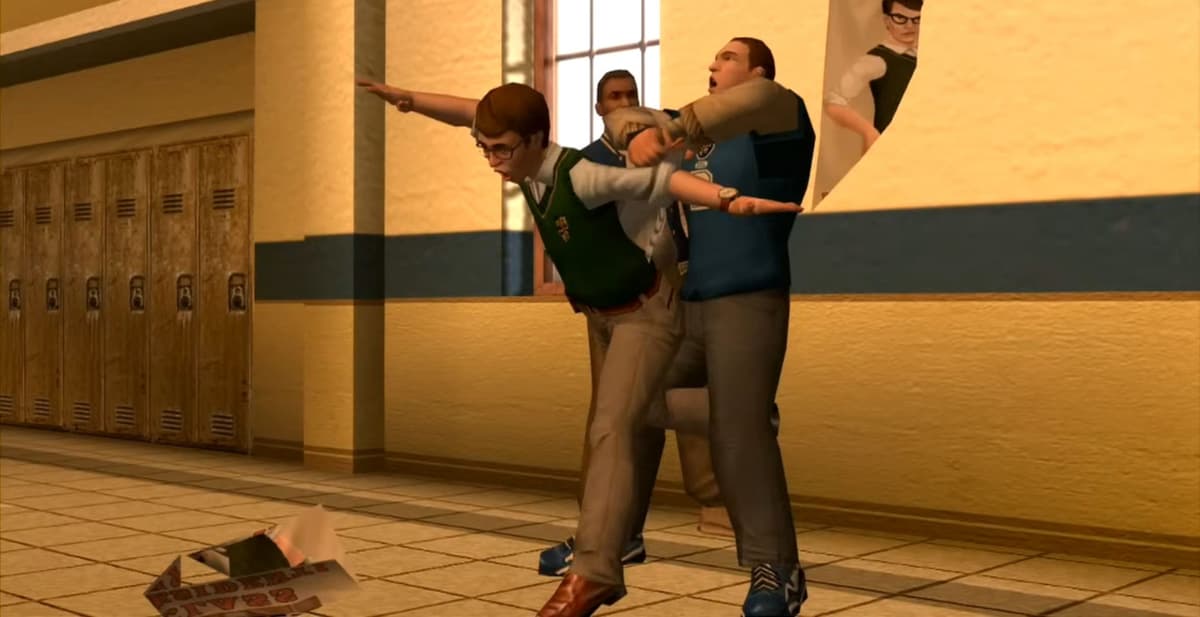
The obvious pitfall would be trying to “GTA Online” it. Bully doesn’t need battle passes, seasonal prestige, or a shark-card equivalent. It needs a sharp single-player campaign, reactive systems, and maybe a small-scale co-op chaos mode at most. If the pitch requires heavy monetization to make the spreadsheet smile, it won’t feel like Bully—it’ll feel like detention.
Want to Level Up Your Gaming?
Get access to exclusive strategies, hidden tips, and pro-level insights that we don't share publicly.
Ultimate Gaming Strategy Guide + Weekly Pro Tips
Why Rockstar Passed—And What Could Change
When Houser says the team was too small, he’s also talking about creative mindshare. Rockstar’s leadership historically keeps a tight grip on narrative direction. Spinning up another open-world with bespoke systems, writing, mission design, and performance capture isn’t a side hustle; it’s an all-hands endeavor. GTA 6 will keep the studio busy long after release, just like GTA V did. That doesn’t kill Bully, but it pushes it to the “maybe later” pile—again.
The wildcard is appetite. If Rockstar wants a project that’s prestige-scale but not galaxy-brain massive, Bully is a great candidate: smaller map, dense systems, heavy replayability, and broad cultural resonance. And if Absurd Ventures ever builds a youth-centric open-world under a new IP, that could scratch an itch Bully fans have had since 2006, even without the Bullworth logo.
The Gamer’s Perspective
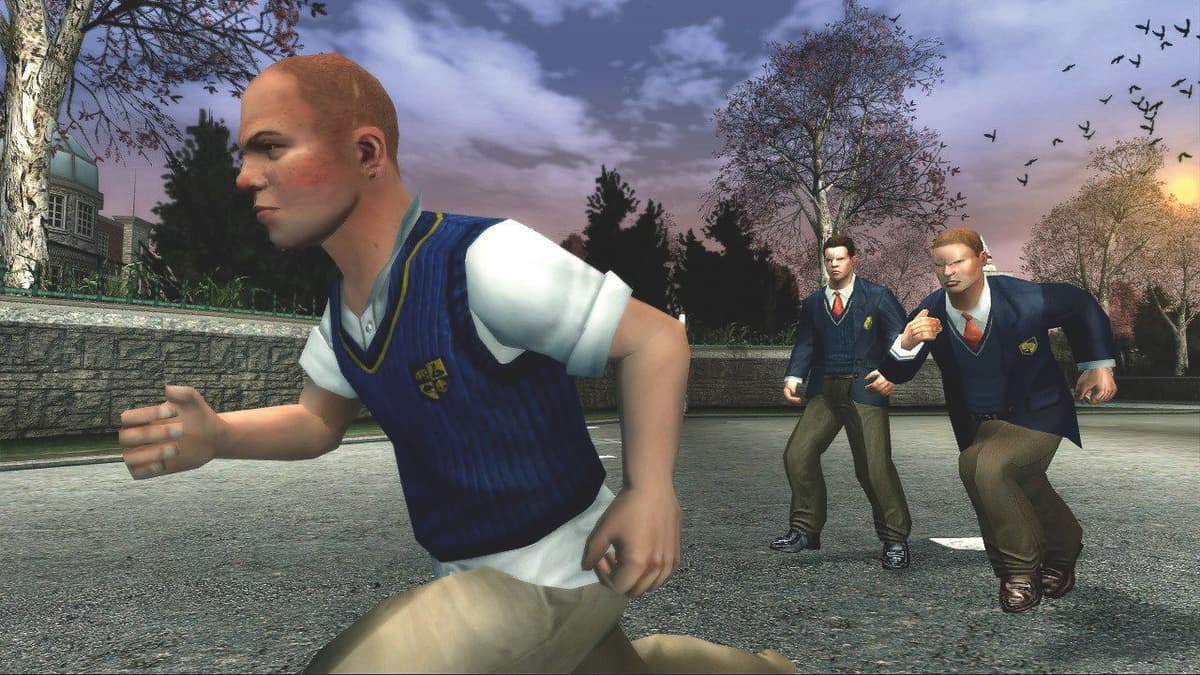
I don’t need Bully 2 to be a 200-hour epic. Give me a city block’s worth of detail: dorm politics, classes that evolve into clever mechanics, prank toolkits with escalation, and missions that branch based on who you back in the social hierarchy. Keep the heart—a rebellious kid learning where to aim that rebellion. If Rockstar ever finds the “bandwidth,” a high-precision Bully is more exciting than yet another sprawl for sprawl’s sake.
TL;DR
Dan Houser confirms Bully 2 was explored but sidelined because Rockstar didn’t have the developers to build it alongside GTA and Red Dead. The IP’s alive, but GTA 6 will hog attention for a while. A modern Bully could absolutely work—smaller, smarter, and more systemic—if Rockstar decides it’s finally worth the bench time.