
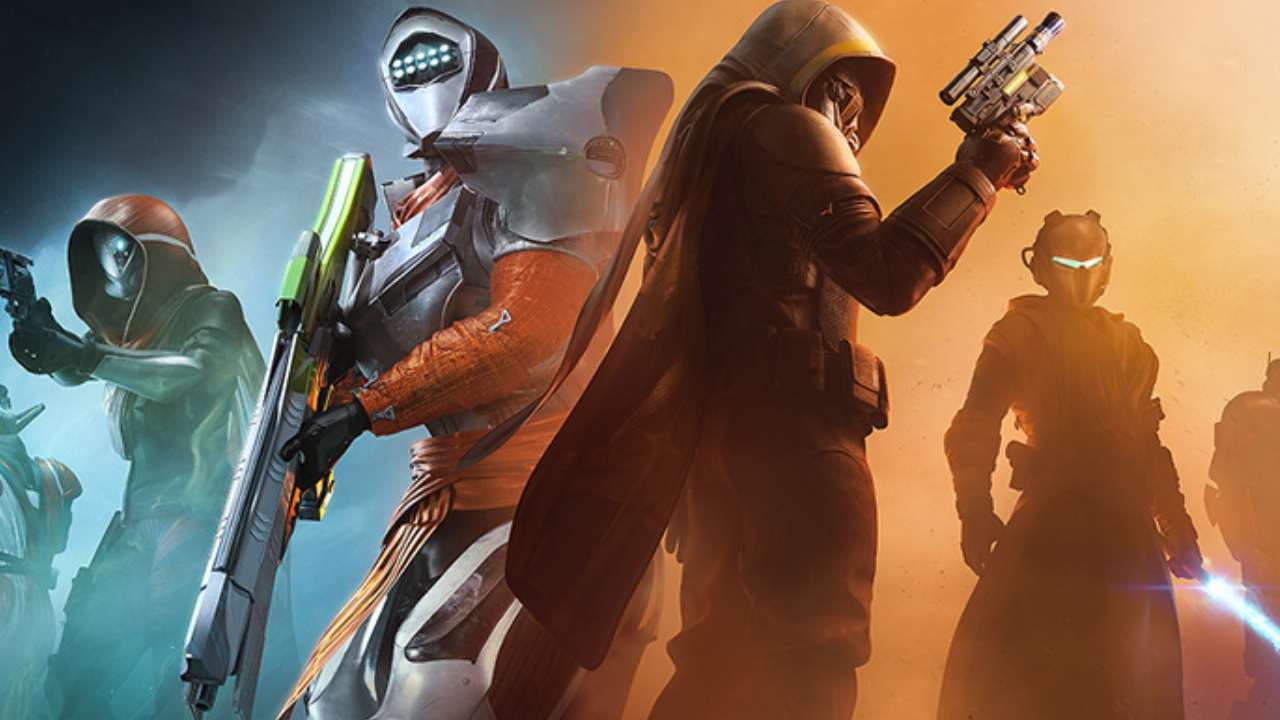
Destiny 2 admits it stumbled—Renegades is its make-or-break moment
Game intel
Destiny 2
The first chapter of a new Destiny saga is here. Guardians will venture into the unknown, where the mysteries of the cosmos – and The Nine – await.
Introduction: Destiny 2 at a crossroads
When Destiny 2 director Tyson Green told IGN that Bungie “mismanaged the transition after The Final Shape” and that The Edge of Fate “didn’t land the way we hoped,” it caught my attention. This isn’t just another slip-up for a live-service game—it’s Bungie admitting that a major pivot fell short. Now the studio is promising smaller, faster expansions and genuine listening. But is this a smart design shift or damage control in disguise? The answer could determine Destiny 2’s roadmap for the next few years.
Key Takeaways
- Tyson Green says player engagement dropped sharply after The Final Shape climaxed the story.
- The Edge of Fate introduced new power brackets and loot, but players felt it was hollow number-chasing.
- Bungie vows to ship “smaller, more frequent expansions” and actually act on feedback.
- Renegades launches December 2—the first big test of this new playbook.
Bungie’s long habit of reinventing Destiny
Since Destiny 2’s 2017 launch, Bungie has repeatedly reshaped its live-service model. Year one featured The Dark Below and The Taken King, each adding new raids, story missions, and gear. But it wasn’t until 2018’s Forsaken that a darker tone, the Dreaming City endgame zone, and Pinnacle-level weapons gave players a concrete reason to grind—and engagement soared.
Fast-forward to 2022 and The Witch Queen, which introduced weapon crafting and a deep campaign, and then Lightfall in 2023. Bungie showed it could learn from missteps: after criticisms of watered-down loot and sparse story, it doubled down on narrative and meaningful drops. The big question has been whether Bungie could sustain that momentum once they wrapped up the saga of Light and Darkness.
Why The Final Shape gave players closure—and why that hurt
Released in mid-2025, The Final Shape fulfilled one of the longest arcs in Destiny lore. Green acknowledged the downside: “The Final Shape gave a climax to the story, a sort of conclusion… players were thrilled and satisfied, and the steep drop in attendance followed shortly after.” In other words, many Guardians felt they’d seen the end and paused their subscription.
It’s a cautionary tale: wrapping up a beloved saga is great storytelling, but for a live-service game, it risks creating a content vacuum. Momentum isn’t just about story—it’s about giving players a reason to log in week after week.
What went wrong with The Edge of Fate
Coming off that lull, Bungie launched The Edge of Fate with the goal of reigniting hardcore engagement. The studio added new power brackets, armor sets with rotating perks, and deep customization options. “On paper it looked great,” Green admits, “but in practice players didn’t want to chase hollow numbers—they want meaningful rewards and experiences.”
For many, the progression loops felt like going through the motions. One representative Reddit comment summed it up: “I don’t mind grinding, but I need a reason beyond stacking up a number I barely notice in-game.” The systems weren’t inherently broken—they were just missing the hooks that make rewards feel impactful, like Forsaken’s Dreaming City puzzles or The Witch Queen’s crafting tree.
Listening to players: promise versus practice
Bungie’s new mantra is “smaller, more frequent expansions.” In theory, that means quicker turnaround on feedback and the ability to pivot mid-season. But the danger is token drops of content that pad revenue without evolving the sandbox. The proof is in the delivery: are these bite-sized DLCs or true testing grounds for bold ideas?
Players are asking for three things:
- Clear progression loops that tie narrative, activities, and loot into one satisfying experience
- Rewards that alter playstyle rather than just bumping numbers
- Transparent communication—patch previews, dev streams, and regular updates on what changes and why
Without those, “we’ll listen” risks sounding like marketing speak. Bungie has promised monthly updates on feedback and sandbox adjustments; the community will be watching patch notes more closely than ever.
Want to Level Up Your Gaming?
Get access to exclusive strategies, hidden tips, and pro-level insights that we don't share publicly.
Ultimate Gaming Strategy Guide + Weekly Pro Tips
Renegades (December 2): the first big barometer
Renegades is slated for December 2, and it’s being billed as the first real test of the new playbook. Early interviews hint at a tighter story arc, focused seasonal objectives, and weapon skins tied to completion rewards—small touches meant to create that sense of earned satisfaction.
If Renegades nails those loops and genuinely inputs player-suggested tweaks—say, rebalancing a legendary weapon or adding a new strike variant—it could rebuild trust. But if it feels like a pared-down season pass without fresh hooks, the narrative will stick that Destiny 2 peaked with its grand finale.

Looking ahead: beyond Renegades and into 2025
Bungie has already signaled a roadmap that extends past December. Two full-scale expansions are planned for 2025, plus four seasons of content in between. Codename “Frontiers” is the next narrative arc, set to explore the aftermath of The Final Shape and introduce new factions and worlds.
This multilayered schedule could be a lifeline if Bungie truly treats each smaller drop as a sandbox lab. It could also backfire if critical fixes—like tightening raid rewards or refining seasonal playlists—don’t happen quickly. The stakes are high: live-service games live and die by momentum, and momentum lives in the details.
Conclusion
Bungie’s honesty about their missteps is encouraging, but talk is cheap in the live-service space. Destiny 2 has reinvented itself before and soared; now it needs to prove it can adapt faster than player attention drifts. Renegades on December 2 is the moment of truth—will these bite-sized expansions deliver the depth and feedback loops that Guardians crave, or will they be another near miss?
Either way, the next few months will tell us whether Bungie’s new playbook is a genuine redesign or just a bid to stop the slide—and whether Destiny 2 can regain the momentum that made it one of gaming’s most enduring live-service worlds.