
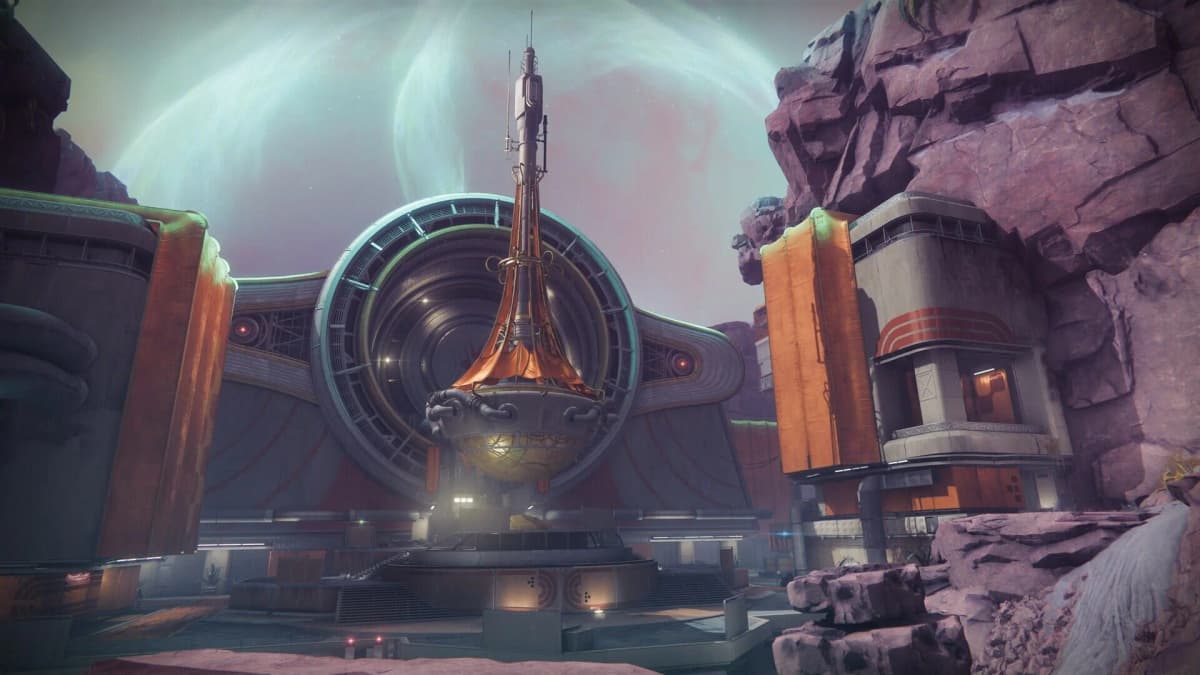
The wait for Marathon just got longer, no matter what Sony’s balance sheet says. Bungie has eliminated most of its remaining Destiny 2 development team and a portion of its Marathon staff in a major reduction in force, effective immediately after Destiny 2’s final content update shipped on June 9. PlayStation Studios CEO Hermen Hulst confirmed the studio can no longer sustain its previous headcount because future projects, Marathon included, remain in “early incubation.” Translation: funding is not the same as a finish line, and the finish line is not close.
Table of Contents (4)
“Early Incubation” Is Not a Timeline
In game development, incubation is pre-production. Core loops are still being prototyped, art direction is being tested, and milestone pacing is measured in quarters, not weeks. When Hulst uses that phrase to justify cutting most of the Destiny team and part of the Marathon team, he is telling players exactly where the project sits: it is not in full production, and it is not close to alpha.
The scale of the cuts confirms it. A WARN notice filed in Washington state lists 292 full-time positions affected in this round alone. That follows roughly 220 employees let go in mid-2024 and another hundred the year before. A studio preparing to enter full production on its flagship title does not shed hundreds of staff. It hires build engineers, network programmers, and live-service operators. Bungie is doing the opposite. Marathon is now the sole priority, but priority does not equal velocity. Sony is paying Bungie to find the game, not to ship it.
Sony’s Money Is Not Schedule Certainty
Sony has reaffirmed its financial commitment to Marathon, which is what a platform holder does when it needs to prevent a narrative collapse. The cash keeps the project alive and the talent pool from evaporating entirely. What it does not do is compress a three-year incubation into eighteen months.

There is a harder cost to these layoffs that PR language obscures. Bungie just lost the majority of the team that built and maintained one of the most complex live-service infrastructures in the industry. That knowledge – server meshing, anti-cheat integration, inventory economies, seasonal pipeline architecture – does not transfer automatically to a smaller crew. Rebuilding that institutional capacity while incubating a new extraction shooter means Marathon will spend longer in prototyping, longer in technical validation, and longer before any public beta is realistic.
The Void Behind Destiny
For all the talk of future projects, one fact is conspicuous: there is no Destiny sequel in production. The final update shipped. The team is gone. What exists now is maintenance mode and memories. For a franchise that defined Bungie for over a decade, this is not a graceful transition. It is an exit.
The uncomfortable question is what happens if Marathon does not find its footing quickly. Extraction shooters are crowded, unforgiving, and technically demanding. Bungie has bet its entire future on a single project that is still so early its own publisher describes it as incubation. If the market or the mechanics shift – and they always do — there is no backstop. No second team. No Destiny 3 waiting in the wings.
What to Watch For
Players should ignore press-release optimism and track concrete signals over the next six to twelve months. First, milestone pace: watch whether Bungie begins hiring for production roles — level designers, gameplay engineers, QA leads — or if job postings stay limited to senior creative and systems architects. Second, tooling and progression: any sign that backend infrastructure is being built for a live launch, not just a vertical slice. Third, public development updates: silence is often the loudest indicator of pre-production churn. Finally, feature scope: if details leak and then quietly shrink, the project is reacting to resource constraints, not accelerating toward them.
Until those indicators flip, “funded” is the only promise Sony has made. “Soon” is not on the table.
FinalBoss // Gear
Level up your setup
01Top-rated gaming headsetson Amazon→02High-refresh gaming monitorson Amazon→03Gaming chairson Amazon→04Discounted game keyson Kinguin→
Affiliate links · As an Amazon Associate, FinalBoss earns from qualifying purchases.
Want to Level Up Your Gaming?
Get access to exclusive strategies, hidden tips, and pro-level insights that we don't share publicly.
Ultimate Gaming Strategy Guide + Weekly Pro Tips