
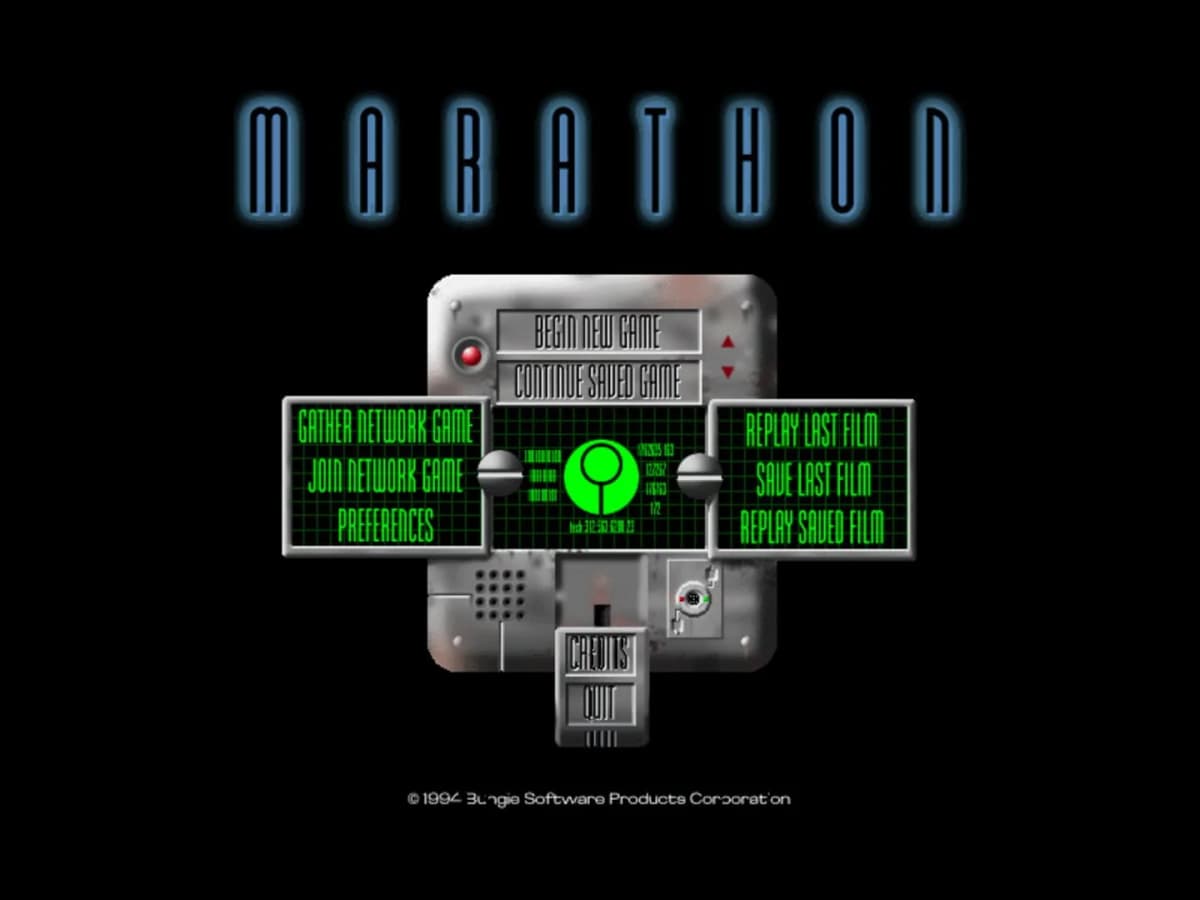
If you spent last weekend perfecting your Cradle route in Marathon’s Night Marsh, congratulations-you were farming inside a burning building. Bungie has confirmed what sharp players already suspected: Season 2’s economy is hemorrhaging loot and experience at rates the studio never intended, and the team still does not know exactly why. The official acknowledgment is that the root cause remains unidentified, which in live-service development is the equivalent of a surgeon admitting they can see the bleeding but cannot find the incision. What follows is not a gentle balance pass. It is emergency triage, and the casualties are the farming routes, reward systems, and progression loops players have been relying on since the season launched.
Table of Contents (5)
The Season 2 Economy Is Not Just Broken-It Is Bleeding Out
Here is the scale of the damage. Players earned roughly seventy-seven days’ worth of intended loot progression in a single week after Season 2 began. That is not a tuning error. That is a systemic rupture, the kind of number that causes live-service economists to break out in cold sweats. Bungie has acknowledged that the post-launch economy is delivering gear and experience far above target thresholds, and the most damning detail is the studio’s admission that it does not yet understand why. When a development team is forced to publicly state that it is still hunting the source of its own economy’s meltdown, the resulting fixes are rarely surgical. They are sledgehammers.
The sledgehammers are already swinging. Container improvements-the backend systems meant to make looting feel responsive and rewarding—are being disabled entirely rather than tuned. The ‘weights-EP’ drop weighting system, which governs how equipment points and high-tier items filter into containers, is being flattened to choke off the fire hose of gear. The Cradle on Night Marsh, which has metastasized into the dominant farming grounds for players chasing pure volume, is taking a significant XP reduction that will kneecap the primary incentive for running it. Even the Sponsor-Kits and Control Center chests, systems designed to create preparation-based risk and meaningful choice before a run, have become accelerants in the over-reward wildfire. When your gating systems start functioning as loot faucets, the problem is not a single overturned table. It is the carpentry.
What makes this particularly cruel for the average player is the asymmetry of information. The hardcore community identified the over-reward loops within days, optimized routes through Night Marsh and boosted container clusters, and extracted maximum value before the alarms sounded. Casual players—the ones who log in after work, run a few missions, and expect the grind to feel roughly consistent with Season 1—are the ones who will log in after the July 21 patch to find their preferred activities nerfed into irrelevance while the early adopters sit on stockpiles earned during the gold rush. Bungie’s correction does not just stabilize the economy; it punishes anyone who was not grinding at maximum efficiency during the window of unintended generosity.
Vault Breaker Is Bungie’s Admission That It Cannot Trust Its Own Loot
On July 21, Bungie will launch Vault Breaker, an experimental PvE mode set in the Cryo Archive. Players will take a Sponsored Kit into structured vault challenges that scale in difficulty, runnable solo or in coordinated duo and trio fireteams. The surface pitch is familiar: new arena, escalating threats, another reason to log in during the mid-season doldrums. But the critical design choice buried in the announcement changes everything. When you extract from Vault Breaker, almost everything you found inside stays behind. The weapons, the armor, the consumables, the attachments—none of it enters your main inventory. Only Vault Data persists, a siloed currency that can be exchanged for upgrades and items that feed back into other modes.
Let us be precise about what this means. Bungie has designed an entire progression mode for an extraction shooter where the primary reward is explicitly not loot. It is a non-extractable currency that bypasses the player-driven item economy entirely. That is not creative innovation born from a bold vision; it is risk mitigation dressed in mission-design clothing. The studio has concluded, after watching its own systems drown players in unintended gear, that the safest path forward is to stop letting players bring home the goods at all. Vault Breaker is a controlled environment where Bungie can reward time spent without risking another week of seventy-seven-day loot surges crashing the already buckling market.
The transparency is almost admirable in its desperation. After building a game around the visceral fantasy of fighting your way out with a backpack full of stolen equipment, Bungie has reached the point where it must cordon off an entire mode to prevent economic collapse. Vault Data functions as a firewall, allowing the studio to meter progression through a currency it fully controls rather than items that can be duplicated, exploited, or flooded into circulation by a mystery bug. But if your extraction shooter has reached the point where the most responsible design decision is to remove extraction from the equation, the problem is no longer seasonal tuning. It is foundational trust. Players are being asked to engage with a mode that explicitly tells them the broader economy is too broken to risk introducing more items into it. That is a hell of a marketing pitch.
Your Survival Guide for the Week Before the Patch
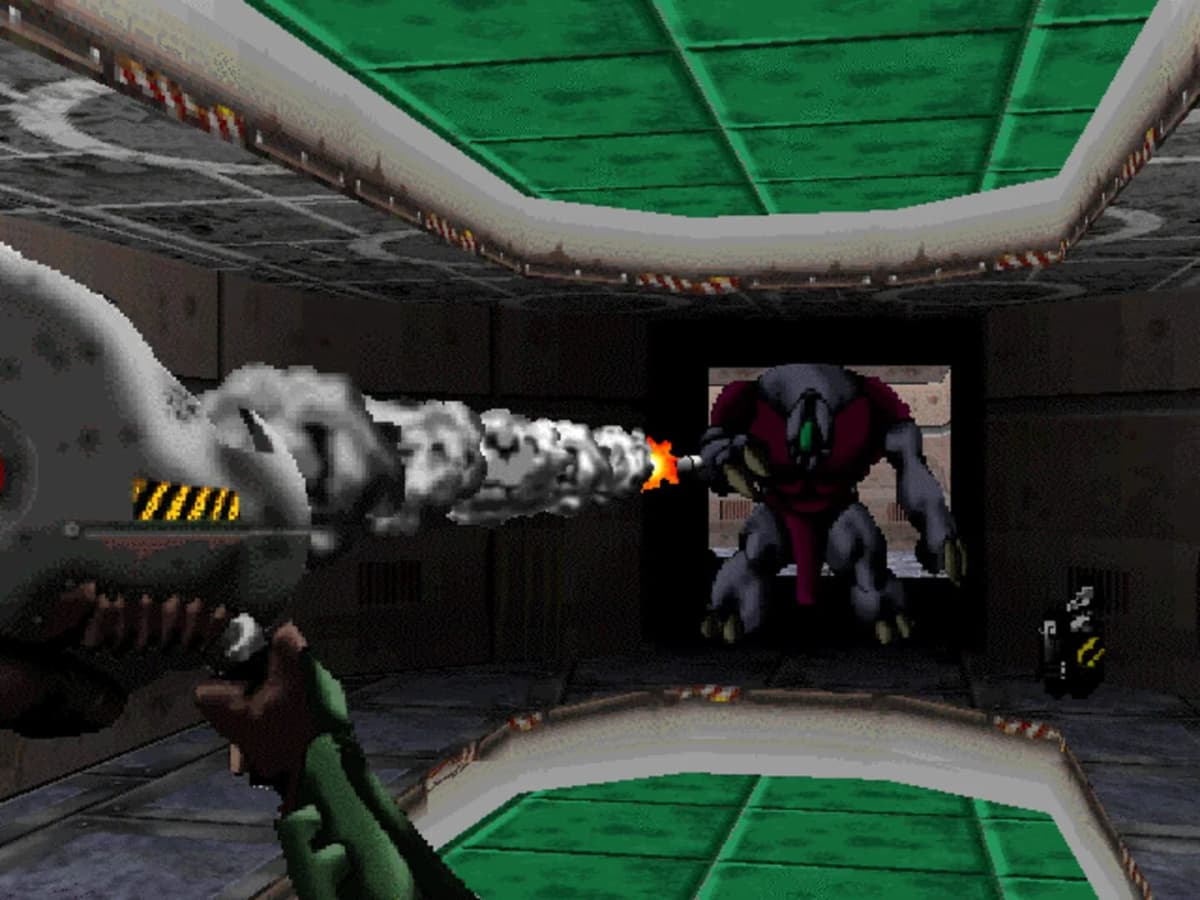
For players still logging in, the current state of Marathon is a trap disguised as an opportunity. The boosted container routes that have been circulating since launch—circuits built around high-density zones where the broken ‘weights-EP’ system and container improvements overlap—are living on borrowed time. Bungie has signaled that these over-reward loops are priority targets for the coming correction. Any farming run that depends on temporarily boosted containers or the current drop-weight algorithms is about to become a historical curiosity. If you are still prioritizing those routes, you are spending hours mastering a pattern that will be deleted by a server-side update.
The smart immediate play is the Cradle on Night Marsh, but you need to treat it like a liquidation sale, not a retirement plan. The sheer volume of loot still available there—before item pool dilution fully takes effect and before the mystery bug is identified and patched—offers the best return on time invested right now. Get in, fill your pack, extract, and bank everything. But do not get comfortable. Bungie has already warned that Cradle XP rates are likely to face further adjustments, and once the root cause is isolated, the activity itself may be replaced or restructured to prevent similar abuse. Relying on the Cradle for long-term progression is a mistake; relying on it for this week is a calculated risk.
Your secondary focus should shift to standard containers and high-value loot zones that do not depend on the temporary boosts Bungie is now disabling. These areas lack the explosive density of the current meta routes, but they also lack the target on their backs. Standard container logic is less likely to be retroactively punished because it is functioning closer to baseline. The goal for the next seven days is extraction efficiency on systems that are not flagged for immediate demolition. Anything tied to Sponsor-Kit overflow, Control Center chest bounties, or the intersecting bonuses that have been feeding the loot flood should be treated with extreme suspicion. These are the exact systems Bungie cited as contributing to the pacing breakdown, and they are almost certainly facing aggressive retroactive tuning.
The Question Bungie Has Not Answered: What Happens After the Band-Aid?
Here is what should unsettle anyone invested in Marathon beyond this week. Bungie is applying aggressive economic bandages—disabling systems, flattening weights, nerfing zones, launching siloed currencies—while openly admitting it has not found the wound. They are performing surgery with the lights out. That is not a recovery plan; it is symptom management under duress, and symptom management has a nasty habit of creating new symptoms.
The over-correction risk is real and immediate. If the mystery bug is tied to a core backend interaction—say, the way Season 2’s refreshed item pools communicate with the server-side reward calculators—then every front-end nerf Bungie applies now is a shot in the dark. They could flatten ‘weights-EP’ into oblivion and turn the mid-game into a drought where standard containers feel as rewarding as checking an empty mailbox. They could crater Cradle XP so thoroughly that Night Marsh becomes a ghost town. Or they could under-correct, leaving enough of the bug intact that the inflation returns the moment players find a new intersection of systems to exploit. When you do not know the cause, you cannot calibrate the cure.
Then there is Vault Data. A new currency in a broken economy is not automatically a safe currency. We do not know the conversion rates, the upgrade curves, the daily caps, or whether efficient Vault Breaker runs will simply become the new inflation engine. If Vault Data purchases funnel into the same item pools that are already oversaturated, the mode accomplishes nothing. If the conversion rates are too generous, players will optimize the fun out of Vault Breaker just as they did the open world. If the rates are too stingy, the mode dies on arrival and players return to the very routes Bungie is trying to bury. The design is a tightrope, and Bungie is walking it while carrying the weight of an unexplained economic collapse.
There is also the calendar to consider. Season 3 launches on September 22. Vault Breaker arrives July 21. That is exactly eight weeks—roughly two months—for Bungie to stabilize an economy it does not yet understand, win back player confidence, and transition into a new seasonal reset that will inevitably introduce its own systems, items, and potential exploits. The studio is trying to perform microsurgery on a moving train, and the next station is coming up fast. If Season 2 ends with players feeling like they spent half of it in a broken economy and the other half in an over-nerfed one, Season 3 will not get the benefit of the doubt. It will get a mass exodus.
What to Watch: July 21 and the Metrics That Matter
The July 21 mid-season update is the moment of truth, and there are specific signals to monitor. First, watch whether Bungie identifies the root cause in the patch notes. If the update ships with a technical explanation—a specific interaction, a backend miscalculation, a corrected algorithm—that is evidence the team has regained control of its own systems. If the notes arrive with another round of “we are continuing to investigate” while more systems get disabled, the prognosis is significantly worse. A team that cannot name the problem after weeks of investigation is a team that is guessing, and guesses compound.
Second, watch the Vault Data conversion economy. If Vault Breaker launches with conversion rates that match or exceed the efficiency of current loot farming, the “no extraction” design will have been pointless theater. If the rates are too stingy, the player count will crater and the community will return to the Night Marsh routes Bungie is actively trying to kill. The sweet spot is narrow, and Bungie has given no indication that it knows where the line is.
Third, watch the Cradle XP rates twenty-four hours after patch deployment. If the nerf is so severe that the zone becomes economically irrelevant without a viable replacement, Season 2’s mid-game will become a wasteland. Players need an honest grind; they do not need a desert. And with the September 22 reset looming, there is precious little time to rebuild what July 21 might destroy.
Marathon Season 2 is not experiencing growing pains. It is experiencing structural failure. Bungie built an extraction economy so fragile that a single unidentified bug could inflate player progression by an order of magnitude, and the studio’s response is to disable the systems that made looting satisfying while launching a mode where loot literally cannot be extracted. That is not a creative pivot. It is an emergency room visit, and the patient is still bleeding.
Here is the verdict. If you are playing this week, treat the Cradle like a closing sale: get in, extract what you can, and expect the shelves to be empty by July 21. Treat Vault Breaker as a curiosity, not a salvation. And treat Bungie’s promises of economic stability with the skepticism they have earned. Until the studio can name the bug, explain how it escaped internal testing, and demonstrate an economy that does not require disabling its own reward loops to survive, Marathon remains a game where the grind cannot be trusted. In a live-service extraction shooter, that is not a balancing issue. That is an existential one. Season 2 is cooked unless Bungie proves otherwise—and the clock is running down.
FinalBoss // Gear
Level up your setup
01Top-rated gaming headsetson Amazon→02High-refresh gaming monitorson Amazon→03Gaming chairson Amazon→04Discounted game keyson Kinguin→
Affiliate links · As an Amazon Associate, FinalBoss earns from qualifying purchases.
Want to Level Up Your Gaming?
Get access to exclusive strategies, hidden tips, and pro-level insights that we don't share publicly.
Ultimate Gaming Strategy Guide + Weekly Pro Tips