
Destiny 2 is not dying on June 9. It is becoming something maybe more unsettling for a live-service giant: finished. Bungie has confirmed that Monument of Triumph, arriving June 9, 2026, will be the final active content update for Destiny 2. The servers stay up. The game remains playable. But the treadmill that defined this thing for years is stopping, and that changes how players should look at every remaining chase, every raid clear, and every promise Bungie makes next.
That distinction matters. Shutdown panic is the easy headline. The real story is that Bungie is formally moving its flagship from live-service centerpiece to managed legacy product, more in line with the original Destiny after support slowed to a crawl. Bungie is calling it a strategic reset and saying the studio’s focus will shift toward incubating new games. Translation: Destiny 2 is no longer the machine carrying the company forward.
Table of Contents (4)
This is Bungie admitting the old model has run out of road
Bungie’s announcement tries to frame Monument of Triumph as a celebration, and to be fair, it is not a token farewell. The studio says the patch will add a permanent Pantheon mode with a new boss slate and deliver a broad refresh to raid and dungeon weapons and armor, including tier parity, set bonuses, and new perks. That is meaningful work. It suggests Bungie wants the game’s best endgame content to remain worth playing after the content pipeline ends.
But let’s not pretend this is just a classy curtain call. This is also a resource decision. Bungie spent years selling Destiny 2 as an evolving platform, then spent the last stretch dealing with the usual live-service rot: rising production costs, harder retention, community fatigue, and the impossible burden of making each expansion feel essential. Once that equation stops working, “strategic reset” becomes corporate language for “we cannot keep feeding this forever.”
That is the uncomfortable observation here. Bungie did not simply decide that the story had reached a natural poetic endpoint. Bungie decided the business case for ongoing large-scale support no longer beat the alternatives.
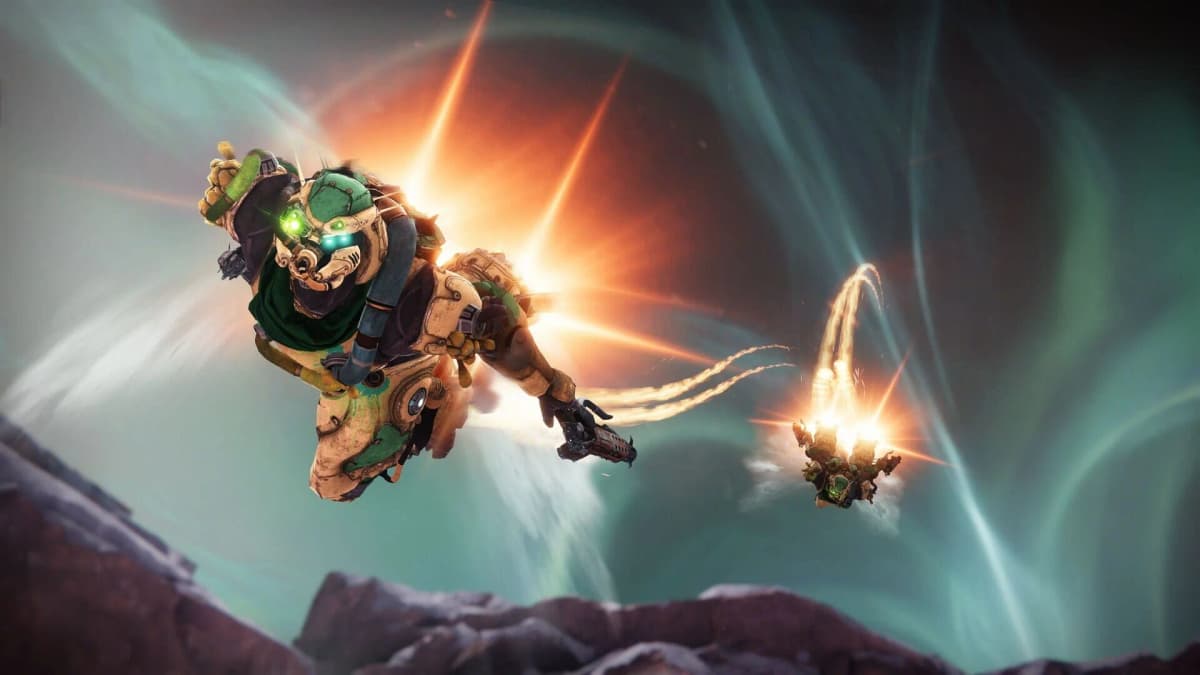
For players, the grind just changed overnight
If active development is ending, then the logic of playing Destiny 2 changes immediately. Seasonal FOMO loses most of its power when there is no longer a bigger future being built behind it. The value of your time shifts toward evergreen activities: raids, dungeons, collectible pursuits, account-completion goals, and anything being modernized in Monument of Triumph. If Bungie is bringing older raid and dungeon gear up to modern standards, that is the clearest signal in the whole announcement. The studio wants the endgame museum to function like an actual game, not just a memorial hall.
That makes this patch more practical than sentimental. A permanent Pantheon mode is not there just to spark nostalgia. It is there to condense years of boss design into something replayable and efficient, a greatest-hits format for a game that no longer expects you to orbit around next year’s expansion. In plain English, Bungie is trying to turn Destiny 2 from a pipeline into a library.
That also means some pursuits are now dead ends, whether Bungie says it out loud or not. If you were still treating Destiny 2 like a long-term investment with future power climbs, new saga setup, and another multi-year runway, that thesis is over. What remains worth doing are the parts that survive maintenance mode: permanent loot, prestige clears, title cleanup, curated encounters, and whatever social rituals your fireteam still actually enjoys.
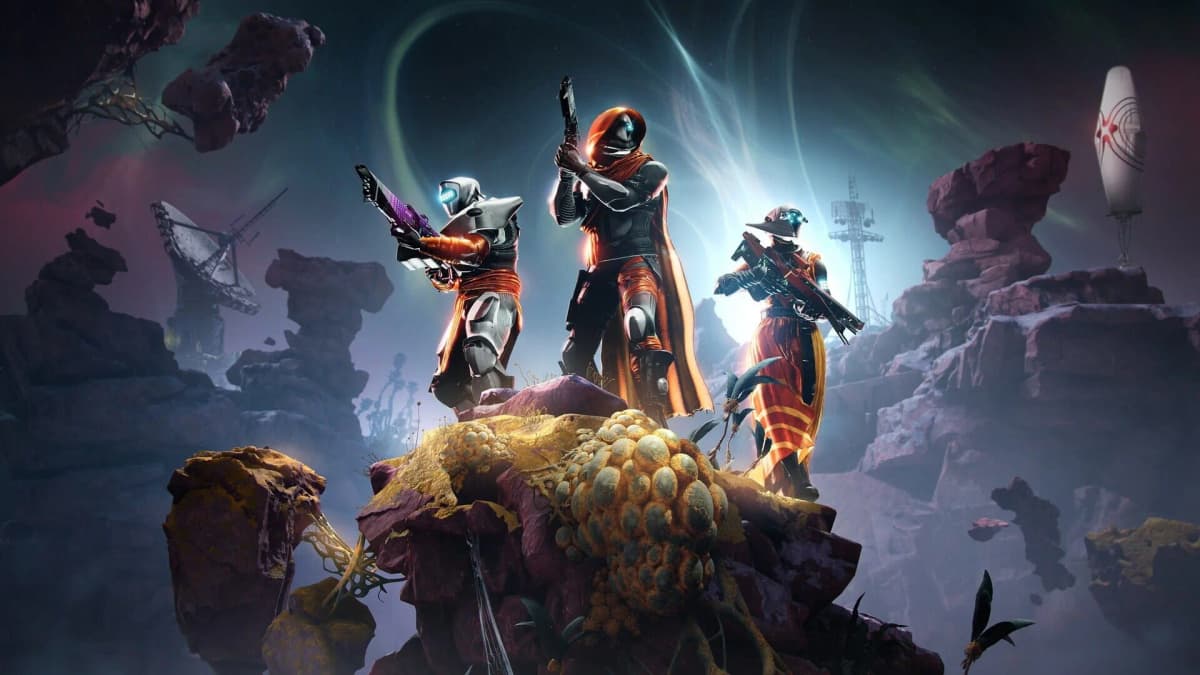
The farewell patch sounds generous, but it also covers for bigger absences
Monument of Triumph can still be good. It may even be the right kind of final update: substantial, replay-focused, and aimed at preserving the strongest parts of the game. But there is a reason the community reaction is not pure gratitude. End-of-service announcements always create a second conversation, the one outside the press release. What got cut. What got delayed. What plans quietly evaporated months ago.
Background reporting around the announcement has pointed to curtailed long-term plans and a broader studio shift away from Destiny 2 as the center of gravity. That tracks with the industry pattern. Live-service games rarely end with a dramatic shutdown first. They end with narrowing ambition, reduced cadence, and one last patch that doubles as both reward and apology. We have seen versions of this from MMOs, looter shooters, and “forever games” that discovered forever is expensive.
The question Bungie still has not answered cleanly is what support actually looks like after June 9. “Still playable” is not the same thing as healthy. Will sandbox balance continue in a limited way. Will bugs get fixed quickly or eventually or mostly not at all. Will monetized content stay on sale in a game that has stopped growing. Those are not minor details. That is the difference between a preserved classic and an abandoned mall with the lights still on.
What to watch next is not Destiny 2, but Bungie’s credibility
June 9 is the obvious date, but it is not the only one that matters. The first few months after Monument of Triumph will tell players whether Bungie means preservation or merely low-cost maintenance. Watch three things.
- How complete the raid and dungeon refresh really is. If the gear overhaul lands half-finished, this send-off will feel more like triage than tribute.
- How stable the post-update support cadence becomes. Fast fixes and clear communication would show Bungie understands legacy stewardship. Silence would say the opposite.
- What Bungie says about its next projects, and whether any of that messaging tries to trade on Destiny loyalty without earning it. After this, players are going to be much less patient with vague future-facing hype.
That last point matters most. Bungie built one of the defining live-service games of its era, then spent years testing the limits of how much reinvention, monetization, and narrative sprawl a community would tolerate. Destiny 2 surviving as a playable relic is fine. But the end of active development is still a verdict on the model Bungie sold for years. Not a total collapse. Not a triumph either. A limit.
The clean verdict is this: Monument of Triumph looks worth playing, especially if you care about raids, dungeons, and one final sweep through Destiny’s best content. But treat it like a capstone, not a new beginning. Bungie is not setting the table for the next era of Destiny 2. It is packing the good silverware before moving house.
FinalBoss // Gear
Level up your setup
01Top-rated gaming headsetson Amazon→02High-refresh gaming monitorson Amazon→03Gaming chairson Amazon→04Discounted game keyson Kinguin→
Affiliate links · As an Amazon Associate, FinalBoss earns from qualifying purchases.
Want to Level Up Your Gaming?
Get access to exclusive strategies, hidden tips, and pro-level insights that we don't share publicly.
Ultimate Gaming Strategy Guide + Weekly Pro Tips