
Table of Contents (8)
You Didn’t Buy a Game, You Bought a Date on the Calendar
Modern “launch day” is a magic trick. The box, the preload, the countdown timer – all of it is there to convince you something concrete exists on that date. But in 2026, what you usually get isn’t a finished product. It’s a license to download a massive day-one patch that quietly admits the thing you just paid £60-£70 for wasn’t actually ready to exist.
I remember when a day-one patch meant some minor tweaks, maybe a few bug fixes, sometimes nothing at all. Now it’s normal to fire up a brand new AAA release and be hit with a 40-60GB download before the menu even loads. Fallout 76’s day-one patch famously outweighed the data on the disc. That wasn’t a “touch-up”; that was Bethesda essentially shipping a rough draft on plastic and pushing the real game through your internet connection.
This isn’t an edge case any more. It’s the default. Big releases on PlayStation 5, Xbox Series, PC – if a game launches without a hefty patch waiting on the other side, it feels like a glitch in the Matrix. The industry has quietly normalized the idea that “launch” doesn’t mean “finished”, it means “good enough to go gold, we’ll finish it while the marketing money is still warm”.
And that brings me to the uncomfortable question that keeps popping up in Spanish forums and videos: “¿compras videojuego promesa?” Are you buying a videogame, or just a promise that one day it might be what the trailers suggested? With the way day-one patches are used now, it feels a lot closer to the second option.
Cyberpunk 2077: The Moment the Illusion Snapped
For me, the mask really slipped with Cyberpunk 2077. I’d lived through rough launches before, but that one was the breaking point. I’d followed Night City for years, devoured every trailer, every Night City Wire episode. When my preorder unlocked on PS4, it felt like a genuine event – the kind of launch you plan a weekend around.
Then reality booted up.
Texture pop-in so bad it looked like a late PS2 game. Police AI that teleported behind you like a parody of itself. Crashes so frequent I started manually quick-saving like it was 2004. And this was with the enormous day-one patch installed – the one that was supposed to bring the “real” version to consoles.
The patch notes read like they belonged to a mid-life update, not the first time the public got their hands on the thing. Performance improvements across the board, quest fixes, stability fixes, visual fixes. It felt less like they were polishing a final cut and more like they were trying to drag a beta over the line and hope nobody noticed. Except we did notice, because the game was borderline unplayable on base hardware.
Then the refund chaos hit. Sony pulling the game from the PlayStation Store. CD Projekt RED making public apologies and promising long-term support. Massive patches, then more massive patches. Over time, Cyberpunk 2077 clawed its way into a legitimately great state, especially on new-gen hardware. Phantom Liberty is excellent. The game, today, is almost the utopian cyberpunk RPG that was promised.
But that’s the catch: promised. What I actually paid for on launch day was a broken build plus an IOU. A future version. A promise to patch things into the shape they should have been in when that first £60 left my account. That’s the core problem with how day-one patches are being abused – not that fixes exist, but that publishers treat them as a safety net for knowingly incomplete launches.
Cyberpunk 2077 is the poster child because it was too big to sweep under the rug, but it’s not unique. It’s just the time the dam finally burst and everyone saw how much water had been building up behind it.
Day-One Patches Were Supposed to Be Safety Nets, Not Crutches
From a development standpoint, day-one patches exist because the “gold” build has to be finished weeks before release. That’s the version that gets printed onto discs, certified by platform holders, shipped worldwide. Meanwhile, the dev team keeps working during that production window. Bugs are found, balance tweaks are made, minor oversights get fixed. At launch, you push a patch and everyone gets the actual final code.
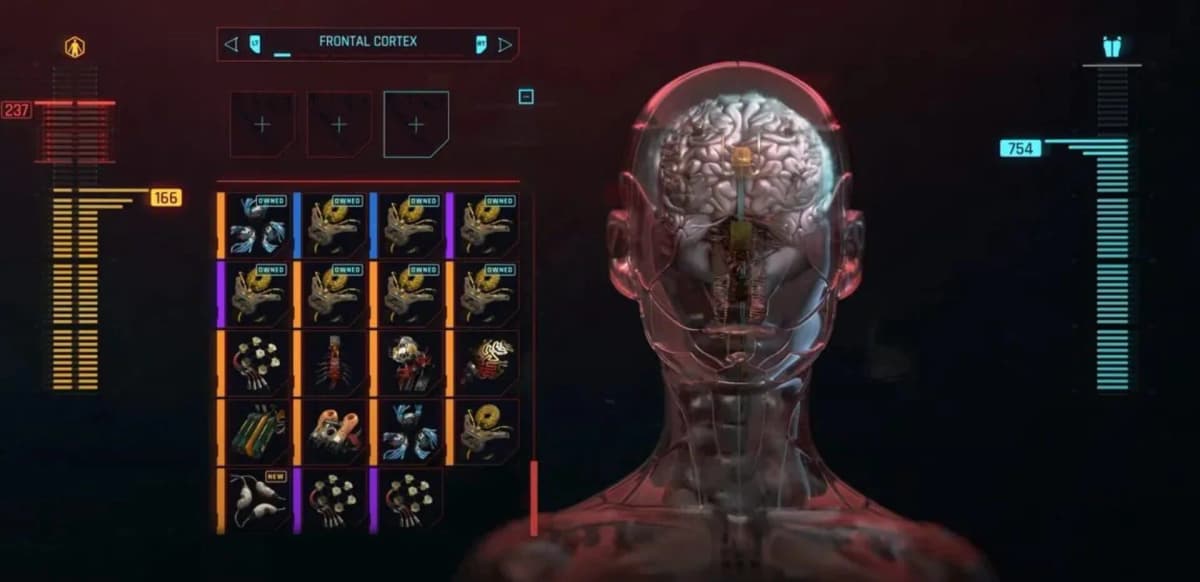
That was the theory. Reasonable, even. Hardware is complex, games are huge, and no QA process will ever be perfect. A small patch on day one to smooth out the last few rough edges? Fine. That’s the internet doing something useful for once.
But that’s not where we are any more. We’ve slid from “final polish” into “essential surgery”. Assassin’s Creed Unity shipped in a state where NPCs were missing faces and the framerate could melt if you looked at a crowd the wrong way. Its day-one updates weighed in at tens of gigabytes, with more giant patches following. Halo: The Master Chief Collection launched with multiplayer that barely functioned; its patch was around 15GB and still didn’t fix the core problems for months.
Anthem might be the most honest example of how absurd this has become. Its day-one patch didn’t just fix crashes or typos. It adjusted core balance, like how much damage electric abilities did and how status effects worked on some of the toughest enemies. That’s design-level stuff, not emergency surgery. It meant the build pressed to disc and sold at retail simply wasn’t the game BioWare thought was acceptable on release day.
The message behind all of this is clear: the important date is the marketing date, not the moment the game is genuinely done. Development can (and often does) continue right up to and well past launch, so there’s no incentive to move that date unless the catastrophe is absolutely unavoidable and public. Patches stop being safety nets and start becoming part of the production plan.
When “We’ll Fix It Later” Turns Into a Selling Point
The cruel irony is that some of the best redemption stories are built on this broken foundation. No Man’s Sky is the obvious reference here. It launched in 2016 as a skeleton of the game that had been hyped: repetitive loops, shallow systems, technical issues everywhere. The day-one patch added content and systems, but it didn’t bridge the gap between expectation and reality.
Years later, though, No Man’s Sky is one of the most generous, fully supported games out there. Massive free updates, VR support, multiplayer, base building, on and on. Hello Games kept patching long after the memes dried up. It earned a resurrection arc.
But that long-term dedication has been twisted into a weird kind of justification. People point at No Man’s Sky and say, “See? Launch doesn’t matter, they can fix it later.” As if the early adopters who paid full price for a half-realised dream were just a necessary sacrifice for the legend to be born.
But that long-term dedication has been twisted into a weird kind of justification. People point at No Man’s Sky and say, “See? Launch doesn’t matter, they can fix it later.” As if the early adopters who paid full price for a half-realised dream were just a necessary sacrifice for the legend to be born.
🎮 Get This Game at the Best Price
Compare prices instantly and save up to 80% on Steam keys with Kinguin — trusted by 15+ million gamers worldwide.
*Affiliate link — supports our independent coverage at no extra cost to you
Alan Wake II is another, quieter example from the other end of the spectrum. It launched in a better state than something like Cyberpunk, but if you wanted the smoothest performance or certain quality-of-life fixes, you were relying on updates that arrived just after launch. In a world where most copies are digital anyway, Remedy and Epic could afford to treat release as the start of a live patch cycle rather than the end of a craft process.
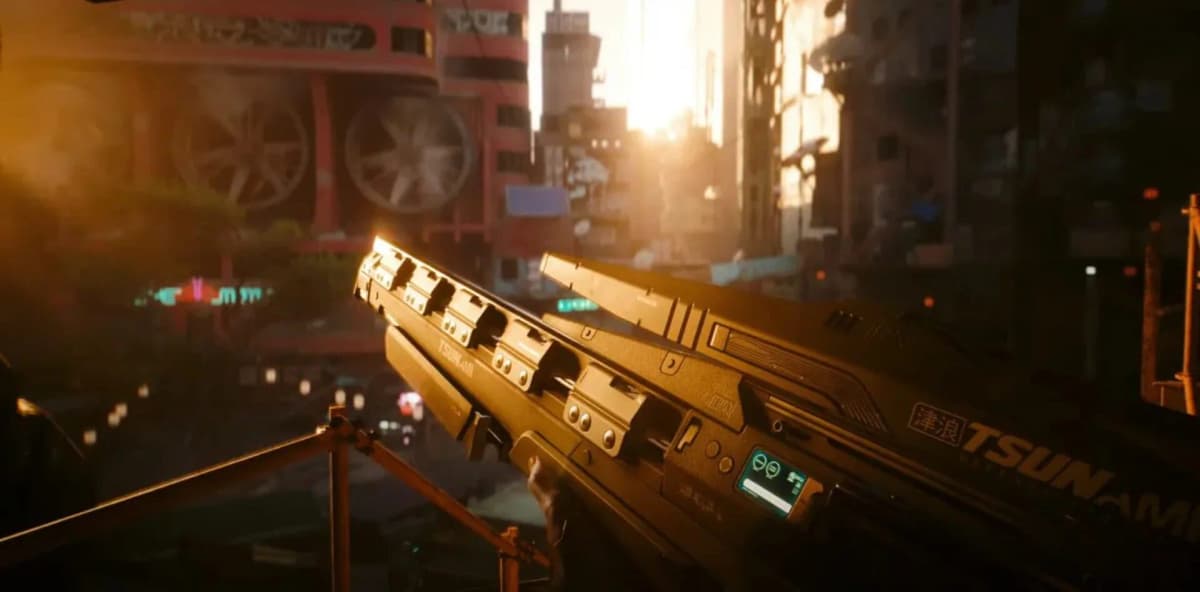
Over time, this mentality rots the relationship between player and publisher. Instead of asking “Is this game finished?” the unspoken assumption becomes “How finished is it, and how long will I have to wait until it feels complete?” The selling point is no longer a polished product but the promise of a roadmap, a post-launch plan, a content pipeline – yet another flavor of “We swear, it’ll be worth it eventually.”
That’s where day-one patches slide from necessary evil into full-on business model. They’re step one in teaching you to accept that what you paid for today is only a draft of the game that might exist in a year, if sales are good and the publisher doesn’t pull the plug.
Digital Ownership Means Nothing If the Disc Is Useless
This whole mess gets uglier once you factor in ownership and preservation. When Assassin’s Creed Unity or Halo MCC launched broken, at least you could, in theory, keep the patched versions on your hard drive. But what happens when servers shut down, storefronts close, or patches are delisted? We’ve already seen games like The Crew effectively killed off because the always-online requirements and DRM servers were taken away.
Now imagine trying to play one of these modern AAA releases from the disc ten years from now – no patches, no servers, just whatever’s on that plastic. In a lot of cases, you don’t have a game. You have an installation key for an update server that might not even exist any more.
Physical editions used to be a way to sidestep this. If you had the disc, you had the game. Maybe you missed out on a late balance tweak, but the core experience was there, preserved. That’s increasingly not the case. If a game ships with a disc that demands a 50GB patch to fix critical bugs, then that disc is not a self-contained product. It’s an access token to an ecosystem that can be switched off or altered at someone else’s discretion.
Combine that with aggressive DRM and online verification, and it becomes obvious how fragile our libraries really are. You pay full price, you own nothing in any meaningful sense, and the thing you don’t own doesn’t even work properly unless you’re plugged into a patch pipeline controlled entirely by the same people who shipped it broken in the first place.
That’s why the question behind “¿compras videojuego promesa?” cuts so deep. You’re not only buying a promise of future quality; you’re buying a promise that the infrastructure to even access that quality will still be around. There’s no guarantee, no legal standard that says “this has to remain playable in a reasonable state for X years”. If anything, the trend is going the other way.
Price, Quality, and the Lie We Keep Nodding Along To
Here’s the part that really grates on me: prices keep going up while expectations of launch quality go down. We’ve slid into this bizarre world where £70 for a console game is the new normal, yet nobody in publishing seems to think that price tag comes with any obligation to ship something robust on day one.
What you actually buy, especially with these big tentpole releases, is early access to a public beta. You get to be the unpaid QA. You find the bugs, you fill the forums, you generate the angry clips on social media that embarrass a publisher into approving bigger post-launch patches. Then the people who wait six months get the version that should have been there when your card was charged.
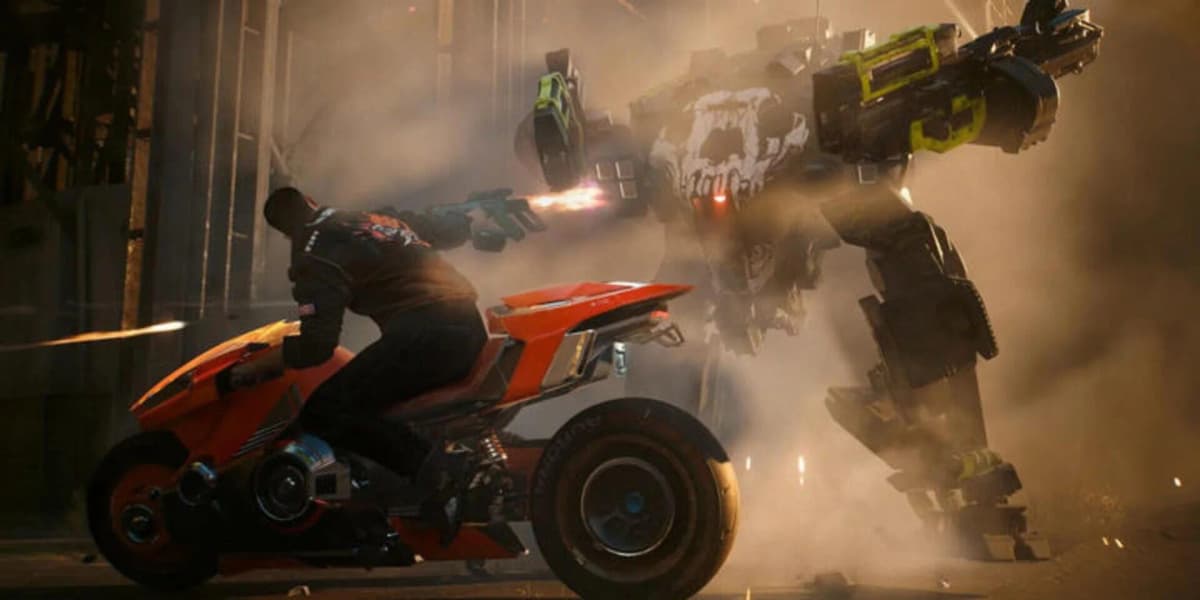
Services like Game Pass and deep launch discounts on PC dull some of the sting, because you’re not staking £70 every time. But they don’t fix the underlying problem. They just turn that early, broken phase into a sort of soft launch where the publisher gets to say, “Don’t worry, it’s on a subscription, it’ll get better.” A bad deal is still a bad deal, even if you paid less upfront.
I’m not pretending development is easy. I know how complex modern engines are, how many SKUs a game has to ship on, how brutal certification deadlines can be. But that complexity is exactly why I’m tired of being told to be “understanding” when a finished game doesn’t actually feel finished. If something is genuinely too ambitious to ship in a stable, complete state by a certain date, that’s a production problem – not a customer problem.
There’s a line between “we’ll refine it” and “we’ll finish it once we’ve got your money.” Day-one patches used to sit on the first side of that line. In too many cases, they now live firmly on the second.
How I’m Pushing Back, Even If It’s Just a Little
Cyberpunk 2077 changed how I buy games. Not because the game stayed bad – it didn’t – but because of how clear the gap was between what was sold and what actually existed on launch day. It forced me to admit that, at that point, I was basically paying to be part of a live development cycle that I had zero control over.
So now I treat most big releases like early access, whether they call themselves that or not. Unless I have a professional reason to be there day one, I wait. I look at patch notes, performance breakdowns, bug lists. I pay attention to whether the disc or initial download is even remotely functional without a huge update. If the answer is “no”, the asking price has to drop dramatically before I even consider it.
I’ve also stopped romanticizing “live service” and long-term roadmaps as some kind of free bonus. If a game is sold with a season plan and a content schedule, that’s not generosity. That’s a contract: I’m giving you money now, you’re promising to deliver more later. If you can’t even ship a stable, feature-complete foundation on day one without leaning on a 40GB bandage, I’m not interested in hearing about year-two plans.
On the flip side, I go out of my way to support releases that respect my time and money. When a studio quietly ships something that runs well at launch, with only minor patches and no catastrophic issues, I remember that. I talk about it. I recommend it. Because it proves the industry hasn’t completely forgotten how to do this; it’s just that a lot of the biggest players don’t feel they have to.
The tech isn’t going backwards. Patches are here to stay, and in a perfect world they would be nothing but a positive – a way to add support, accessibility, and extra content without fracturing a player base. But that only works if launch is treated as a finish line, not a movable checkpoint. Right now, too many publishers look at day-one patches and see one thing: permission to keep selling promises instead of games.
FinalBoss // Gear
Level up your setup
01Top-rated gaming headsetson Amazon→02High-refresh gaming monitorson Amazon→03Gaming chairson Amazon→04Discounted game keyson Kinguin→Affiliate links · As an Amazon Associate, FinalBoss earns from qualifying purchases.
Want to Level Up Your Gaming?
Get access to exclusive strategies, hidden tips, and pro-level insights that we don't share publicly.
Ultimate Gaming Strategy Guide + Weekly Pro Tips