
6 Berlin-Spirited Indie Games You Can’t Miss at Gamescom
Game intel
OKU
Become a zen monk and embark on a journey towards spiritual growth. Ride the wind across artistic Japanese landscapes as you write Haiku-like poems to capture…
Six Berlin-Spirited Indie Games Stealing the Show at Gamescom 2025
When Gamescom 2025 swung open its doors in Cologne, Hall 10.2 became a neon-drenched tribute to Berlin’s underground heart. ByteRockers Games and btf GmbH crafted an immersive Kreuzberg set—complete with a functioning U-Bahn platform, pixelated pigeons perched on graffiti-clad walls, and the pulsing beat of techno echoing around every corner. Attendees traded the sanitized sheen of AAA booths for a raw, open-air gallery of hand-painted murals, vendors hawking warm pretzels, and the hum of imagined street life. For a moment, the roars and press kits of a blockbuster showcase vanished, replaced by the hush of creative possibility and the scent of spray paint and freshly baked dough.
Beyond the set dressing, Hall 10.2’s real draw was its open-play ethos: no wristband tiers, no timed demos—just free controllers and six bold indie experiments waiting for curious hands. Whether you darted in at opening bell or sauntered over between panels, the message was clear: embrace the odd, question assumptions, and see how far these devs will push narrative, art, and mechanics.
Below, we dive into each title—sharing our first-hand impressions, the risks these teams have taken, and why every one of these Berlin-inspired gems deserves a spot on your indie radar.
What Made Hall 10.2 Feel Like Berlin
- Authentic Urban Vibes: From swaying bus-stop signs to chipped concrete plinths and dripped lettering, the booth felt more street corner than convention hall.
- Open-Ended Play: No time limits, no queue wranglers—attendees could linger, experiment, and savage test features without clock-watching.
- Art-as-Experience: Murals pulsed under shifting projectors, benches bore coffee stains, and vendors peddled regional treats, grounding games within a living tableau.
- Risk-First Mindset: Each playable build showcased innovation rather than safe formulas—hand-drawn sorrows, poetic code, zero-G mining, and more.
Six Indie Gems to Watch
Constance
Platform: PC (Steam), consoles TBA
Release: July 24, 2025
Developer: btf GmbH
Genre: 2D Hand-Drawn Action-Adventure
Imagine if Celeste’s razor-sharp platforming collided with Gris’s water-color melancholy, then dove into the fractured mind of a young artist wrestling with trauma. That collision is Constance. Each biome—ivy-choked ruins decked in sorrowful hues, neon-lit foundries brimming with optimism, misty twilight forests murmuring ancient secrets—is a living canvas. Animations flow like brushstrokes come alive: petals fall in slow motion, torn posters peel to reveal hidden messages, and every corner conjures emotional tension.
Gameplay blends crisp wall-jumps and light combat with inventive “Create” puzzles: conjure a mid-air platform by sketching it yourself, paint a cord bridge across a chasm, or sprout a vine ladder to reach higher ground. The orchestral score swells at pivotal moments, marrying narrative breakthroughs with platforming crescendos. During our extended hands-on session, the controls felt rock-solid—even on the crowded show-floor PCs—and a demo sequence about reassembling shattered memories culminated in a hush-inducing catharsis.
Behind the scenes, btf GmbH emphasized that mental health would never be treated as a gimmick: they consulted therapists and advocacy groups to ensure authenticity, avoid clichés, and build empathy. If the final release maintains its demo polish—and nail down console optimization plus voice-over nuances—Constance might reset expectations for how indies fuse heartfelt themes with tightly tuned mechanics. It’s a rare moment when hand-drawn sorrows and platform thrills merge into something you carry in your chest long after the credits roll.
OKU
Platform: PC (Steam, Epic), consoles unannounced
Developer: ByteRockers Games
Genre: Poetic Exploration
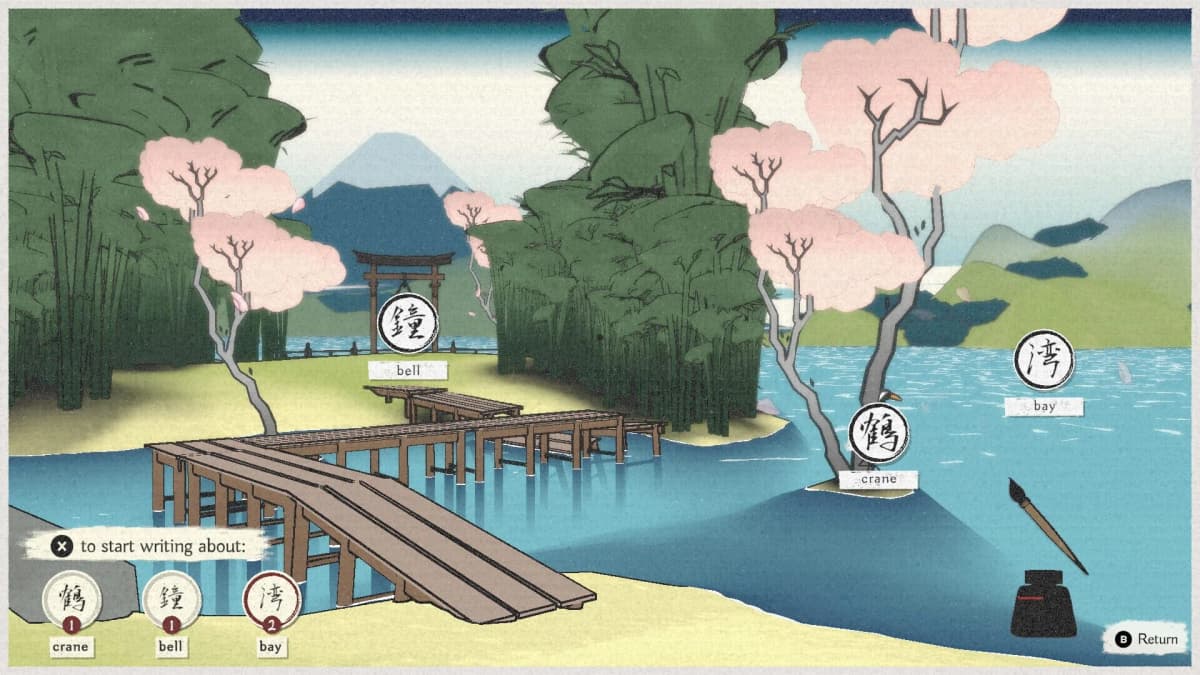
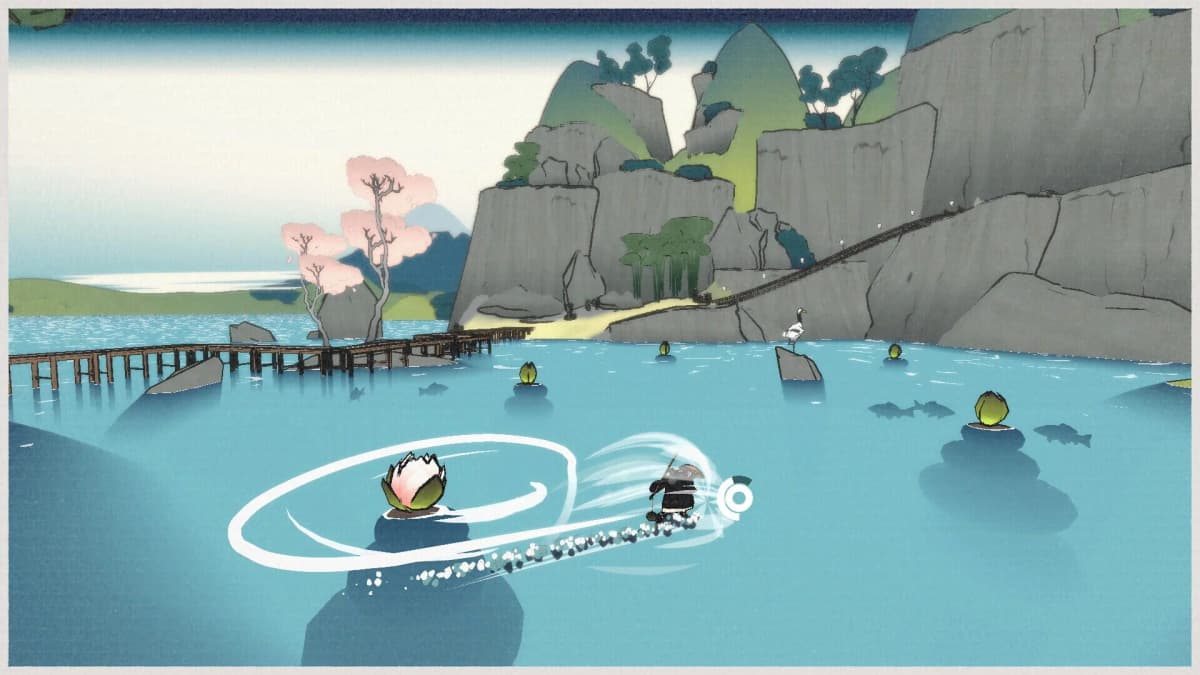
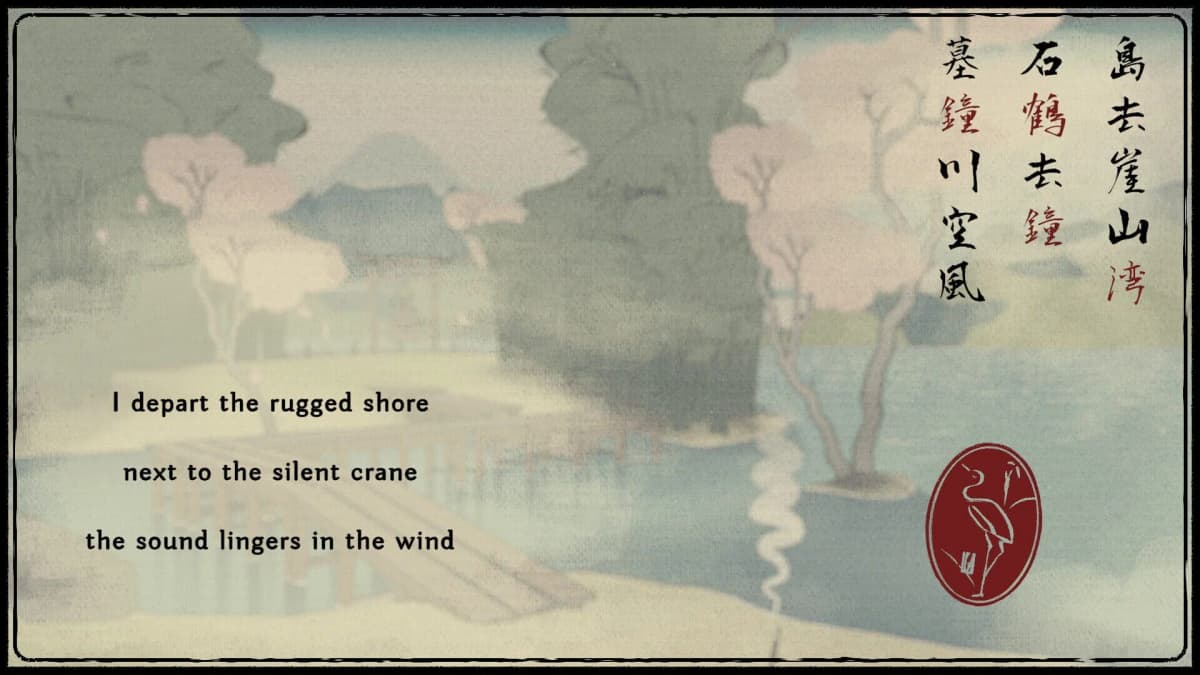
What if your weapon was a haiku? In OKU, the nomadic monk you embody crafts verses that bloom into reality: a three-line stanza parts bamboo walls, an elegiac couplet draws hidden shrines from stone, and free-verse lines awaken spectral koi in ink-churned pools. Think Journey’s open vistas, Flower’s tactile bloom, and a live poetry marathon all rolled into one seamless exploration. The result is breathtakingly novel—watch misty arches materialize from your words, or step through a poem’s stanzas onto a suspended ledge you just wrote into existence.
The standout innovation is the communal Verse Board. Lines typed by thousands of players globally scroll in real time; slot someone else’s haiku into your poem, and the world around you shifts—dawn’s peach sky intensifies, secret groves sprout fluorescent fungi, or entire ruins rearrange themselves. Even with remote participants crafting lines from different continents, latency stayed low, making the shared creativity feel immediate and alive.
Yes, OKU trades non-stop action for meditative pacing, and that might test players who crave constant spectacle. But those yearning for reflection will find layers of discovery: optional daily prompts nudging fresh imagery, a robust lexicon to unlock rare world-shaping words, and mod support for custom dialects. If ByteRockers nails performance across platforms and expands the social features—voice chat poetry nights, themed seasonal events—OKU could be the must-play indie for those craving beauty, collaboration, and creative flow.
Exovia
Platform: PC (Steam Early Access), potential VR support in the pipeline
Developer: ByteRockers Games
Genre: Zero-G Mining Simulation
Strap in, ignite your thrusters, and drift through asteroid caverns where momentum is both ally and antagonist. Exovia reimagines the resource-gathering loop by flinging it into zero gravity: you’ll anchor tethers into floating rock faces, juggle physics-based drills, and dodge collapsing stalactites as you harvest iridescent crystals. Every thruster burst sends you careening toward new veins of ore—or into the void. Lose your tether, and the cold cosmos becomes a deadly playground.
Environmental hazards keep tension high: electromagnetic storms scramble your HUD, rogue meteor showers force emergency thruster burns, and bio-luminescent fungi can either power your sensors or clog your intake valves. The demo’s standout feature was haptic-enabled controllers: each drill pulse throbbed in your hands, and the jetpack’s micro-bursts tugged subtly at your fingertips, bridging the gap between player and spaceman.
Longevity will depend on content variety and pacing. ByteRockers has hinted at procedurally generated caverns, dynamic random events like collapsing wormholes, and AI-guided scout drones unlocking hidden relic caches that reveal the lore of a lost mining colony. Cooperative multiplayer—with shared tether systems and cross-ship salvage runs—could add a social dimension to the solitary void. If balanced right, Exovia could stake a claim as one of sci-fi’s most immersive sandbox thrill rides.
Net.Attack()
Platform: PC (Steam Early Access June 2025)
Developer: btf GmbH
Genre: Coding-Inspired Roguelite
Imagine hacking battles visualized as logic gates and code blocks jostling for supremacy. In Net.Attack(), you don’t swing swords—you deploy loops, conditionals, and recursive functions to repel waves of malware. The battlefield is a dynamic grid: place a memory scrubber here, chain an AI-driven countermeasure there, and watch your nested loops fend off trojan swarms in real time. Each successful run awards new snippets—like a self-healing node or a probabilistic firewall—expanding your coding arsenal.
The interface balances accessibility and depth. Beginners drag color-coded blocks to build a basic defense; veterans script optimized routines with custom parameters. In our demo’s triad of runs, we juggled limited memory budgets against escalating malware waves, each code block a precious resource. One memorable moment saw our recursive algorithm spin out of control, spawning rogue parasites that flattened our defenses and forced a clutch restart—code here truly equates to life or death.
Early Access builds felt solid, but sustaining interest will require fresh enemy archetypes—ransomware bosses that reshape the grid, stealth trojans hiding in dark nodes—and narrative hooks, like AI advisors who evolve their guidance based on your coding style. btf GmbH has teased campaign arcs centered on cyber-activist uprisings and post-apocalyptic networks. Nail those story beats and inject seasonal coding challenges, and Net.Attack() could become the definitive roguelite for anyone who’s ever debugged at 3 a.m.
Let Them Trade
Platform: PC (Steam), potential console ports post-launch
Developer: ByteRockers Games
Genre: Chill Medieval City Builder
Swap swords for ledger books in Let Them Trade, a cozy sim that centers on negotiation and caravan diplomacy. You’ll found a fledgling medieval market town, chart trade routes across a stylized European map, and broker wool for silks, spices, and rare minerals. No catapults, no bloodshed—just the satisfying click of your economy humming along, seasonal fairs lighting lantern-lined streets, and bard minigames serenading merchants.
The core loop revolves around an intuitive trade-route planner: draw caravan paths, adjust tariffs, and monitor supply-and-demand curves. Seasonal events—spring harvests or winter blizzards—inject volatility into prices, demanding agile tariff tweaks. In our extended hands-on, launching a Midsummer Fair unlocked optional minigames—lute contests, herbal-picking races, and juggler showcases—that felt charmingly optional yet richly rewarding.
Long-term depth will hinge on community features and late-game content. ByteRockers plans AI-driven merchant guild politics—fickle barons might demand tribute or form alliances—and a scenario builder for player-created trade challenges. Steam Workshop integration could let fans craft custom goods or historical campaigns. Tackle UI refinements to prevent spreadsheet fatigue, and Let Them Trade could become the coziest counterpoint to high-octane fairs, perfect for those seeking a “one more turn” vibe.
The Berlin Apartment
Platform: PC (Steam), consoles TBA
Developer: btf GmbH
Genre: Narrative Exploration
Step through a creaking door into a Kreuzberg flat frozen in time. The Berlin Apartment is an interactive scrapbook that unfolds decades of family history across distinct aesthetic chapters. The gritty ’80s year in pixel art conveys protest poster collages; the turbulent ’90s arrivals of reunification shimmer under VHS-style filters; the modern era bursts forth with sleek UIs and social-media fragments on virtual smartphones.
Gameplay is grounded in hotspot-driven deep dives. Examine a scuffed cassette to unlock a voice memo recounting a riot’s fury; lift a pressed flower to access a granddaughter’s diary of first love; rotate a vintage poster to reveal hidden graffiti that triggers a new narrative branch. Ambient audio evolves from crackling radio static to pounding techno beats as you shift between eras, weaving a tapestry of place, memory, and identity.
Hands-on, we found no filler puzzles—each interaction drives story forward. btf GmbH is exploring branching story paths, dynamic NPC journals that fill with player-influenced scribbles, and user-generated photo galleries to personalize each playthrough. If they balance openness with narrative focus, The Berlin Apartment could redefine how exploration games marry environment, memory, and player agency.
Want to Level Up Your Gaming?
Get access to exclusive strategies, hidden tips, and pro-level insights that we don't share publicly.
Ultimate Gaming Strategy Guide + Weekly Pro Tips
High-Stakes Risks Behind Berlin’s Indie Pulse
These six titles share more than a thematic tie to Berlin’s gritty charm—they reveal bold design bets that could pay off or backfire spectacularly. Let’s unpack the biggest risks on display.
- Overloading Innovation: From poetry-powered worlds in OKU to code-as-combat in Net.Attack(), each concept leans hard into novelty. The challenge? Teaching these systems clearly without overwhelming first-time players.
- Maintaining Performance: Hand-drawn landscapes in Constance and era-shifting filters in The Berlin Apartment demand technical optimization. On underpowered hardware, frame drops could break immersion faster than a glitchy U-Bahn train.
- Niche vs. Accessibility: Zero-G mining appeals to sci-fi sim fans, medieval trade sims to cozy-build aficionados. Striking a balance between depth for veterans and approachability for newcomers will determine whether these games attract broad followings or remain cult hits.
- Longevity and Replay: Procedural caves and AI events in Exovia, mod support in Let Them Trade, and branching narratives in The Berlin Apartment promise replay value—but only if content pipelines keep pace with community demands.
- Market Timing: Indie heavyweights often clamor for fall slots. These Berlin gems must find launch windows that avoid AAA blockbusters and coincide with seasonal showcases to maximize visibility.
Final Thoughts
Hall 10.2 wasn’t just a showcase—it was a manifesto for fearless indie creation. ByteRockers Games and btf GmbH invited us into Berlin’s backstreets, then handed over the keys to six wildly inventive vehicles of play. Each project flirts with breaking points: puzzle-painting mechanics that could feel gimmicky, poetic exploration that demands patience, or zero-G mining that hinges on procedural variety. Yet these risks embody the spirit of Berlin—unafraid, experimental, and driven by a desire to challenge the mainstream.
As these titles move from playable demos to public releases, their success will rest on smart onboarding, strong technical foundations, and sustained community engagement. Will Constance redefine narrative platformers? Can OKU transform players into global poets? Will Exovia deliver infinite asteroid playgrounds? Each question speaks to the broader renaissance of indie ambition.
If Gamescom 2025 taught us anything, it’s that the next wave of genre-shapers won’t come from the usual suspects: they’ll emerge from booths dripping with spray paint and techno bass, where developers code by night and dream in bold colors by dawn. These six Berlin-spirited gems remind us why indie games remain the vanguard of creative play. Now it’s your turn—dive into these worlds, support their journeys, and witness how far underground ingenuity can push the future of gaming.