
This caught my attention because climbing games lately have swung between chaotic co-op thrills and airy exploration – Cairn quietly chooses neither. Instead it asks you to breathe, plan, and feel every hold as pro climber Aava attempts Mount Kami.
Cairn: An Atmospheric, Resource‑mindful Climbing Simulation
- Key Takeaway 1: Cairn turns climbing into a limb‑by‑limb simulation – it’s methodical, slow, and intentionally tense.
- Key Takeaway 2: Resource management (pitons, food, tape) makes climbs feel like strategic expeditions, not platforming tricks.
- Key Takeaway 3: The Game Bakers leans into story and atmosphere; Aava’s arc and the mountain’s secrets give weight to every ascent.
- Key Takeaway 4: Strong launch momentum – 100,000 copies in 24 hours — and a small post‑launch patch, but some GPU/Deck workarounds remain.
{{INFO_TABLE_START}}
Publisher|The Game Bakers
Release Date|January 2026 (Steam launch)
Category|Climbing simulation / Atmospheric adventure
Platform|PC (Steam)
{{INFO_TABLE_END}}
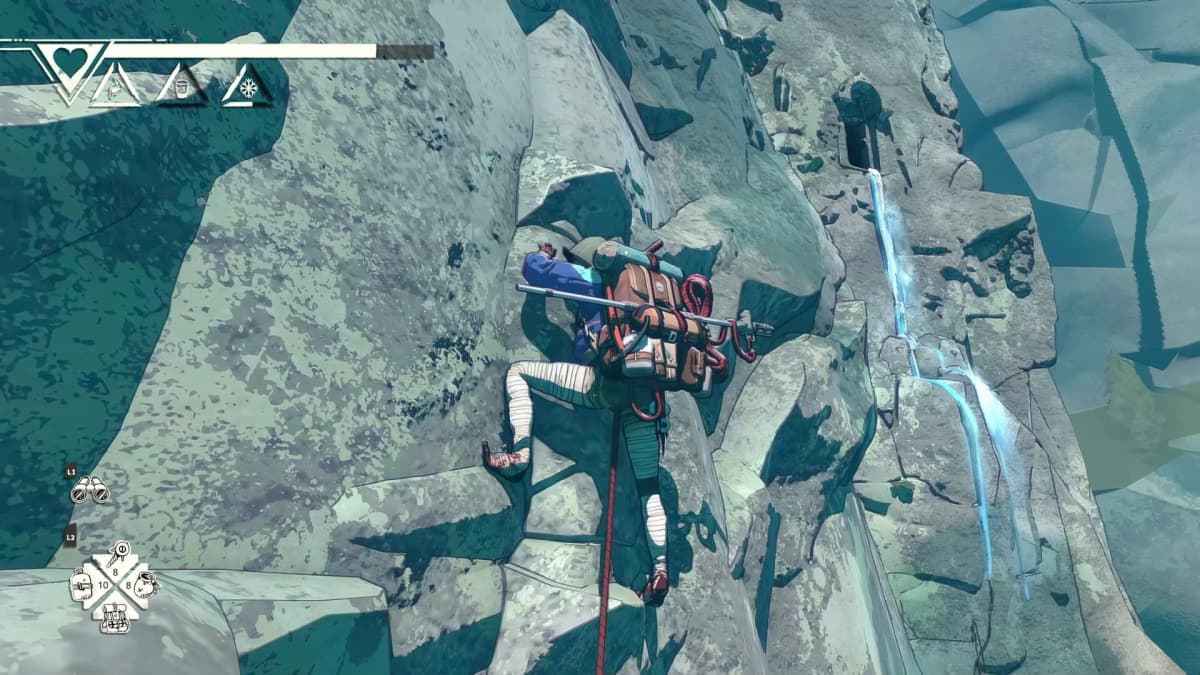
The most immediate thing that sets Cairn apart is its tactile control loop. Moving Aava feels like directing a real climber: you can let the game pick the best limb for you, or — if you want the full, nerve‑wracking simulation — take individual control of arms and legs. That limb‑by‑limb choreography evokes Grow Home’s mechanical joy, but Cairn pairs that with a slow, contemplative rhythm closer to Baby Steps or Death Stranding’s pacing.
Why that matters: in an era where climbing in games is often shorthand for spectacle, Cairn treats the act itself as the point. The stakes come from balancing stamina, grip, and supplies. Pitons double as limited checkpoints, making every placement a tactical decision: use one for safety or hoard it to push higher? Food, water, chalk, and finger tape all shape your approach. That resource tension is where the game earns its quiet drama.
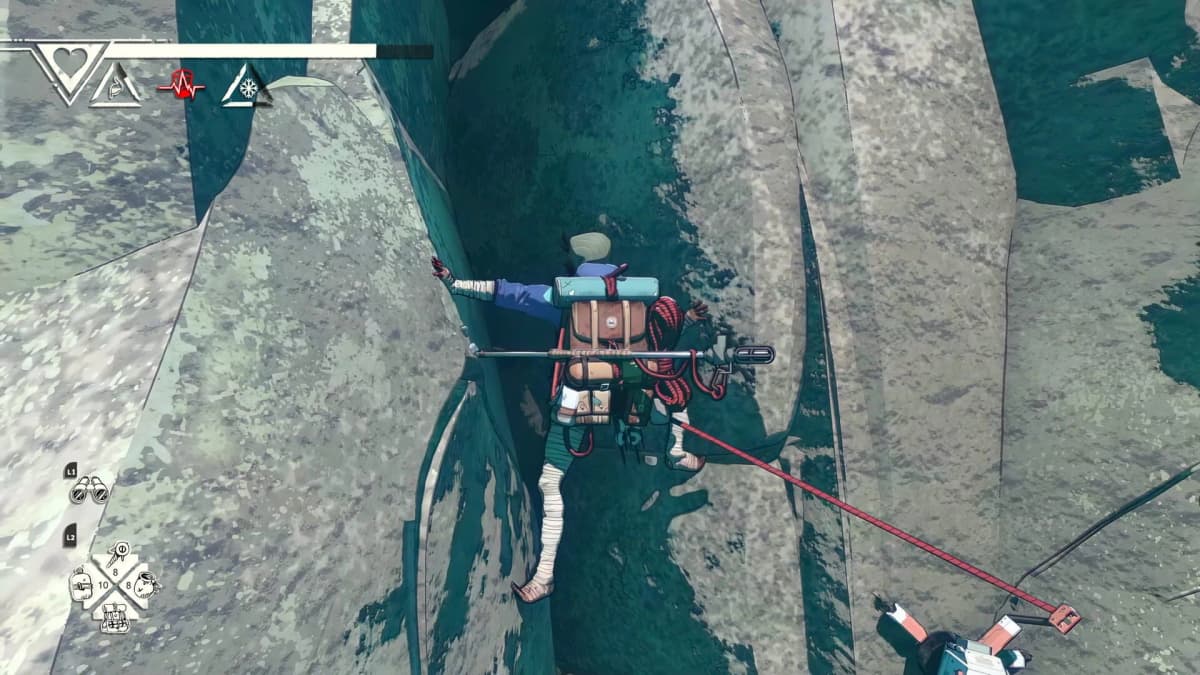
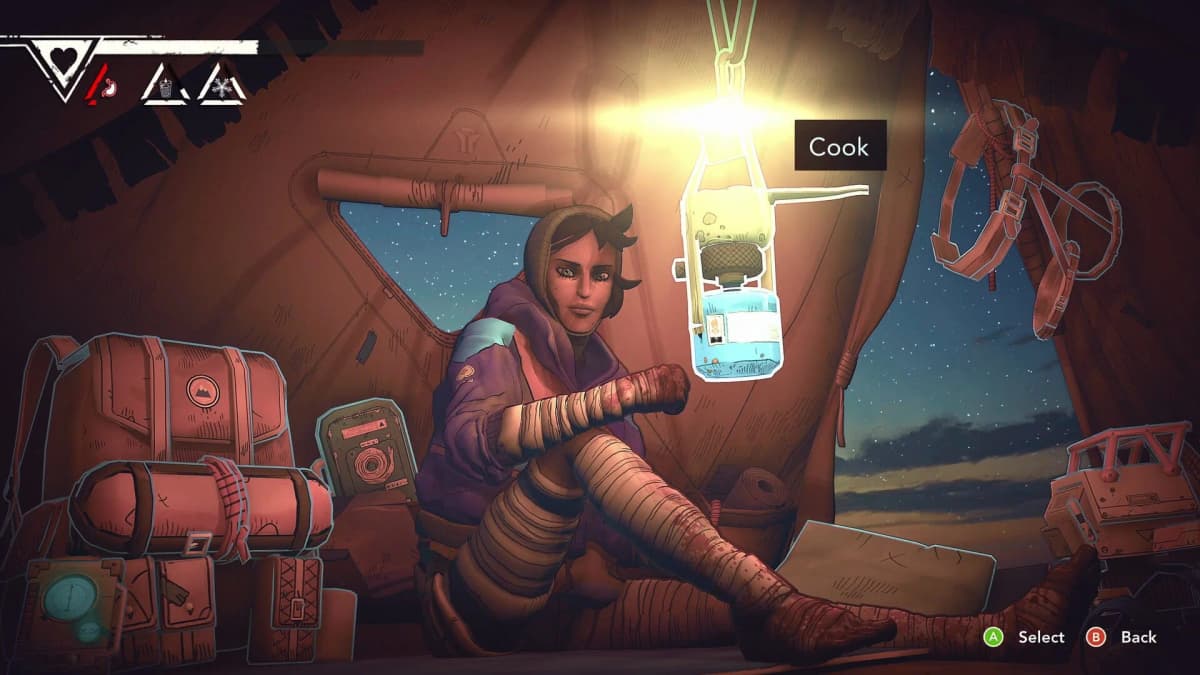
From a studio perspective this is a thoughtful pivot for The Game Bakers — the team behind Furi’s ferocious combat and Haven’s intimate story. Cairn combines those strengths: precise, physically grounded systems with a strong, personal narrative. Aava is not a generic mountaineer; she’s driven, emotional, sometimes reckless. The mountain isn’t just an obstacle either — it’s a character. Encounters with lost civilizations, other climbers, and the occasional grim reminder of failure keep the ascent meaningful.
Mechanically the game offers adjustable difficulty and convenience options, which is important because full manual limb control is punishing. By default, the assist that chooses the next limb keeps climbs accessible while preserving tension. That balance is smart design: it invites curious players without gating the full simulation behind a skill wall. Still, expect a learning curve — a single bad move can send you tumbling if you’re not careful.
Technically, the launch has been strong: Cairn sold over 100,000 copies within 24 hours on Steam, a notable feat for an indie of this tone. The team shipped a small patch that fixes minor bugs (like tutorials not disappearing) and provided temporary GPU/Deck workarounds for some players experiencing framerate issues. If you hit problems, Windows users can add ‘-force-d3d12’ to launch options; Linux and Steam Deck users can try ‘-force-vulkan’. Those fixes are helpful but suggest there’s still polish work on certain hardware paths.
Where it might not be for you: if you want fast‑paced, arcade style climbing or immediate spectacle, Cairn’s steady, introspective pace will feel slow. Likewise, players who dislike resource micromanagement may find the expedition systems tedious. But if you appreciate careful risk/reward design and strong environmental storytelling, this is one of the more distinctive climbing games in years.
Price and availability: Cairn is available now on Steam. It launched with a 10% discount — $26.99 / £22.49 until Thursday, February 12 — reverting to $29.99 / £24.99 thereafter. For a focused, single‑player experience that’s as much about mood as mechanics, that feels like fair value.
As someone who follows climbing games closely, Cairn stands out because it refuses to glamorize ascent. It turns climbing into a practiced craft, a test of judgement and restraint more than reflexes. That makes each summit attempt meaningful in a way Peak’s boisterous co‑op romp doesn’t aim for — and in the crowded landscape of 2026 indies, that subtlety is refreshing.
TL;DR
- Cairn is a slow, atmospheric climbing sim with limb‑by‑limb controls and expedition resource management.
- It’s narrative‑driven and emotionally weighty — Aava’s climb feels personal rather than purely triumphant.
- Strong launch (100k copies in 24 hrs) and reasonable pricing; minor post‑launch fixes and temporary GPU/Deck workarounds are in place.
- If you like careful, methodical games with risk management and mood, Cairn is worth the climb.
FinalBoss // Gear
Level up your setup
01Top-rated gaming headsetson Amazon→02High-refresh gaming monitorson Amazon→03Gaming chairson Amazon→04Discounted game keyson Kinguin→Affiliate links · As an Amazon Associate, FinalBoss earns from qualifying purchases.