
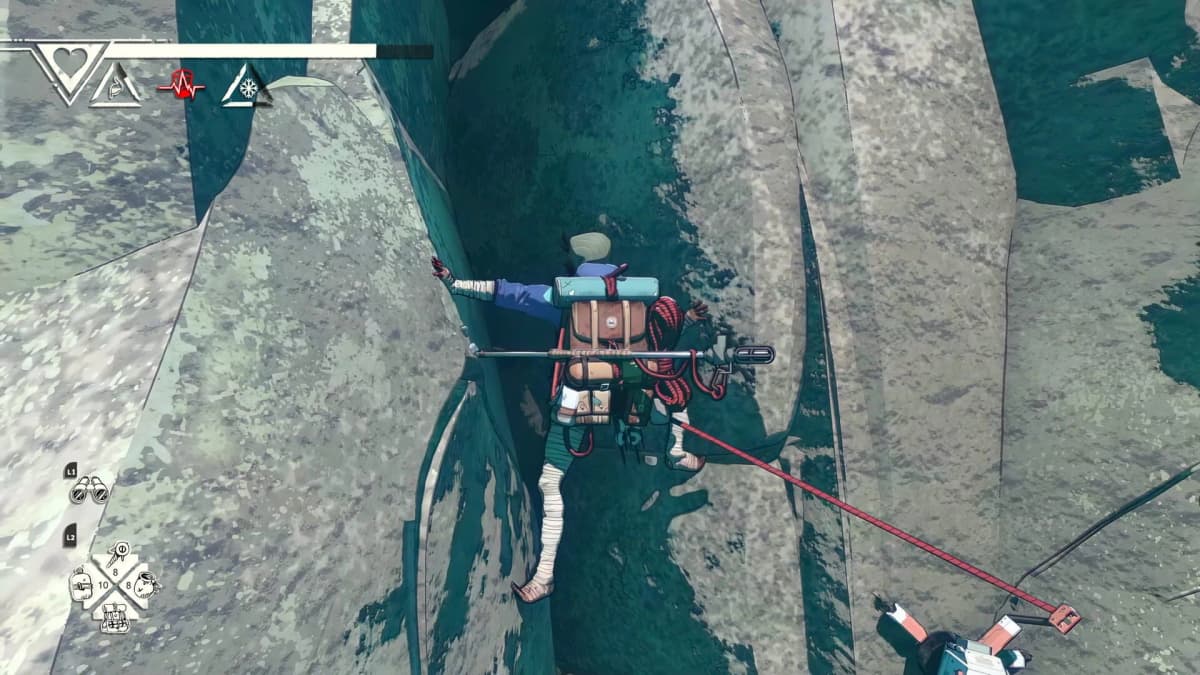
Cairn Delayed to Early 2026 — Demo Gets Ghost Races While The Game Bakers Chase a Summit-Ready
Game intel
Cairn
Reach a summit never climbed before in this survival-climber from the creators of Furi and Haven. Climb anywhere and plan your route carefully, managing pitons…
The peak is in sight – but we’re not summiting yet
This caught my attention because The Game Bakers aren’t a studio that ships half-baked ideas. Furi lived or died on frame-tight execution, and even Haven’s chilled vibe masked a deceptively deliberate feel. Their survival-climber Cairn has been one of the more exciting demos of the year, so hearing it’s delayed to Q1 2026 stings – but it also makes sense for a game where precision, friction, and trust in the systems decide whether a climb feels sublime or cheap.
- Cairn is content-complete but delayed to early 2026 for optimization, debugging, and polish.
- The demo – 600,000+ players and 99% positive on Steam — gets a limited-time ghost climber update on October 13.
- Platforms remain PC and PS5; no Xbox mention yet.
- Expect roughly 15 hours for a first ascent, 18-20 hours if you chase everything.
Breaking down the announcement
The Game Bakers say the game is “content complete,” which in developer-speak means the mountain’s built, routes exist, and you can roll credits — but they want more time to make the climb feel right. Creative Director Emeric Thoa put it plainly: “We have been running a lot of playtests, and the feedback from players is that we have something truly special with Cairn… After 5 years of work, it makes no sense to rush it, we want to be proud of the game we launch.” That lines up with what the demo suggests: there’s a careful, tactile loop here that only works if optimization and readability are nailed.
Delaying from a near-miss 2025 window into Q1 2026 isn’t unusual, and frankly it’s the right call. A climbing sim that leans on real gear, stamina management, and deliberate inputs can’t afford iffy performance or janky physics. If I place a piton and the game drops a frame at the wrong moment, that’s not drama — it’s distrust. The studio’s self-funded status gives them the freedom to make this decision, and their track record suggests they’ll use the time well.
Why the polish matters for a survival-climber
Cairn positions itself between the puzzle elegance of Jusant and the risk-heavy survival of Insurmountable. You plan your line, place protection, and read the wall, but you’re also budgeting stamina and resources while the environment pushes back. That’s a delicate cocktail: input latency and camera clarity become as important as the stamina bar. The demo hit a sweet spot for me — climbs felt like puzzles you physically solve, not just button checks — and that’s exactly the sort of design that benefits the most from months of stability work and late-game tuning.
The 99% positive Steam rating isn’t just hype; it’s a sign the fundamentals are working. The risk is in the back third of the game: repetition, difficulty spikes, and any survival system that tips from “immersive” to “tedious.” Taking the extra time to sand those rough edges is how you turn a great vertical slice into a memorable full ascent.
Ghost climbers are a smart demo update
Starting October 13, the demo will show ghosts of other climbers on Mount Tenzen — speedrunners, community standouts, and dev paths — for a limited time. This is clever on multiple levels. First, it turns the demo into a learning lab: you can tail a ghost to discover alternate handholds, cleaner anchor spacing, or daring dynos you didn’t know were possible. Second, it quietly pressure-tests whatever back-end or recording solution they’re using without committing to long-term servers.
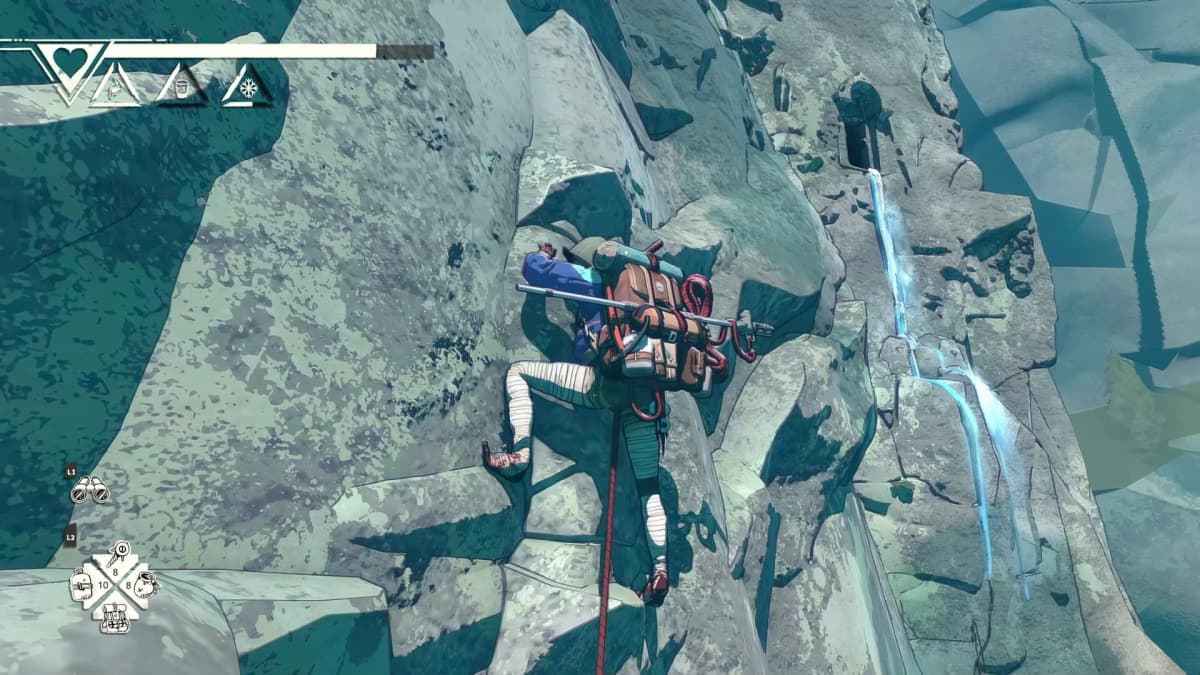
For players, ghosts scratch that Trackmania itch in a genre that usually hides routes behind trial and error. If the studio leans into this for launch — toggles for personal best ghosts, curated dev lines, maybe daily route seeds — Cairn could become a playground for speedtech without losing its survival identity. Even if the feature is purely local recordings, it’s a strong way to keep momentum during the delay.
Platforms, timing, and what to expect
Cairn is slated for PC and PS5 in Q1 2026. No Xbox version has been mentioned yet, which is notable given Haven launched on Xbox and Game Pass. That could be resource triage rather than a permanent no — smaller teams often focus on fewer platforms when polish is the goal. If you’re on PS5, I’m hoping for a 60fps performance mode and thoughtful DualSense haptics that communicate grip strain and anchor tension. On PC, the real question is how well the game scales down without compromising that crucial input feel.
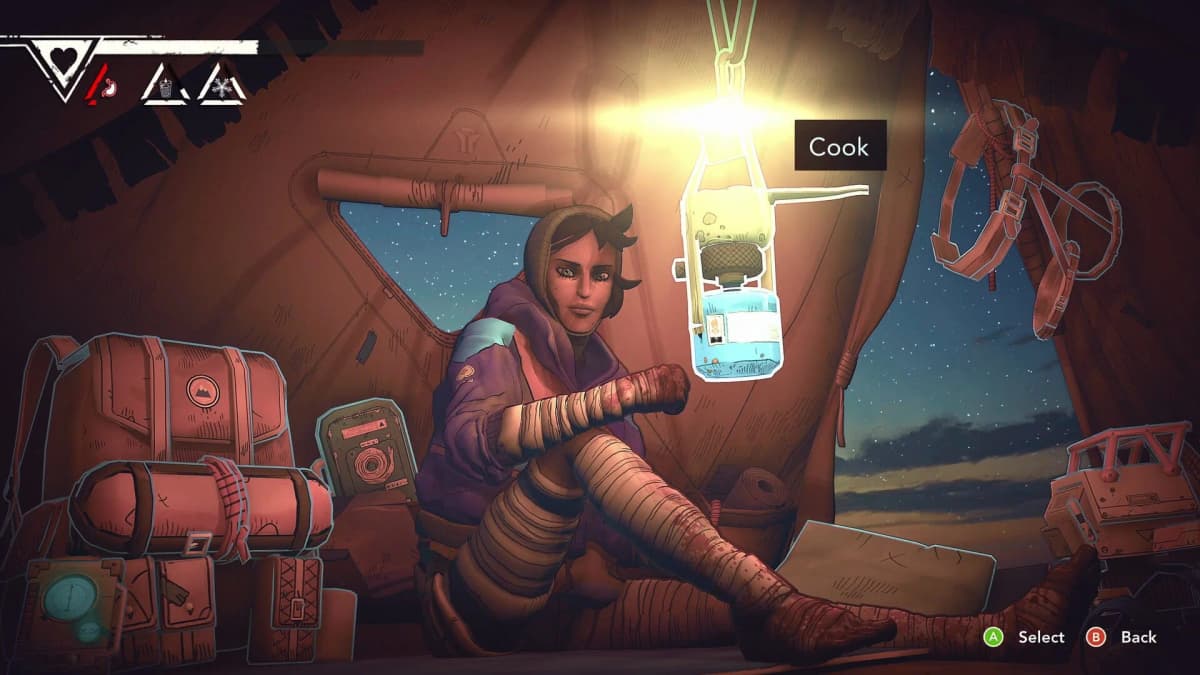
Playtime guidance lands around 15 hours for a first summit and 18-20 with extra modes and completion. That length feels right for a systems-driven climb: long enough to test mastery, short enough to avoid fatigue. The big watch-outs between now and launch: accessibility options (stamina assists, fall forgiveness, checkpointing), clarity in busy rock faces, and fail-state fairness. The Game Bakers once sparked debate with Furi’s toughness and later showed a gentler hand with Haven; how Cairn balances purity and approachability will define its legacy.
TL;DR
Cairn slips to early 2026 so The Game Bakers can polish a demo that’s already won over players. The limited-time ghost update on October 13 is a smart way to keep climbers engaged and sharpen the meta. If the team sticks the landing on performance, readability, and late-game tuning, this delay will be the difference between a solid ascent and an unforgettable one.