
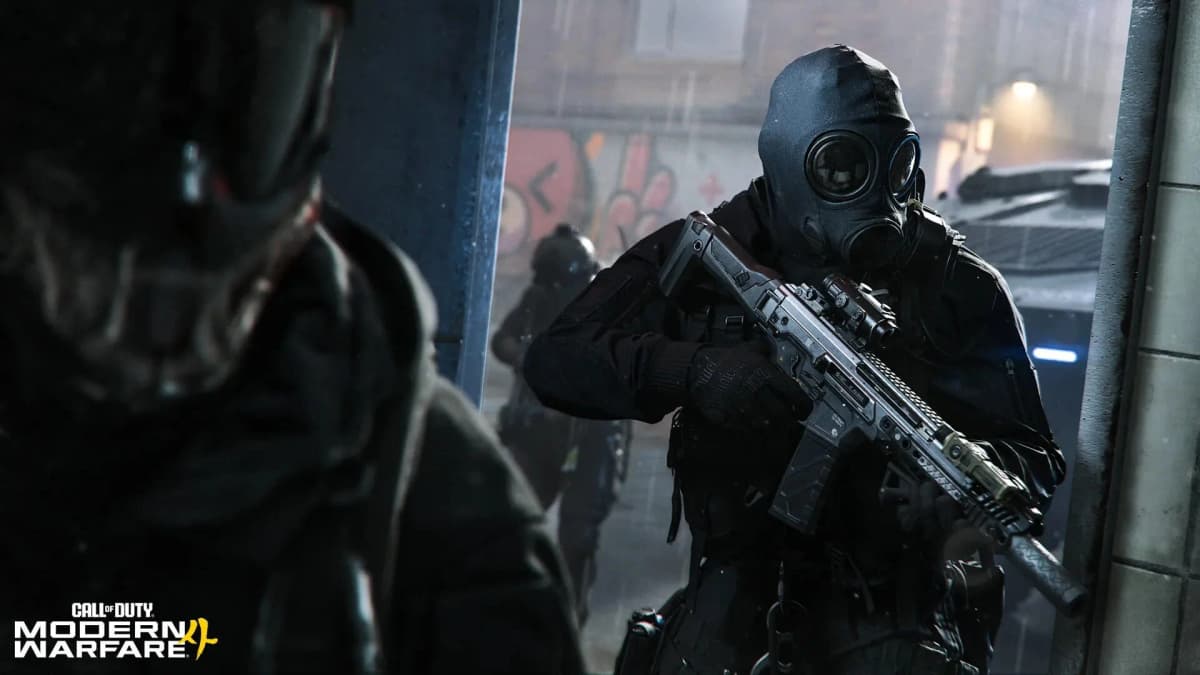
A bigger stash should never guarantee control of another squad’s opening minutes. That is the line I want Call of Duty: Modern Warfare 4’s DMZ to hold, and its paid infiltration menu puts that principle under pressure before anyone fires a shot.
The free deployment starts players on foot at a random point. Spending DMZ Cash opens vehicle-based alternatives, including a Polaris Dagor A1 and an armored Light Tactical Vehicle. That difference matters in a mode where getting somewhere first can determine what you loot, which route remains safe and whether you get to pursue your objective at all.
“Wealthier” here means having a larger stockpile of DMZ Cash. The concern is accumulated in-game resources buying an opening advantage. Calling that harmless convenience skips the exact part of an extraction match where convenience becomes tactical power.
Table of Contents (4)
What DMZ’s paid spawn menu shows
Infinity Ward’s progression trailer shows five infiltration choices. The figures below are the trailer menu’s values; launch pricing can change.
| Infiltration option | Trailer cost in DMZ Cash | Deployment shown |
|---|---|---|
| On foot | Free | On-foot deployment at a random map location |
| Polaris Dagor A1 | 5,000 | Deployment with an off-road vehicle |
| Light Tactical Vehicle | 25,000 | Deployment with an armored vehicle |
| Helicopter | 50,000 | Helicopter insertion |
| Air vehicle | 100,000 | Aircraft insertion |
The air-vehicle entry should not become an excuse to invent player-controlled gunship attacks or precise landing selection. My objection starts with the much simpler difference between walking from your spawn and having transportation ready immediately.
Vehicle infiltration also has progression requirements: story missions unlock the vehicle and helicopter options. That gives the system an earned component. It does not remove the mobility gap once a squad has completed those requirements and accumulated enough cash.
The first vehicle can shape the entire run
A squad starting on foot has to work with its surroundings. If its intended route requires transportation, finding a vehicle becomes an opening task. A squad entering in a Polaris can begin moving immediately. That can put it ahead in the race to mission locations, valuable containers or terrain that makes the next engagement easier.
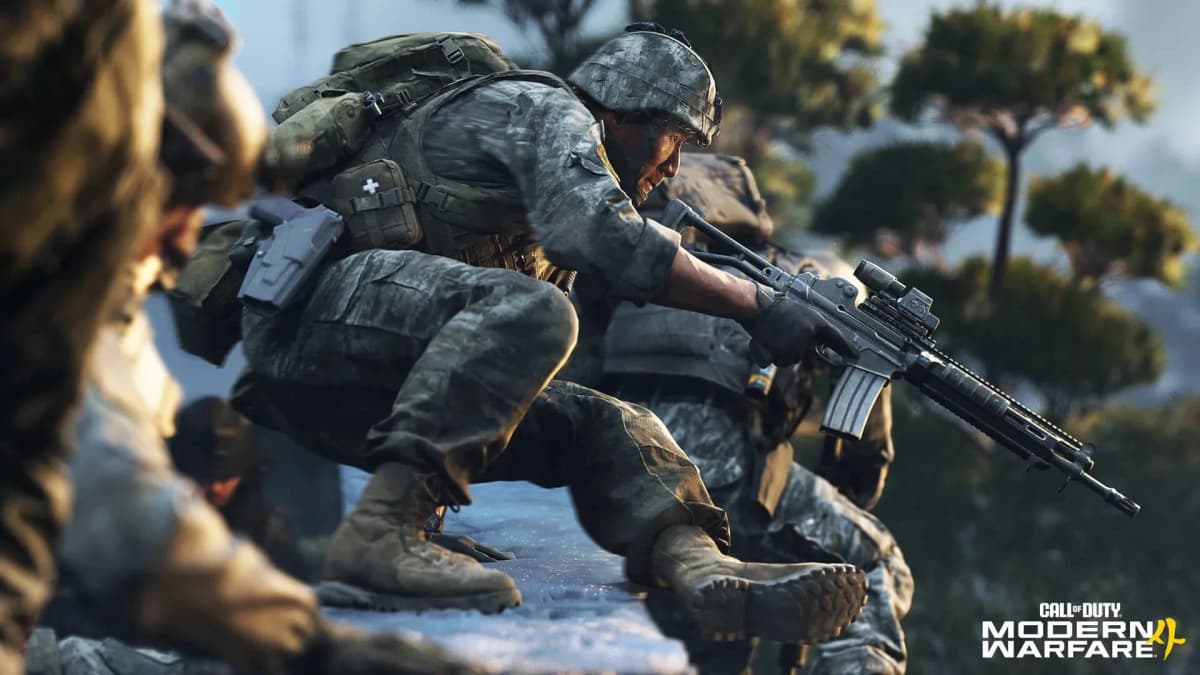
The important advantage is initiative. Having transport available gives a squad more freedom to pursue an objective, avoid a bad approach or put pressure on opponents. An armored LTV adds protection to that choice. Neither guarantees victory, but guaranteed victory is a ridiculous threshold for deciding whether an advantage matters.
These vehicles remain in the match unless destroyed or abandoned. The benefit can so extend beyond the arrival sequence. Fuel, armor and maintenance impose limits, but their balancing value depends on how quickly those limits bite and what the vehicle lets its squad accomplish first.
DMZ makes that opening consequential through persistence. Cash and crafting materials carry between rounds. Recovered resources feed the Forward Operating Base’s 3D printer, which produces armor, backpacks, tactical equipment, consumables and support gear. Getting to resources earlier can strengthen the stash that funds a later deployment.
That is the feedback loop I dislike: successful extraction funds mobility, mobility can improve access to valuable resources, and another successful extraction funds the next vehicle. A struggling squad risks spending successive matches trying to catch up while its better-funded opponents buy themselves fewer opening chores.
Earning the cash does not settle the fairness argument
The strongest defense is straightforward: extraction should reward survival, and players need meaningful ways to spend what they bring home. I agree with that principle. A persistent economy loses its appeal if every purchase is trivial and every successful run leads to the same choices.
I also accept unequal equipment as part of the genre’s stakes. My objection concerns adding deployment advantages without substantial liabilities. Spending a large amount of DMZ Cash could create a satisfying gamble if a conspicuous vehicle makes its occupants easier to track, exposes them to danger or commits them to a difficult route.
The price alone cannot do all that balancing work. A cost that hurts a struggling player may be routine for a squad with a deep reserve. The vehicle needs a tactical drawback inside the match, where opponents can exploit it.
The backlash gets at a legitimate fear: DMZ could reward opening aggression so heavily that pursuing missions becomes the foolish choice. That concern does not require every player to oppose the system, or every vehicle spawn to produce an ambush. It requires taking seriously how players adapt when reaching another squad first becomes profitable.
Activision needs to make foot deployment worth choosing
Hajin gives Infinity Ward room to address this. It is the studio’s largest map, with dynamic weather and four tiers of enemy aggression. Greater separation can reduce immediate contact, but size alone cannot settle a mobility advantage. Transportation also helps squads cross that extra distance.
I want Activision and Infinity Ward to change the infiltration design around four concrete requirements:
- Give each vehicle a liability opponents can exploit. A Polaris could broadcast its approach through noise; an LTV could sacrifice speed or maneuverability; a helicopter could have conspicuous, limited landing zones. Those are design requirements, rather than claims about the current implementation.
- Keep vehicle routes away from opening foot-spawn ambushes. Spawn placement should account for how quickly a deployed vehicle can reach a foot squad, rather than measuring separation by distance alone.
- Preserve a reason to deploy on foot. Quieter arrival and routes that vehicles cannot conveniently use could make the free option attractive even to a squad with enough cash to spend.
- Explain the actual trade-offs before launch. Players need to know arrival restrictions, vehicle vulnerabilities and deployment limits. A price ladder tells us what an option costs; it leaves the crucial balance questions unanswered.
I would rather see meaningful insertion trade-offs than a price increase. Raising the cost of an advantageous start can make it rarer while leaving the underlying hierarchy intact. The richest squads would still be best positioned to use it repeatedly.
Activision should make vehicle infiltration a situational choice before launch. Free foot deployment must remain competitively useful for players who can afford every alternative.
FinalBoss // Gear
Level up your setup
01Top-rated gaming headsetson Amazon→02High-refresh gaming monitorson Amazon→03Gaming chairson Amazon→04Discounted game keyson Kinguin→Affiliate links · As an Amazon Associate, FinalBoss earns from qualifying purchases.
Want to Level Up Your Gaming?
Get access to exclusive strategies, hidden tips, and pro-level insights that we don't share publicly.
Ultimate Gaming Strategy Guide + Weekly Pro Tips