
Locking in June 30, 2028 for the Call of Duty movie isn’t just a date announcement – it’s Activision and Paramount planting a four-year-long flag that says, “This is a franchise, not a one-off.” Whether that turns into Top Gun: Maverick with M4s or just another brand-flavored war flick depends on everything they haven’t told us yet.
Table of Contents (7)
Key takeaways
- The Call of Duty live-action movie is officially scheduled for June 30, 2028, as a summer tentpole from Paramount and Activision.
- Peter Berg (Lone Survivor, Battleship) is directing and co-writing with Taylor Sheridan (Sicario, Yellowstone), signaling a gritty, military-thriller tone.
- There’s still no title, cast, or confirmed sub-series (Modern Warfare, Black Ops, etc.) – which means this is more about staking a date than unveiling a movie.
- The real test will be whether they commit to a specific CoD identity, rating, and style, or hide behind generic “special-ops” branding with a famous logo slapped on top.
A release date without a movie
Paramount used CinemaCon 2026 to do the Hollywood power move: announce a summer 2028 “event film” before there’s a film to show. June 30 puts Call of Duty in prime blockbuster territory, next to whatever Marvel, DC, and Avatar mutates into by then.
On paper, it’s simple: Call of Duty – theatrically, June 30, 2028. In reality, they’ve locked in a date with:
- No official subtitle or series tag
- No casting news at all
- No confirmed setting or time period
- Teaser footage at CinemaCon reportedly cut from game scenes, not from a shoot
That screams one thing: this is a slate move and an investor signal, not a fan-first reveal. The project’s been floating around since at least 2015, vanished into limbo, then reappeared when Paramount and Activision finally inked a deal. Now that Microsoft owns Activision, the IP has to look like a cross-media “universe,” and you don’t build a universe without a big theatrical billboard on the calendar.
We’ve seen this game before. Assassin’s Creed got a prestige director and actors, promised a faithful adaptation, and arrived as a confused, overproduced lore dump. The difference now is the market: post-Mario, post-Fallout, post-The Last of Us, video game adaptations aren’t a joke anymore. They’re expected to be real movies, not cut-scene compilations. By nailing down 2028 this early, Paramount is saying Call of Duty is part of that grown-up wave.
The uncomfortable bit: a four-year runway means this thing will live or die on how fast trends shift. If war films go cold again, if audiences burn out on game IP movies, or if Call of Duty itself hits a rough patch, that date could age fast.
Sheridan and Berg tell you exactly what movie they want to make
The most reassuring – and also most limiting – thing about this project is the creative pairing. Peter Berg is directing, co-writing, and producing. Taylor Sheridan is co-writing and producing. Whatever else happens, we know the vibe.
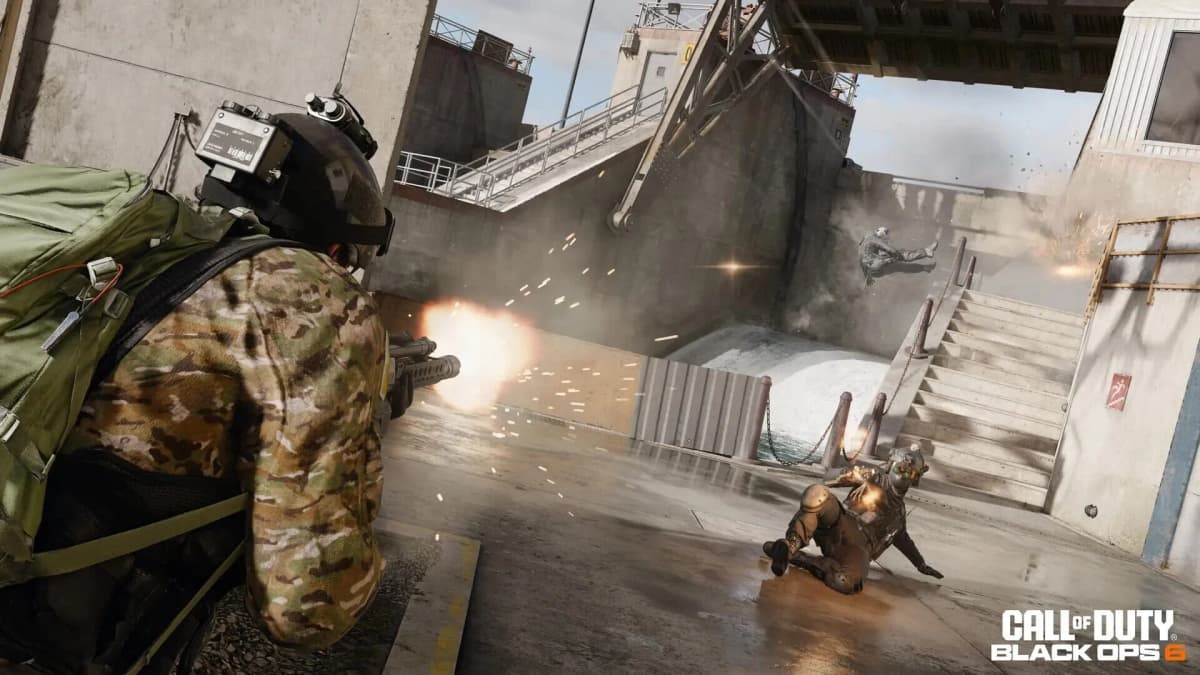
- Peter Berg: Lone Survivor, Patriot’s Day, Hancock, Battleship. When he’s in his lane, he makes muscular, boots-on-the-ground action dramas with a lot of sweat and a little rah-rah.
- Taylor Sheridan: Sicario, Hell or High Water, Wind River, and the Yellowstone factory. He does morally murky, hyper-competent professionals operating in broken systems.
Activision’s Rob Kostich has already thrown around the words “authentic” and “epic scope” – the usual marketing oxygen for military shooters – but those two names give it teeth. You don’t hire Sheridan if you want a quippy MCU-style romp. You hire Sheridan if you want operators arguing about ugly choices between airstrikes, civilians, and politics.
On the other hand, Berg has also made Battleship, which is exactly what you think a Hasbro-board-game movie would be. That’s the tightrope here: can they keep the grounded intensity of Lone Survivor while also satisfying the corporate need for a safe, PG-13-friendly global tentpole based on a $35 billion franchise?
That ratings question matters. The games are M-rated. The subject matter is inherently brutal. If this comes in at PG-13 to protect box office, we’re looking at a movie that wants the Call of Duty logo’s edge without earning it. If Paramount lets Berg and Sheridan go R-rated, you might actually get something that stands next to Sicario instead of sitting on a shelf next to generic Tom Clancy knockoffs.
The question nobody’s answering: what does “Call of Duty” actually mean here?
Right now, “Call of Duty movie” is a brand promise with zero definition. And for this IP, that’s not a detail – that’s the whole problem.
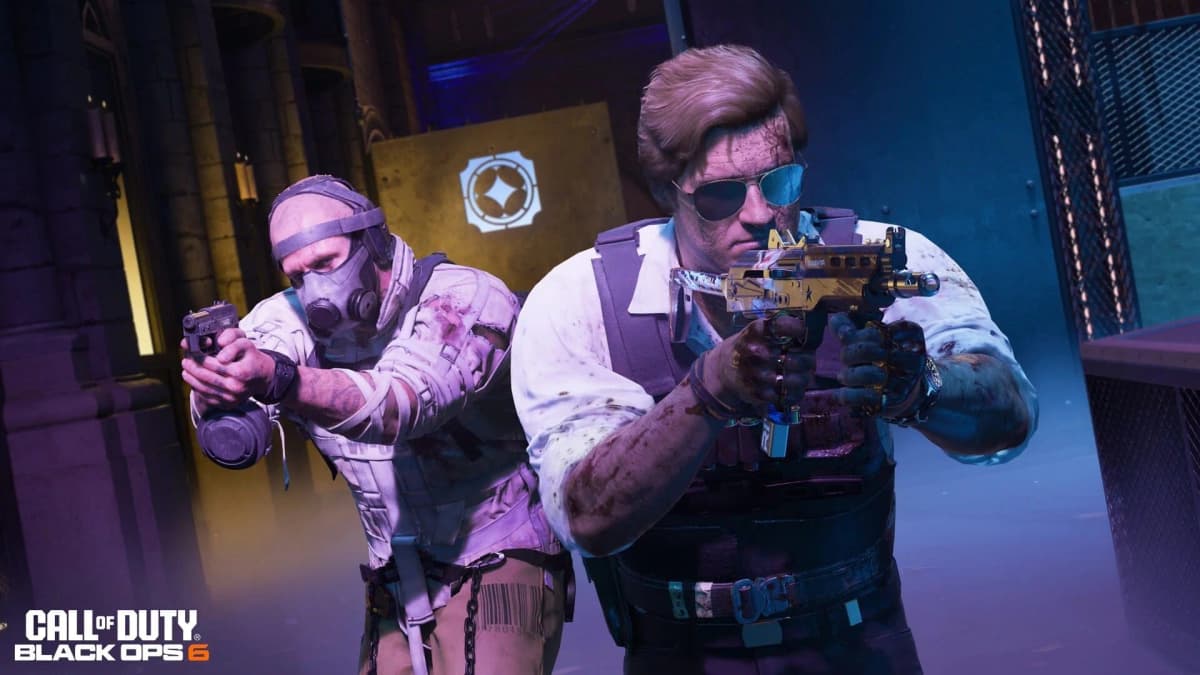
Call of Duty isn’t one universe. It’s multiple:
- Modern Warfare – Captain Price, Soap, Ghost, post-9/11 black ops and proxy wars.
- Black Ops – Cold War paranoia, mind control, conspiracies, deniable operations.
- World War II arcs – more traditional, band-of-brothers stuff.
- The weirder future entries – Advanced/Infinite Warfare, which probably aren’t on the table.
Paramount and Activision have carefully avoided saying which flavor this is. No Modern Warfare name-drop. No Black Ops hint. Just “Call of Duty,” generic “special-ops” language, and a teaser that reportedly leans on iconic game moments over “Seven Nation Army”. That tells you two things:
- They’re still figuring out the exact story.
- They really like the logo.
If they go fully original – new squad, new conflict, no Price or Woods in sight – then this is basically “Sheridan does a modern war movie” with a famous title on top. That can still be good, but it’s not really an adaptation in the way Fallout or The Last of Us are. You’re not adapting characters or a specific narrative, you’re adapting vibes and font choices.
If they lean into Modern Warfare or Black Ops, now you’re playing a much higher-stakes game. Casting Captain Price, Ghost, or Mason means every frame will be measured against years of cutscenes that players actually care about. Do you mirror the game plots? Remix them? Kill someone big just to “shock” people who know the story?
There’s also the Microsoft factor. By 2028, Xbox will want CoD firing on all cylinders across Game Pass, PC, PlayStation, and likely Nintendo again. The obvious move is a massive cross-promo: a game (or Warzone era) that lines up tonally with the film. The risk is building a bland, lowest-common-denominator “cinematic universe” where nothing too wild can happen in the movie because it has to line up with whatever seasonal content is selling operator skins that quarter.
The game-to-film boom is maturing – Call of Duty is late to its own party
This movie was first talked about in 2015. Back then, the idea of a serious CoD film sounded like wishful thinking. We got Warcraft, Assassin’s Creed, and a lot of pain instead.
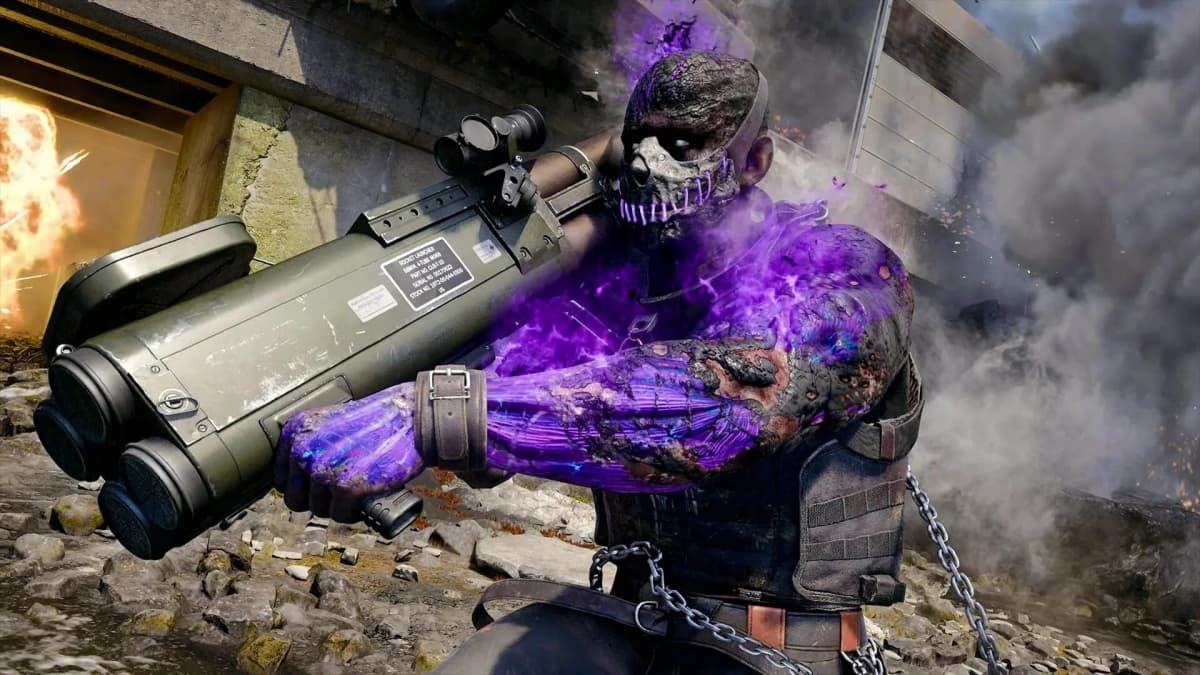
Now, by the time Call of Duty hits theaters in 2028, the landscape will look very different. We’ll already have:
- Multiple seasons of The Last of Us
- A fully entrenched Fallout TV juggernaut
- Nintendo’s cinematic universe humming along post-Mario and Zelda
- Sonic still doing laps
Those projects succeed because they commit to what their games actually are. Fallout leans into dark comedy and retro-future horror. Mario leans into color and nostalgia. The Last of Us leans into character drama and misery. None of them hide behind “we’re just inspired by the world”.
Call of Duty cannot just be “war movie, but we put COD in the title card.” Not in 2028. Not when everyone’s already seen better, sharper versions of that on streaming. It has to justify its existence as CoD – either by going all-in on a specific campaign lineage, or by doing something so sharp and uncomfortable about the forever-war era that the name actually means something.
Right now, the messaging is still safe. Big, authentic, epic, special-ops. That’s ad copy, not identity. The talent involved can deliver identity. Sheridan knows how to write compromised professionals; Berg knows how to shoot chaos without losing the audience. The real question is whether the brand will let them.
What to watch next
- The first setting reveal: Modern Warfare, Black Ops, or “original”? Once they name a conflict or era, we’ll know how ambitious this really is.
- Initial casting announcements: If Paramount lands genuine A-listers in 2026–2027, this is a real priority. If it’s TV-tier faces and character actors only, temper expectations.
- Rating confirmation: PG-13 means “brand-safe war movie.” An R-rating would signal they’re at least willing to match the games’ brutality.
- The first real trailer: When we finally see filmed footage instead of game clips, you’ll know instantly whether this is closer to Top Gun: Maverick or straight-to-streaming material with a theatrical costume.
TL;DR
Paramount and Activision have locked the Call of Duty live-action movie for a June 30, 2028 theatrical release, with Peter Berg directing and Taylor Sheridan co-writing. The ultra-early date and total absence of plot or casting details make this feel more like a franchise stake in the ground than a finished creative vision. Until we know which era, which sub-series, and which rating they commit to, this is a promising team attached to a logo – not yet a movie that deserves the Call of Duty name.
FinalBoss // Gear
Level up your setup
01Top-rated gaming headsetson Amazon→02High-refresh gaming monitorson Amazon→03Gaming chairson Amazon→04Discounted game keyson Kinguin→Affiliate links · As an Amazon Associate, FinalBoss earns from qualifying purchases.
Want to Level Up Your Gaming?
Get access to exclusive strategies, hidden tips, and pro-level insights that we don't share publicly.
Ultimate Gaming Strategy Guide + Weekly Pro Tips