
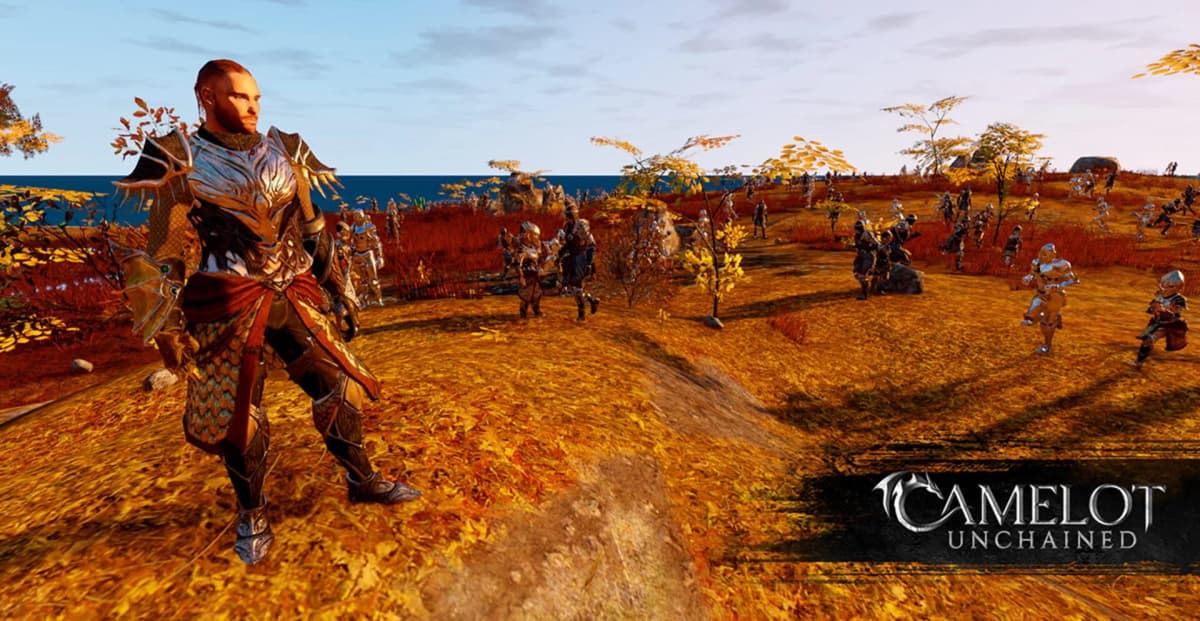
The latest weekend patch for Camelot Unchained erases all player progression and simultaneously raises the statistical cost of survival. This is not routine maintenance. The update applies a full character wipe, shifts the health and resource regen thresholds upward, and increases hostile and resource spawn rates across the world map. It also places RvRvR portals within proximity of starting cities. The combined effect is a hard reset of the build meta during a period of weekend-only server availability, where compressed play sessions already strain economic and combat pacing. Players returning with legacy templates from earlier Early Access phases will be operating below the new survival floor.
Camelot Unchained is currently in Steam Early Access at a $10 price point, operating on weekend-only server windows following a long development cycle and a 2024 engine rebuild. The current build includes three realms, nine races, seven archetypes, ten classes, multiple zones, crafting, guilds, and basic multiplayer systems. Studio leadership has outlined planned improvements targeting engine asset loading, tutorials, node spawns, and bug fixes in response to community criticism. Those backend and guidance layers remain pending; this patch focuses on combat tuning and world density instead.
Table of Contents (5)
The Regen Threshold Has Moved
Vitality now returns less effective health per point at the mid-range. The regen threshold-the specific value at which passive health recovery outpaces incoming damage in low-stress scenarios-sits higher than in previous patches. A build allocating 60 Vitality previously maintained a comfortable buffer against standard mob damage. Under the current rebalance, that same allocation produces a starved health state where damage intake exceeds recovery.
For tank archetypes and melee builds that rely on sustained proximity to enemies, the priority is to push Vitality to a new high-health breakpoint. The goal is to prevent burst damage from depleting the pool to zero before regeneration can activate and recover it. If the rebalance has also increased regen rate scaling at higher Vitality values, the payoff is nonlinear: once the breakpoint is crossed, the build may self-sustain in RvR skirmishes without dedicated healer support. That changes the tempo of solo and small-group play, rewarding high-investment survivability builds and punishing spread-stat configurations that relied on pre-patch comfort zones.
The same upward pressure applies to resource generation. The Spirit threshold-the point where resource regen matches the cost of a standard ability rotation—has climbed. Previous builds relying on 50 Spirit to maintain output are now power-starved. The new baseline requires roughly 70 Spirit to achieve the same sustained casting capacity. This compresses build diversity. Hybrid stat spreads that dipped into Spirit for utility must now either sacrifice rotation uptime or divert points from damage or survivability attributes.
Spawn Density as Economic Compensation
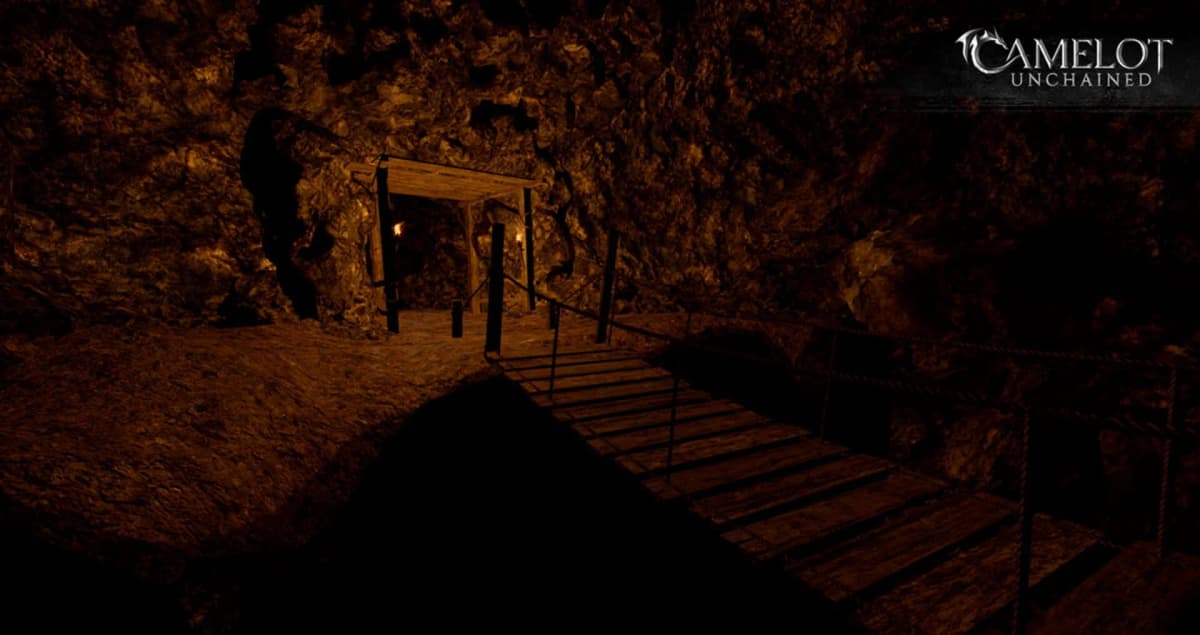
The patch pairs its stat overhaul with increased spawn rates for enemies and resources. Hunting and prospecting nodes now carry stronger drop guarantees. These adjustments address the structural problem of weekend-only server availability. In a live persistent environment, resource scarcity fluctuates with concurrent player counts. In Camelot Unchained’s current Early Access phase, uptime is limited to weekend windows, which compresses activity into 48-hour spikes and leaves the world barren during the week. The spawn increase attempts to flatten that curve by ensuring materials remain accessible during concentrated sessions.
Higher hostile density, however, means harvesting is no longer a low-combat activity. Material routes now intersect with upgraded NPC populations, which interacts directly with the raised Vitality threshold. Players optimizing for crafting or economic positioning must budget combat capability into their gathering loadouts. The early post-wipe hours become a race: the first characters to secure and process high-yield nodes will set the initial economic baseline. But the opportunity cost of death has increased, because contested spawns mean losing time not only to corpse recovery but to player interference in high-traffic zones.
The weekend-only structure also means that economic advantages compound rapidly. A character that optimizes its first six hours on a Friday evening secures a positional lead that persists until the next server window, because offline time does not erode inventory. The increased spawn rates accelerate that compounding, making early routing decisions more consequential than they would be in a 24/7 environment.
RvR Portals and the Compressed Early Game
The addition of RvRvR portals near starting cities removes the traditional distance buffer between character creation and realm warfare. Previously, players could expect a gradient of relative safety during initial progression. That gradient is now optional. Characters fresh from the wipe can step into tri-realm combat within minutes of entering the world.
This collapses the early-game timeline. The optimal path is no longer a linear safe-zone progression toward endgame RvR. Instead, the highest-yield contested areas are immediately accessible. The danger is that unoptimized builds—those constructed from pre-wipe guides using obsolete breakpoints—will enter portals before confirming their survival stats and die before extracting value. The portals do not differentiate between a tested build and a legacy template. They simply expose the build to the full damage environment.
A Day-One Checklist for the Wipe
Given the breakpoint shifts and portal proximity, the first session after the wipe should follow a test-then-commit structure. Do not import old templates without verification.
- Allocate Vitality above legacy recommendations. Test health recovery against the new hostile spawns in a controlled open-world engagement before entering portal-adjacent territory. If regeneration does not visibly outpace standard melee damage intake, raise Vitality until the threshold is met.
- Verify Spirit sustain before locking a rotation. Execute a full ability cycle and measure downtime. If the rotation stalls, increase Spirit toward the 70-point range rather than accepting power starvation as a build feature.
- Exploit increased node density immediately. The post-wipe economy is reset. Materials harvested in the first hours establish crafting progression. Route through zones with confirmed spawn upgrades, but treat every harvesting stop as a combat encounter.
- Avoid RvR portals until the survival threshold is confirmed. The portals offer accelerated experience and drops, but entering with a sub-threshold build converts time into corpse runs. Validate against open-world hostiles first, then transition.
What to Watch in the Next Cycle
The studio has targeted a December 2026 exit from Early Access, with additional classes, zones, and RvR content planned through that window. A future subscription split is under discussion, though its structure and interaction with the two planned editions remain undefined. More immediately, the next relevant signal is server availability. The weekend-only schedule is a bottleneck that increased spawn rates can only partially solve. If the phase expands to persistent uptime, the economic assumptions built around compressed sessions will shift again.
Players should also track whether promised engine asset loading improvements and tutorial revisions arrive in the next hotfix. The current patch addresses stat logic and world density, but community feedback continues to flag lag, crafting speed, and guidance as unresolved friction points. Those systems, not just the numbers, will determine whether the new math survives contact with live play.
The wipe delivers a clean slate, but previous build wisdom does not transfer. Enter the next weekend test with a checklist, not a legacy template.
FinalBoss // Gear
Level up your setup
01Top-rated gaming headsetson Amazon→02High-refresh gaming monitorson Amazon→03Gaming chairson Amazon→04Discounted game keyson Kinguin→
Affiliate links · As an Amazon Associate, FinalBoss earns from qualifying purchases.
Want to Level Up Your Gaming?
Get access to exclusive strategies, hidden tips, and pro-level insights that we don't share publicly.
Ultimate Gaming Strategy Guide + Weekly Pro Tips