
Table of Contents (7)
Why Cannon Keep matters right now
This caught my attention because Cannon Keep isn’t trying to be just another tower defense or a casual merge game – it’s pitching city-layout optimization as the tactical core. Alpha Beta Gamer has a “Request Access” beta sign-up live, which means this hybrid is at the stage where player feedback could still shape balance, progression, and the all-important pacing between building and fighting.
- Core pitch: merge-based city expansion meets turret-focused tower defense with vertical (above- and below-ground) territory.
- Why it’s different: you can’t just slap turrets down – you position, pack, and merge on a grid to grow economy and damage simultaneously.
- State of the game: beta sign-ups open via a request button, but there’s no Steam page, studio credit, or release timeline disclosed yet.
Breaking down the actual gameplay
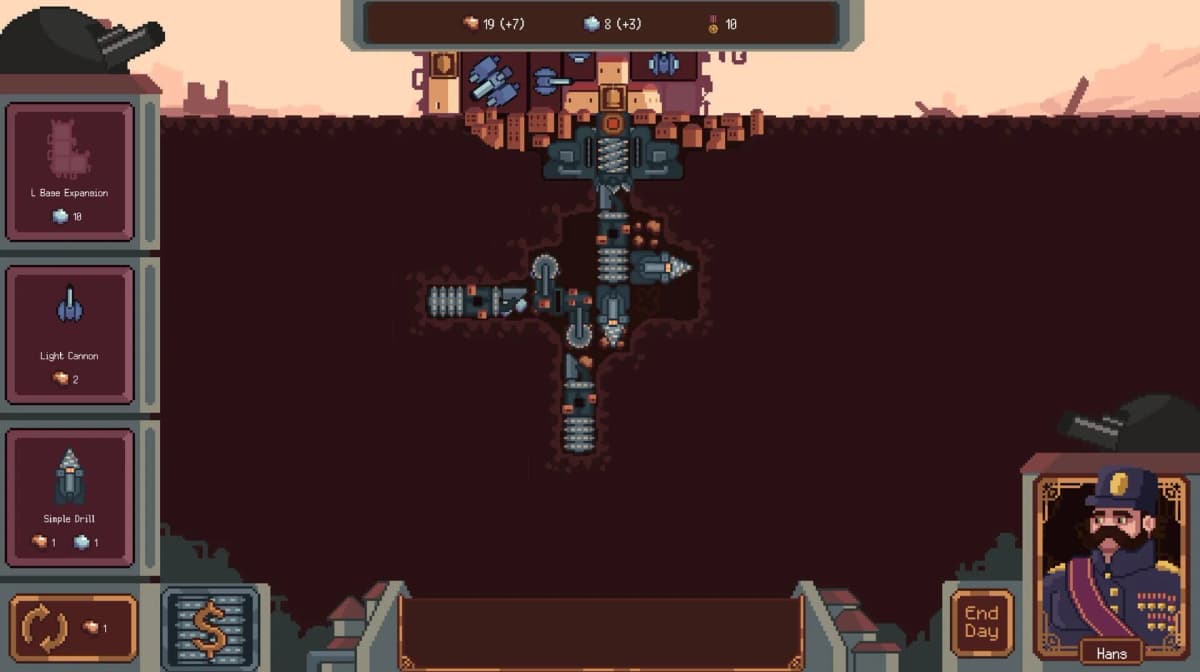
According to Alpha Beta Gamer, Cannon Keep’s loop is equal parts city-builder and tower-defense puzzle. You place buildings on a grid to expand your settlement, dig below ground for resources, and merge structures to get stronger effects. Turrets are mergeable too, combining different effects to shape defensive synergies. A commander avatar supplies active abilities to help fend off growing waves and bosses.
That setup promises three simultaneous economies to balance: horizontal layout (city), vertical expansion (underground resource nodes), and turret composition (offensive power). In practice, that sounds like a designer’s dream for satisfying “aha” moments – lining up placements so merges cascade into improved resource output while also amplifying a turret’s damage or special effects.
Why the merge + underground twist actually matters
Merge mechanics have been pigeonholed as mobile fluff for a while, but when combined with grid-based layout and tower defense they become a spatial puzzle: where do you sacrifice economy tiles to make room for a turret chain? The underground layer adds a second plane of decision-making — do you tunnel for steady resources or fortify surface chokepoints? That verticality is the clearest piece of mechanical identity Cannon Keep has.
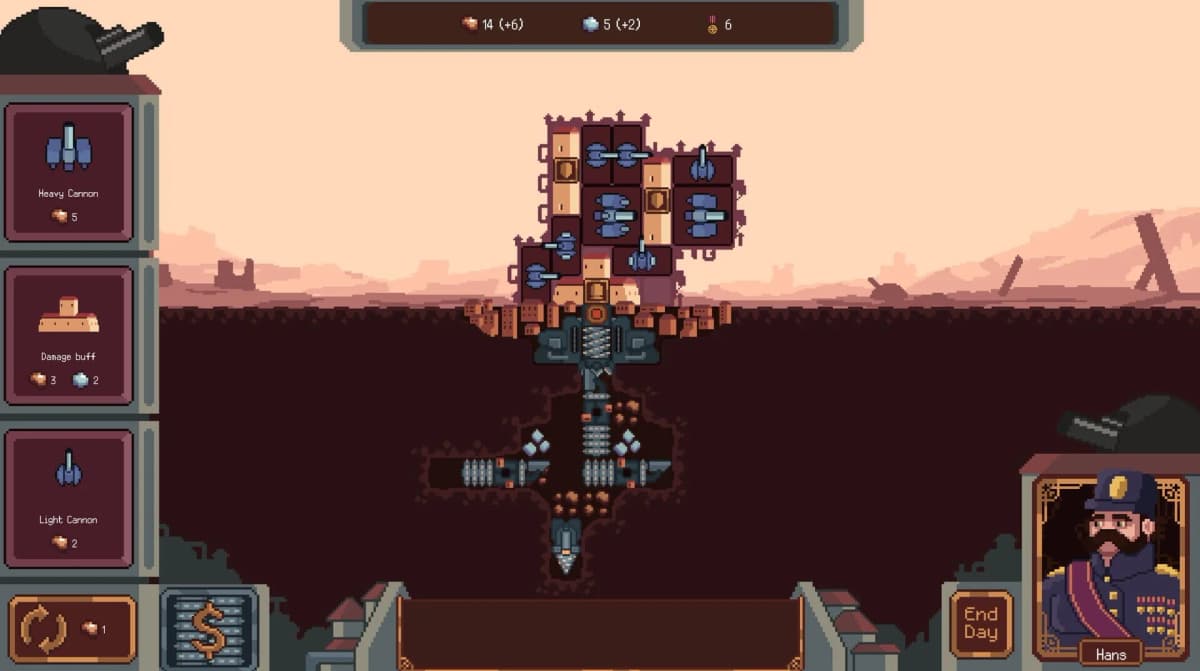
From a player perspective that can produce satisfying tactical depth without requiring twitch aim: success comes from planning your settlement footprint and anticipating enemy wave composition. It also gives designers clear levers for progression: introduce new turret effects, deeper underground biomes, or commander abilities and you change how layouts are optimized.
What’s missing — and why that matters
Alpha Beta Gamer’s write-up is the only public trace right now. There’s no listed developer, no Steam page, no platform info, and no dates for when the beta actually runs. That’s a red flag for visibility: unlike other recent betas (see the Time Takers closed sign-ups or other indie betas that pop up on Steam), Cannon Keep is extremely early in the public eye.
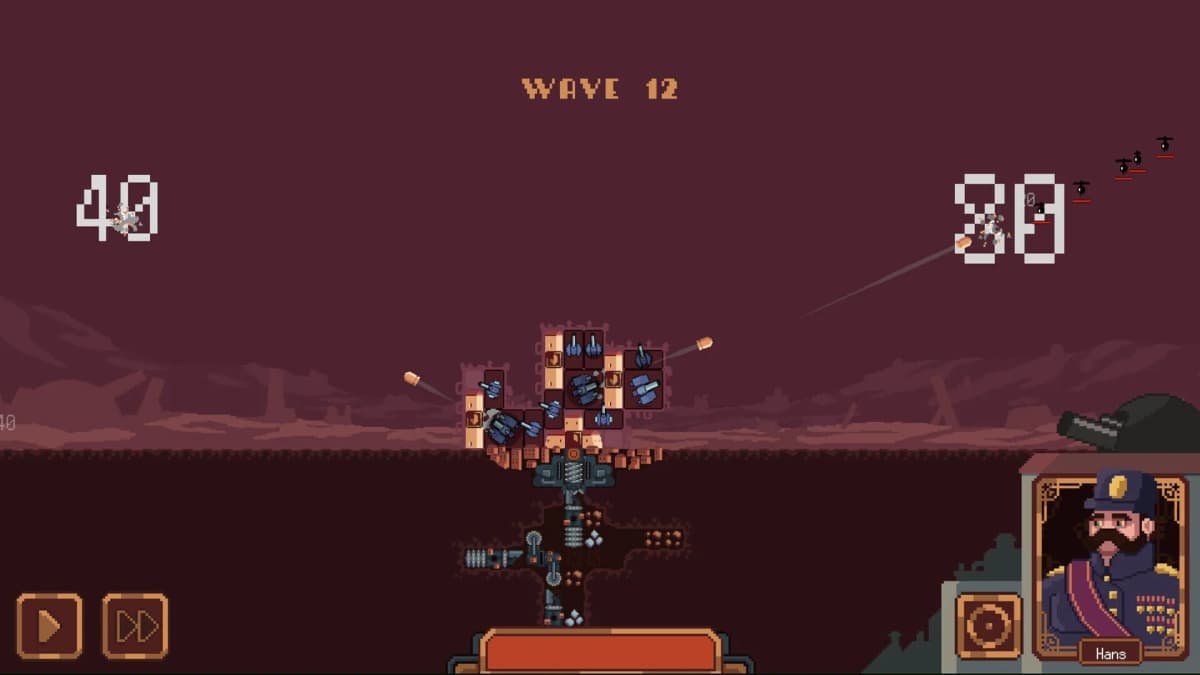
That matters because the window where player feedback can shape core systems is short. If the devs want community-driven balance tuning — which this kind of hybrid design benefits from — they need to open a clearer pipeline: platform specifics, how many players will get in, NDA or open test, and a public roadmap for changes. Right now you can request access, but you have zero guarantee of when or how you’ll get it.
Context in the crowded beta landscape
Compare this to other betas: big publishers have region-limited sign-ups and clear launch windows, while smaller indies often rely on Steam wishlists to build visibility. Cannon Keep sits somewhere before either stage. It’s distinct from 2D TD roguelites like Dice Goblin’s Den because its persistent city/merge economy leans more long-form than a single-run roguelite, and it’s not a hero-based shooter like Time Takers — it’s strategy-first.
What to watch next
- Steam page or demo drop — that will tell us platforms and let wishlists reveal community interest.
- Developer presence (X/Discord) — look for build notes and beta wave announcements that clarify regions and participant counts.
- First playtest reports — expect the early feedback to focus on merge pacing, balance of underground vs surface rewards, and whether turret merges feel meaningful.
If Cannon Keep nails its layout-as-tactics idea, it could be one of the more addictive sandboxy strategies to hit the tower-defense space in a while. If it doesn’t, the mash-up risks feeling like two shallow systems strung together. The good news is there’s still time: the beta sign-up is live, and that’s the exact moment players should lean in — or at least keep an eye on it.
TL;DR
Cannon Keep blends merge-driven city growth, underground resource management, and turret-merging tower defense into a single layout puzzle. Beta sign-ups are open via a request button, but details (developer, platforms, schedule) are missing. This has potential if the devs use beta feedback to tune layout and merge pacing — for now it’s an interesting concept with very little public visibility.
FinalBoss // Gear
Level up your setup
01Top-rated gaming headsetson Amazon→02High-refresh gaming monitorson Amazon→03Gaming chairson Amazon→04Discounted game keyson Kinguin→Affiliate links · As an Amazon Associate, FinalBoss earns from qualifying purchases.
Want to Level Up Your Gaming?
Get access to exclusive strategies, hidden tips, and pro-level insights that we don't share publicly.
Ultimate Gaming Strategy Guide + Weekly Pro Tips