

Canvas City Puts Jet Set Energy Into Turn-Based Tactics — And It Might Actually Work
Game intel
Canvas City
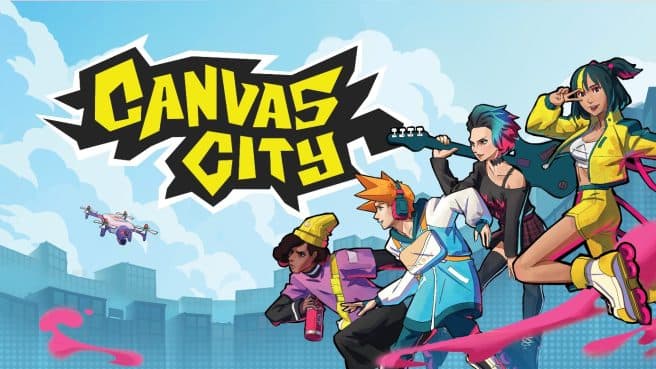
Canvas City is a turn-based tactics RPG of rebellion on rollerblades. Lead a crew of skaters and street artists rising up against an oppressive regime. Each ma…
Skates, Spray Cans, and Turn-Based Tactics? Yes, Please.
Canvas City caught my eye because it tries something tactics games almost never do: make movement the star of the show. It’s the debut from Christchurch-based Disc 2 Games, with support from Black Salt Games (the Dredge folks), and it’s pitching a story-driven, turn-based tactics RPG where you lead crews of skaters and street artists against an oppressive regime. The hook: rails, ramps, and vertical terrain aren’t just map dressing; they’re the canvas for chaining tricks, attacks, and tags to earn Style Points mid-turn. Think Tony Hawk combo logic meets XCOM positioning-on paper, that’s spicy.
Key Takeaways
- Movement-as-performance could genuinely change how you plan turns, if the UI and readability keep up.
- Over 80 abilities and 12 recruitable characters suggest depth, but also a risk of overload without smart onboarding.
- Black Salt Games’ support is a quality signal, even if the genre pivot from Dredge is huge.
- Mission replays and rank chasing hint at a score-attack loop-great for min-maxers, potentially punishing for casuals.
Breaking Down the Announcement
Disc 2 says “movement is part of the plan,” not just travel between nodes. During a turn, you can grind a rail, hop a ramp, wallride, and drop a tag, stringing these together with attacks to earn Style Points that power up abilities. The combat aims to blend traditional tactics fundamentals (positioning, zone control, buffs/debuffs) with a scoring layer that rewards flair. That’s a smart way to incentivize risk and creativity instead of the usual overwatch turtle meta.
The campaign frames the fight as cultural resistance: crews of artists, musicians, and dancers going up against corporate-sponsored squads and other rival outfits, each with distinct AI behaviors and agendas. You’ll recruit from 12 characters, each with unique tricks and backstories, and kit them out from a broad toolbox-buffs, debuffs, mobility skills, and area control are all called out. Between missions, the “Garage” serves as your hub for loadouts, story beats, and pre-mission planning. Bonus objectives and stage ranks encourage replays to unlock rare upgrades and push for top scores.
The soundtrack angle deserves a nod: composer David Mason says the music shifts per crew vibe—heavy percussion for one, bright synths for another. If the game nails adaptive scoring tied to combos or Style Point spikes, it could deliver the kind of flow-state feedback loop that made Jet Set Radio and Bomb Rush Cyberfunk feel alive, just transplanted into a tactical layer.
Why This Could Matter for Tactics Fans
We’ve seen hybrids dabble with kinetic tactics—Valkyria Chronicles’ real-time aiming, Phantom Brigade’s predictive planning, even John Wick Hex’s timeline chess—but Canvas City’s focus on trick chaining inside a turn is new. It directly connects positioning with resource generation. Done right, you’ll plan turns like combo routes: grind to reposition behind cover, tag to drop a debuff field, cash Style Points on a powered finisher, then vault to safety. It’s a different mental model than “move, shoot, end turn.”
That said, the risk is readability. The moment you ask players to consider height, momentum lines, chain opportunities, enemy zones, and a style meter all at once, turns can become analysis paralysis. The onus is on Disc 2 to surface optimal lines without spoiling discovery—ghost previews, clear rail highlights, and quick-undo chaining would help. The promise of over 80 abilities is cool, but only if they’re organized in sensible sub-kits and the UI exposes synergies instead of burying them in tooltips.
The rank-and-replay structure is another two-edged blade. Score-chasers will love perfecting routes and squeezing every Style Point; players who come for the story may bounce if S-ranks gate the best upgrades. Ideally, rank rewards feel like optional mastery candy, not mandatory power creep. The studio says you can revisit levels to refine strategy and climb the board—that’s great, just don’t make “good enough” feel bad.
Want to Level Up Your Gaming?
Get access to exclusive strategies, hidden tips, and pro-level insights that we don't share publicly.
Ultimate Gaming Strategy Guide + Weekly Pro Tips
Industry Context: Style vs. Substance
There’s a clear lineage here: Jet Set Radio’s counterculture swagger, Bomb Rush Cyberfunk’s choreographed momentum, Rollerdrome’s combo economy—now filtered through turn-based tactics. That mash-up has real potential because the genre could use a shake-up beyond percentage shots and cover icons. The Black Salt Games connection also matters. Dredge worked because it married a clean core loop to a strong aesthetic. If Disc 2 applies that same editorial discipline—strip the fat, highlight the flow—Canvas City could land as more than a novelty.
Questions remain. How do enemy crews play the same game without feeling cheap? If the AI can also style-chain, expect delightful chaos; if not, the player may just clown the system. Will stealth, noise, or territory control tie into tagging, or is it purely a buff/debuff wrapper? And please, no grindy materials economy that turns the Garage into a second job. The pitch reads single-purchase premium; keep it that way.
Platforms, Performance, and What’s Missing
Canvas City is in development for PC and Nintendo Switch, with wishlist pages live. No release window yet. Turn-based design buys the Switch some headroom, but this art style begs for fluid animation and snappy camera work during trick chains—frame pacing and readable motion trails will make or break the vibe. Localization is confirmed in English, German, French, Japanese, Simplified Chinese, and Traditional Chinese, which suggests the studio is aiming beyond a niche Western audience.
Bottom line: if Disc 2 can keep the system readable, reward creativity over rote optimal play, and avoid making rank-chasing mandatory, Canvas City could be the freshest tactics curveball since Into the Breach rejigged the puzzle. If it stumbles, it’ll be because the style-meter fantasy outpaces the tactical clarity. I’m hopeful—and I want to see that first mission where a perfectly timed grind flips a doomed turn into a highlight reel.
TL;DR
Canvas City mashes Jet Set energy with turn-based tactics, turning movement into a score-chasing resource. It looks bold and genuinely new; success hinges on clarity, balance, and not turning its stylish ranks into a grind.