
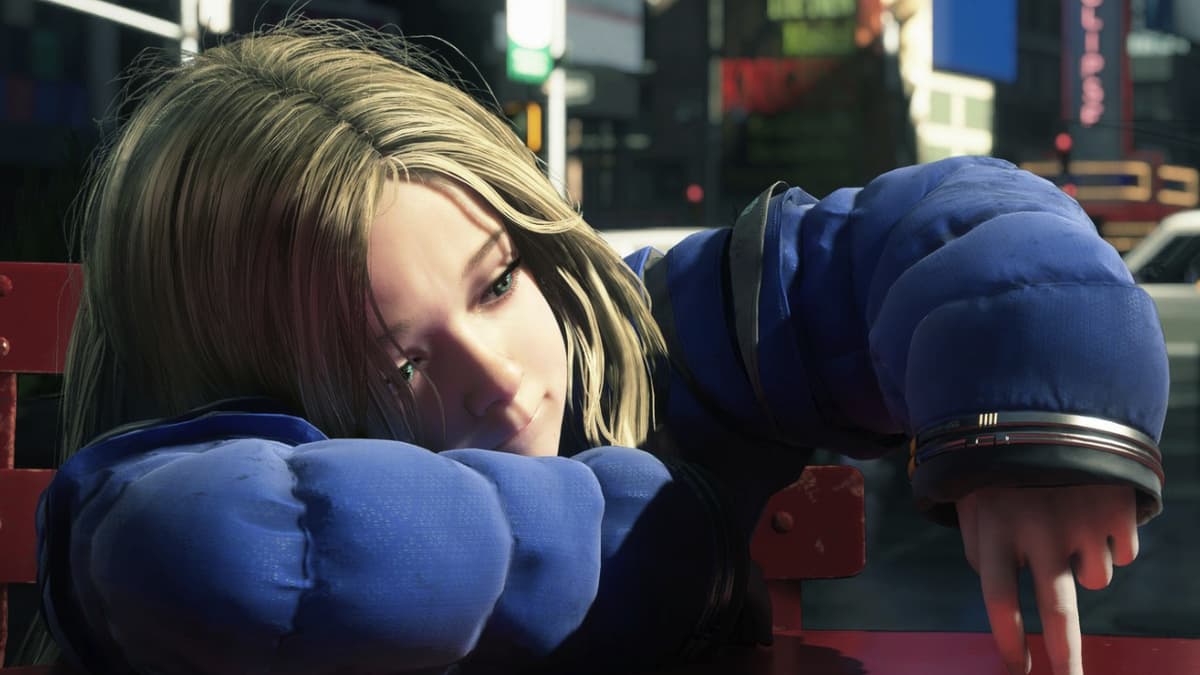
Capcom opened Tokyo Game Show 2025 with a spread that hit three notes I care about: a real revival (Onimusha: Way of the Sword), proof-of-life for the long-mythologized PRAGMATA, and live-service support that feels more eventful than obligatory (Monster Hunter Wilds x Final Fantasy XIV). It wasn’t all killer-2026 is doing a lot of heavy lifting-but there’s substance here beyond glossy trailers.
Onimusha: Way of the Sword grabbed me because it finally answers the question Capcom’s been dodging since the 2019 Warlords remaster and that 2023 Netflix anime: what does Onimusha look like today? The new story trailer puts Miyamoto Musashi at the center, ties in the demonic Genma, and crucially reaffirms the Oni Gauntlet as a mechanical pillar. We glimpse Musashi carving through Kyoto streets, clashing with Togemaru—a spined, whirling serpent Genma that screams “learn the pattern or die.”
What I’m watching for: tone and feel. Classic Onimusha was the samurai cousin to early Resident Evil—tight spaces, deliberate combat, light puzzling. Way of the Sword looks more like a modern swordplay action game with historical-fantasy vibes, closer to something in the Nioh/Team Ninja lane than the old fixed-camera days. That can work if the Gauntlet powers create risk-reward loops (Musashi wanting to sever that bond is a nice narrative hook). 2026 on PS5/Series/PC gives Capcom time to nail pacing, but it also means a long wait for fans who’ve already waited a generation.
PRAGMATA also resurfaced with an honest-to-god systems tour: the Shelter hub where you print and upgrade weapons and Hack Nodes, new tools like the Charge Piercer and Decoy Generator, plus the Multi-Hack that lets Diana crack multiple enemies at once. Riding a tram between Escape Hatches (checkpoints) on a lunar station gives me Returnal-meets-Dead Space energy—the kind of structure that can either sing or smother if the balance is off. After multiple delays since its 2020 reveal, a 2026 launch is believable but not bankable. The ideas are finally clear; now we need to see encounter design and performance hold up over a full campaign.
Monster Hunter Stories 3: Twisted Reflection arrives March 13, 2026, and that date matters. Stories 2 in 2021 surprised a lot of mainline hunters with how much heart its Pokémon-adjacent loop had. Here, Riding Actions bleed into combat and a party-wide Synchro Rush promises more tactical payoffs. The setup—kingdom tensions, environmental collapse, endangered species—feels timely for a series that’s always flirted with ecological storytelling. My wish list: proper performance on Switch 2, scalable difficulty that doesn’t punish newcomers, and some form of cross-save or cross-progression. Capcom didn’t promise that, so temper expectations.
On the mainline side, Monster Hunter Wilds Title Update 3 drops Sept 29 with a crossover that actually changes how you play, not just how you look. Facing Omega Planetes with FFXIV mechanics, channeling the Dark Knight via Bale Armor and “The Blackest Night,” and flinging art-magic as a Pictomancer isn’t just fan service—it’s new party dynamics to lab. It’s free, which softens the blow of the parallel paid Cosmetic DLC Pack. Rounding it out: Arch-tempered Nu Udra joins permanently, new rarity 8 Artian quests and challenges land, and Capcom teases Gogmazios for December’s TU4. This is the cadence you want from a flagship—frequent, meaningful, and not only cosmetic.
Mega Man Star Force Legacy Collection compiles all seven DS-era entries with online play, filters, an art gallery, a music player, difficulty/assist options, and—this is big—the previously promo-locked Battle Cards. That last bit turns a once-fragmented experience into a complete one without hunting old toys or events. It’s preservation done right and a chance for Battle Network fans to finally give Star Force its due when it lands in 2026 across modern platforms.
Phoenix Wright: Ace Attorney Trilogy gets a November 19 patch with Latin American Spanish and Brazilian Portuguese, plus episode select, gallery mode, auto-play, and better testimony UI. Localization isn’t a “nice to have” for courtroom adventures where word choice is everything; it’s access. This is a smart, overdue update that’ll bring new fans into one of Capcom’s best back catalogs.
C. Viper joins on Oct 15 with her gadget-heavy mixups—exactly the kind of technical character SF6’s meta can accommodate. She’s available via the Year 3 Character Pass/Ultimate Pass or à la carte with Fighter Coins, with two outfits (one classic-adjacent, one new role at SiRN). There’s also a neat, left-field nod to Banshee’s Last Cry’s 30th anniversary via a free World Tour episode and hub cosmetics, plus Zangief’s mecha Outfit 4 backed by a Cavalera Conspiracy collab track.
SF6 being on sale for $19.99 digitally is a steal if you’re late. Just know the character pass math adds up fast—great for regulars, less so for dabblers. Still, between consistent roster drops and fun crossovers, this is how you keep a fighter alive in year three without burning the community out.
Capcom’s message is clear: 2026 is the new big year, but 2025 isn’t filler. Onimusha and PRAGMATA need time; Monster Hunter and Street Fighter keep the lights bright; Mega Man and Ace Attorney show a publisher that remembers its history. If Capcom sticks the landings—and doesn’t slip those 2026 windows—this lineup could be one of its most balanced in years.
Onimusha and PRAGMATA are real but 2026-bound, Monster Hunter gets a substantial FFXIV crossover now, and Capcom’s legacy support looks refreshingly player-first. It’s a solid TGS showing—hype with a plan, not just promises.
Get access to exclusive strategies, hidden tips, and pro-level insights that we don't share publicly.
Ultimate Gaming Strategy Guide + Weekly Pro Tips