
Seven million copies in under two months is not just a hit. It is the kind of number that makes a publisher rewrite its own year in public, which is exactly what happened here. Capcom has upgraded its full-year outlook after Resident Evil Requiem blew past expectations, and that matters because it confirms something the industry has been dancing around for a while: Capcom is no longer surviving on legacy goodwill. It is operating like one of the few major publishers that can still launch a premium single-player game at full price, keep the momentum going digitally, and turn that success into a company-wide financial story.
Table of Contents (7)
Key Takeaways
- Resident Evil Requiem has cleared 7 million units worldwide, after earlier milestones of 5 million by March 4 and 6 million by March 16. That is absurd launch speed even by modern franchise standards.
- Capcom raised its fiscal outlook directly because of that momentum, with stronger digital sales and catalog performance helping push the revision.
- The uncomfortable truth for the rest of the industry: Capcom is getting rewarded for doing the supposedly “old-fashioned” thing well – polished premium games, smart franchise management, and post-launch support that does not depend on inventing a battle pass.
- The next signal to watch is not just more sales. It is whether Capcom can convert this into longer-tail revenue through DLC, anniversary events, and renewed sales for older Resident Evil titles without burning the brand out.
This is bigger than one blockbuster launch
The surface-level story is obvious: Resident Evil Requiem sold extremely well, and Capcom is happy. Most outlets will stop there. The real story is that Requiem has become proof of concept for Capcom’s entire modern strategy.
According to the available reporting, Capcom raised its full-year forecast after Requiem’s rapid sales surge and better-than-expected digital performance. GamesIndustry.biz reported the company lifted projected net sales to ¥195.3 billion and net income to ¥54.5 billion. That is the kind of revision investors care about because it is not based on vague “engagement” language or some carefully massaged MAU chart. It is driven by people buying the game, and then buying more Capcom around it.
That last part matters. Capcom did not just benefit from one new release landing cleanly. The company also cited stronger catalog sales across its major series, which is exactly what happens when a franchise hit acts like a shop window for everything around it. A new Resident Evil does not live in isolation. It boosts interest in remakes, prior sequels, DLC, and whatever discounted back-catalog bundle happens to be sitting on digital storefronts. This is one of the oldest tricks in publishing, but it only works when the new game is strong enough to pull the rest of the line behind it.
Capcom keeps winning by being weirdly disciplined
Here is the part I would ask Capcom PR if they were sitting across from me: how much of this upside came from Requiem itself, and how much came from the machine around it? Because Capcom has spent the last several years building a rare kind of credibility. Not perfection, obviously. But credibility. Players now broadly expect a mainline Resident Evil to launch in good shape, review well, and feel like money was actually spent on craft rather than on monetization consultants.

That sounds basic. In 2026, it is not. Plenty of big publishers still act like shipping an expensive game without a self-inflicted controversy is some impossible moonshot. Capcom has made a habit of it. Resident Evil Village, the remakes, Monster Hunter, even the long-tail support rhythm across key franchises – this is a company that increasingly understands the value of predictability. Not boring predictability. Trusted predictability.
And yes, there is irony here. The industry spent years insisting the future belonged to endless live-service retention loops, while Capcom keeps cashing in on premium releases with strong identities and clean franchise positioning. Requiem’s performance is another reminder that players are still willing to show up in huge numbers for a focused, expensive, high-confidence single-player game. The trick is that you have to actually make one.
The sales spike is real, but the next test is durability
It is easy to get drunk on launch numbers. Publishers do it all the time. Five million in a week, six million by mid-March, more than seven million by late April – that is spectacular pace, and by current reporting it makes Requiem the fastest-selling entry in franchise history. But the number that matters next is not 8 million. It is whether the slope stays healthy after the launch adrenaline fades.
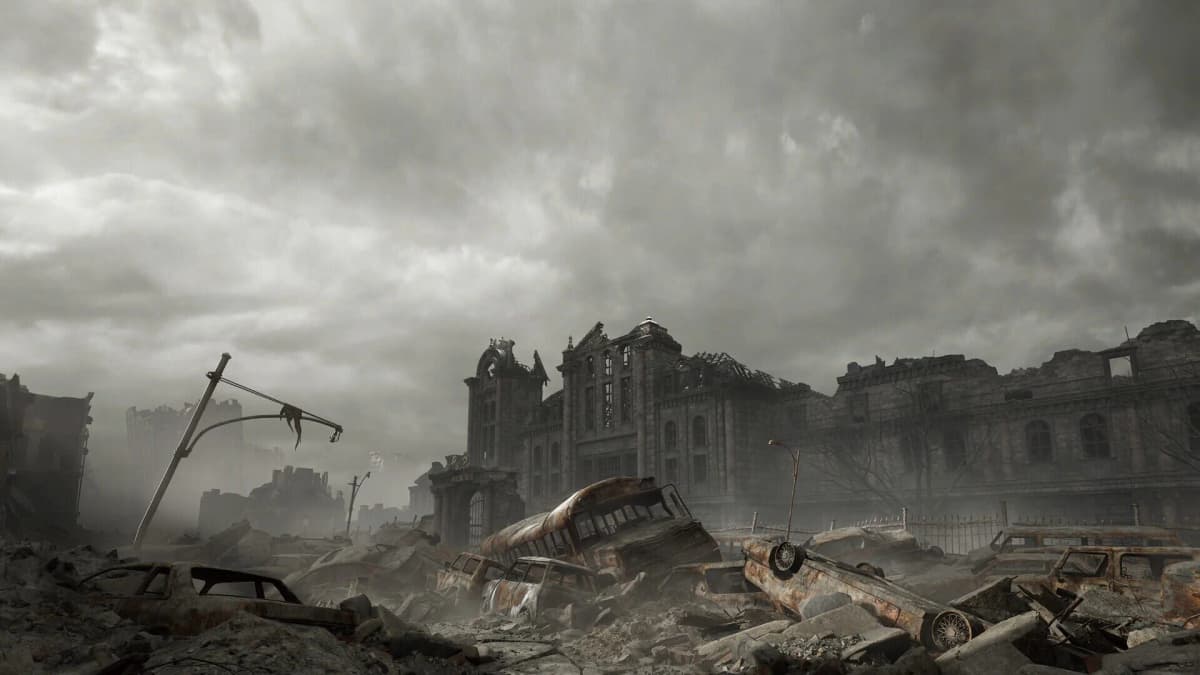
Background reporting suggests Capcom has ongoing support planned, including free updates, a Photo Mode, another mode update in May, and premium story DLC, all while the franchise heads toward its 30th anniversary. That is smart. It gives the company multiple bites at the apple without turning the game into a bloated service treadmill. In other words, post-launch support that extends relevance instead of screaming insecurity.
Still, this is where skepticism earns its keep. Fast launch sales often tell you the brand is strong. They do not automatically tell you the tail will be. If Capcom wants Requiem to become more than a launch-event monster, the DLC has to feel essential rather than contractual, and the update cadence has to keep the game in the conversation for the right reasons. Gamers know the difference between meaningful support and roadmap wallpaper.
What this says about Capcom’s priorities from here
The most important signal in all of this is not the revenue bump itself. It is what Capcom is likely to do next because of it. When a publisher sees this kind of return, it does not just celebrate. It allocates. More internal confidence, more budget protection, more room for franchise planning, and usually less appetite for chasing somebody else’s trend of the month.

That should be good news for anyone who wants Capcom to keep doing what is obviously working: big premium releases, careful remake strategy, and post-launch monetization that still resembles a normal videogame business. There is always risk, of course. Success can tempt even a disciplined publisher into overserving the brand. Anniversary campaigns can become content farms in a hurry. A premium story expansion can feel like a meaningful capstone, or it can feel like footage that got held back for later sale. That is the question nobody should let Capcom dodge.
But right now, the broader read is positive. Requiem is not just another Resident Evil hit. It is evidence that Capcom’s current operating model is still one of the smartest in the business, especially compared with rivals still trying to explain why their gigantic bets somehow need another year of restructuring.
What to Watch
- The next Capcom financial filing: that will show whether the revised outlook translates into a genuinely stronger earnings picture beyond the headline bump.
- May’s planned Requiem update: if the support roadmap has real substance, Capcom can stretch momentum into summer instead of peaking early.
- The premium story DLC reveal: this will tell us whether Capcom sees post-launch content as genuine expansion or just margin extraction with better lighting.
- Catalog sales for older Resident Evil games: if those keep climbing, Requiem is not just a hit product. It is a franchise multiplier.
TL;DR
Resident Evil Requiem has sold more than 7 million copies worldwide, and Capcom has raised its full-year outlook off the back of that performance. The bigger story is that Capcom is getting paid for a strategy the rest of the industry keeps pretending is outdated: premium, polished franchise games that sell hard at launch and lift the whole catalog. The practical takeaway is simple — watch the next financial update and the DLC rollout, because that is where we find out whether this is a huge launch or the start of another long-tail Capcom machine.
FinalBoss // Gear
Level up your setup
01Top-rated gaming headsetson Amazon→02High-refresh gaming monitorson Amazon→03Gaming chairson Amazon→04Discounted game keyson Kinguin→Affiliate links · As an Amazon Associate, FinalBoss earns from qualifying purchases.
Want to Level Up Your Gaming?
Get access to exclusive strategies, hidden tips, and pro-level insights that we don't share publicly.
Ultimate Editor's Pick Strategy Guide + Weekly Pro Tips