
Why this walkthrough matters more than another trailer
Capcom didn’t just drop another cinematic today — it posted a “Go Forth” story trailer and a sharp 13‑minute developer walkthrough that actually explains how Monster Hunter Stories 3: Twisted Reflection will play. That’s the kind of pre‑launch content I pay attention to: the trailer sets mood and stakes, but the walkthrough, led by lead gameplay designer Daisuke Wakahara, gives players a practical preview of the systems they’ll be living with when the game ships on March 13, 2026.
- Trailer + walkthrough released Feb. 22 to build momentum ahead of the March 13 launch.
- Wakahara’s 13‑minute video covers story context, character creation, advanced battle tactics, egg hunting, Habitat Restoration, and Rangers.
- Capcom confirms a roughly 30–50 hour main campaign target and a free Switch eShop trial with save carryover — a reminder this is a full JRPG, not a bite‑sized spin‑off.
Table of Contents (7)
Breaking down the announcement: what Capcom actually showed
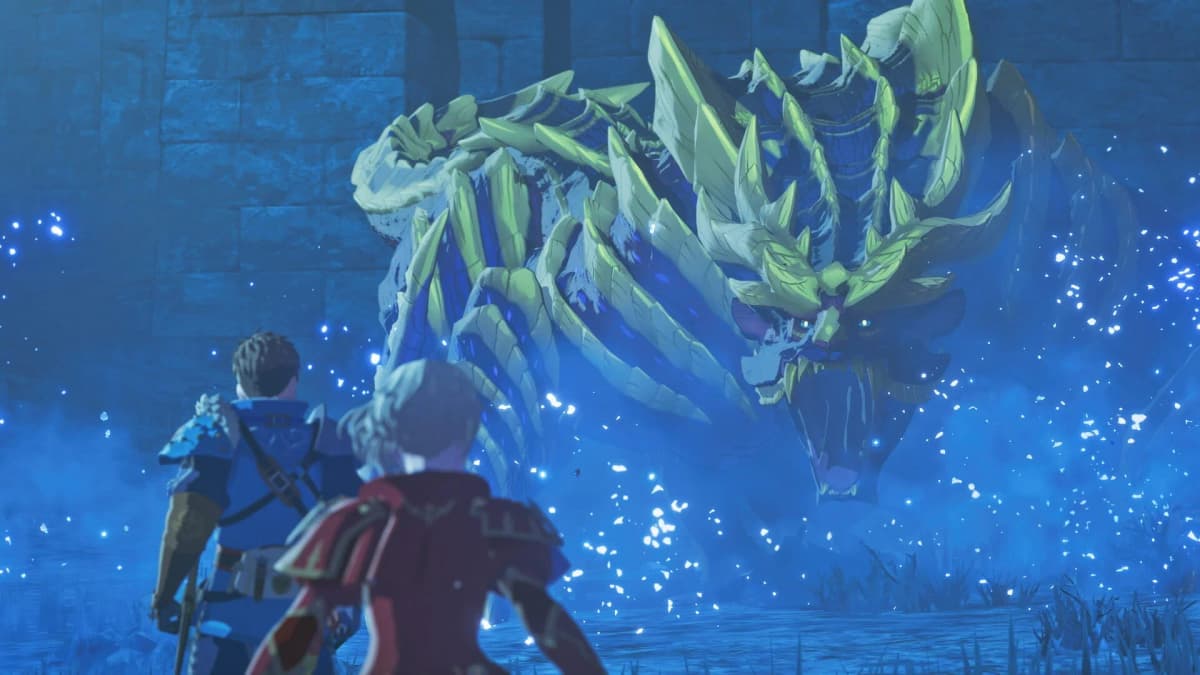
The new “Go Forth” trailer leans into narrative hooks: crystallized threats such as a Lao‑Shan Lung sighting, hints about Sepra and a Sacred Sanctum, and a central mystery the devs call the “Encroachment.” It’s cinematic and intentionally vague — enough to place players as riders who’ll both fight and investigate.
The real meat comes in Wakahara’s walkthrough. He runs through the mechanical pillars: rider creation, the rhythm of turn‑based combat (a combat system where players and enemies act in discrete turns rather than in real time), egg hunting, the new Habitat Restoration system, and the role of Rangers. Those explanations are the closest thing we’ve got so far to actual gameplay scaffolding rather than story theatre.
Why the systems they showed matter
Monster Hunter Stories has always been a JRPG branch of the Monster Hunter franchise, trading direct player action for party strategy and monster—sorry, Monstie—management. (Monstie: the series’ name for bonded monsters you raise and fight alongside.) Wakahara’s walkthrough is the clearest signal yet that the team is leaning into layered tactics: environmental systems via Habitat Restoration and ally management via Rangers.

Habitat Restoration seems positioned as an environmental meta-layer — your actions in the world could change areas, which could in turn influence which monsters and materials appear. That suggests an eco‑feedback loop rather than purely cosmetic worldbuilding. Rangers, as Wakahara frames them, sound like configurable allies or guild contacts that operate beyond your immediate Monstie roster; think AI partners or NPC helpers you assign tasks to rather than passive lore figures.
Campaign length, pacing, and what to expect
Capcom (and accompanying coverage cited by Steam News and GamesRadar+) has suggested the main story will run roughly 30–50 hours depending on how many side activities you chase. That’s squarely in JRPG territory — long enough for a proper narrative arc and optional depth but not so long as to feel like marathon grinding unless you choose to push for endgame content.
That length matters because it reframes expectations: this is not a “short spin” or a companion app. Capcom appears to be pitching Stories 3 as a fully formed JRPG that nevertheless keeps Monster Hunter’s creature collection and hunt loops at its core.
What this means for players — and where I’m skeptical
Practically speaking, the walkthrough gives hunters homework. Egg hunting returns as a central loop, now tied directly into Habitat Restoration — which could make breeding and resource management feel more consequential. Rangers may let you delegate or shore up weak encounters, and the turn‑based combat looks like it will reward positioning and team composition as much as raw power.
My skepticism: developer walkthroughs are curated. They show ideal or illustrative encounters, not the wide, messy range of conditions live players will create. The big, open questions remain: how granular is Habitat Restoration? Are Ranger choices deep and meaningful or mostly QoL helpers? Does combat really reward tactics over brute force? The free Switch trial — available on the Nintendo Switch eShop and allowing save data to carry over to the full game — is the first real testbed for those questions.
Where to look next (and why you should care)
- Watch the 13‑minute walkthrough (available in English and Japanese) for the clearest early look at systems and pacing.
- Download the free Switch eShop trial — save carryover makes your early decisions matter in the full launch build.
- Expect community breakdowns in the 24–48 hours after the trial goes live as players stress test Habitat Restoration and egg RNG.
- Watch for pre‑launch patches or trial expansions on platforms other than Switch; as of the Feb. 22 materials, the trial is only confirmed on Switch.
TL;DR / Key takeaways
Capcom’s Feb. 22 story trailer plus a 13‑minute walkthrough from Daisuke Wakahara gives the best early look yet at Monster Hunter Stories 3. Expect a 30–50 hour main story, turn‑based combat with tactical depth, and new systems like Habitat Restoration and Rangers — but judge final polish after the Switch trial and community testing.
Conclusion
The trailer sets the scene; the walkthrough — short, focused, and practical — starts to show how Stories 3 will feel under the hood. If you care about tactics, base‑building and monster management, the Switch trial is worth your time: it’s the first place we’ll learn whether these systems are genuinely deep or just window dressing. I’ll be trying the trial myself and watching how Habitat Restoration and Rangers actually change play once more players get their hands on it.
FinalBoss // Gear
Level up your setup
01Top-rated gaming headsetson Amazon→02High-refresh gaming monitorson Amazon→03Gaming chairson Amazon→04Discounted game keyson Kinguin→Affiliate links · As an Amazon Associate, FinalBoss earns from qualifying purchases.
Want to Level Up Your Gaming?
Get access to exclusive strategies, hidden tips, and pro-level insights that we don't share publicly.
Ultimate Gaming Strategy Guide + Weekly Pro Tips