
I’ve been burned before by attempts to marry deckbuilding and tower defense—enthusiastic but rarely cohesive. So when Cards and Towers landed on my radar as a true indie passion project from FamilyDevs, a father-and-sons outfit, I was intrigued, if cautious. Their pitch: a roguelike deckbuilder meets real-time defense, complete with an on-the-fly card fusion twist. After spending a solid few hours in the free demo, I can say this: while rough edges remain, there’s genuine ambition at work—ambition that might pay off if the balance team keeps pace.
Table of Contents (9)
At a Glance
- Publisher: indie.io
- Release Date: July 23, 2025
- Genres: Roguelike deckbuilder, real-time tower defense
- Platform: PC (Steam)
What Is Cards and Towers?
Cards and Towers blends two popular but very different genres. On one side, you’ve got the addictive replay loop of card-based roguelikes—hand-building, unlocks and tough choices. On the other, the twitch-driven thrill of real-time tower defense, where timing and placement can make or break your run. FamilyDevs isn’t hiding its indie roots: the graphics are serviceable, the animations functional, and the UI straightforward. But as we’ve seen with other underdog hits, polish isn’t everything—sometimes a clever idea with room to grow is more compelling.
Core Mechanics: Deploy and Decide
At its heart, Cards and Towers replaces the traditional “draw cards, play cards, end turn” routine with a live battlefield. Enemies march along predefined lanes, and your hand of cards represents towers, units, and special abilities. Deploy a cannon here, boost a unit there, and watch the chaos unfold. It demands both planning and reflexes—you’re constantly juggling where to reinforce defenses, which upgrades to buy, and when to save key cards for emergency plays.
This design prioritizes quick thinking over long-term theorycrafting. Hesitate, and creeps will overrun your line. Rush in, and you might miss a chance to combine cards or optimize coverage. It’s a tension-filled loop that can sustain hundreds of runs—if the core systems stay solid.
The Fusion System: High Stakes, High Reward
Perhaps the most intriguing feature is the in-battle card fusion system. Instead of only customizing your deck between matches, you can merge two cards of the same rarity mid-wave to create a stronger version. Merge basic towers into advanced turrets or double up on support cards for a bigger buff. Each fusion costs precious resources, forcing you to weigh immediate power boosts against long-term versatility.

This risk-and-reward twist turns every wave into a high-stakes negotiation. Burn your best cards now for a chance at a game-breaking combo, or hold back and hope your standard deck holds firm. Early impressions show genuine excitement, though the system’s success depends on careful tuning—overpowered fusions could trivialize challenges, while weak ones feel like wasted cards.
Content Volume and Balance Hurdles
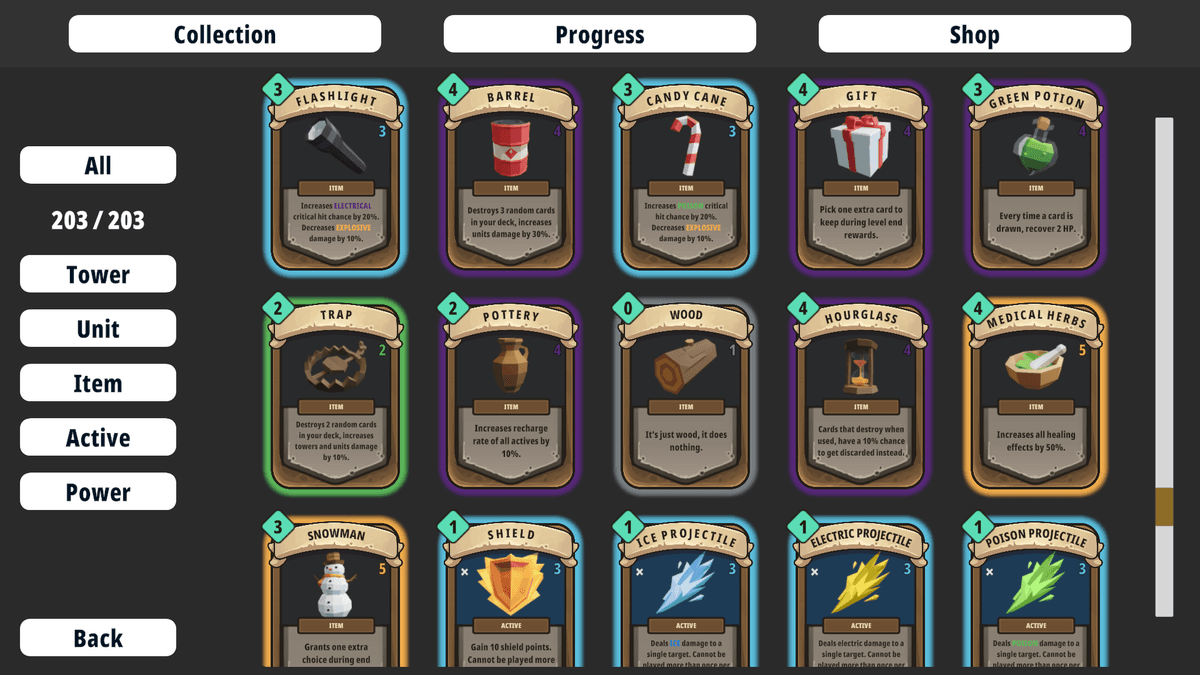
FamilyDevs claims over 200 unlockable cards across Towers, Units, Items, Actives, and Power Cards. That ambition is admirable for any team, let alone a small family studio. Variety can keep runs fresh, but too many throwaway cards risk diluting the meta. Deckbuilders often launch with a few dominant combos that overshadow everything else unless developers intervene quickly.
Procedural wave design and randomized draws aim to prevent formulaic play, but if certain fusion paths prove too strong, leaderboards will flood with identical strategies. The real test: how swiftly FamilyDevs responds to community feedback post-launch, balancing broken builds without neutering the game’s experimental spirit.
Community Engagement: Demo and Leaderboards
A free demo and built-in leaderboards are bold moves for an indie studio. Letting players test the core loop early signals confidence—and invites scrutiny. Leaderboards can drive competition, provided luck doesn’t overshadow skill. If draw randomness outweighs tactics, top scores might feel hollow.
Yet demos are rare in today’s early-access landscape. A playable slice of the full experience lets veterans share strategies and pinpoint balance issues before launch. For fans of deckbuilding and tower defense, that transparency is a breath of fresh air.
How It Compares and Why It Matters
Live card-combat experiments have had mixed success—some faltered under complexity, others never found an audience. Indie hits like Vampire Survivors and Loop Hero prove that simple concepts with clever twists can conquer the charts. Cards and Towers isn’t minimalistic; it leans on mechanical depth and mid-run evolution. If it succeeds, it could inspire more real-time deckbuilding hybrids.
On the flip side, too many moving parts risk feature creep or an identity crisis. A deckbuilder should feel like a puzzle; a tower defense should feel like a fast-paced skirmish. Marry them poorly, and you lose both. So far, FamilyDevs has kept the pillars intact, but only extended play will reveal whether the design sustains itself under ambitious pressure.
Should You Play It?
If you’re a deckbuilding enthusiast tired of static, turn-based runs or a strategy veteran craving faster decision loops, Cards and Towers is worth your time—especially since the demo is free. Don’t expect AAA polish; prepare for a rough-around-the-edges experiment that leans hard on its fusion twist and deep run-to-run evolution.
Dive into the demo, chase leaderboard glory, and share your discoveries with the community. This is the kind of indie gem that could blossom with active player input—or stumble if balance issues go unaddressed. In my playthrough, the core idea resonated enough to keep me hooked, and I’m eager to see how far FamilyDevs can refine it before launch day.
TL;DR
Cards and Towers mixes real-time tower defense with deckbuilding and a unique on-the-fly fusion system. The free demo and leaderboards invite early feedback—this could be a fresh experiment for strategy fans, provided the balance holds.
FinalBoss // Gear
Level up your setup
01Top-rated gaming headsetson Amazon→02High-refresh gaming monitorson Amazon→03Gaming chairson Amazon→04Discounted game keyson Kinguin→Affiliate links · As an Amazon Associate, FinalBoss earns from qualifying purchases.
Want to Level Up Your Gaming?
Get access to exclusive strategies, hidden tips, and pro-level insights that we don't share publicly.
Ultimate Gaming Strategy Guide + Weekly Pro Tips